
Iran warned that any U.S. attempt to intervene in the Strait of Hormuz would be treated as a violation of the April 8 ceasefire after President Trump announced "Project Freedom," a U.S. plan to escort vessels through the blockade. U.S. Central Command said the effort would deploy destroyers, more than 100 aircraft, unmanned platforms and about 15,000 service members. More than 900 commercial vessels remain in the Gulf, and both sides have issued stern warnings — including threats from an Iranian adviser to sink U.S. ships — while European allies urge a negotiated reopening to avoid further economic fallout.
Iran Says U.S. Ship Escorts Through Strait Of Hormuz Would Violate Ceasefire As Washington Readies 'Project Freedom'
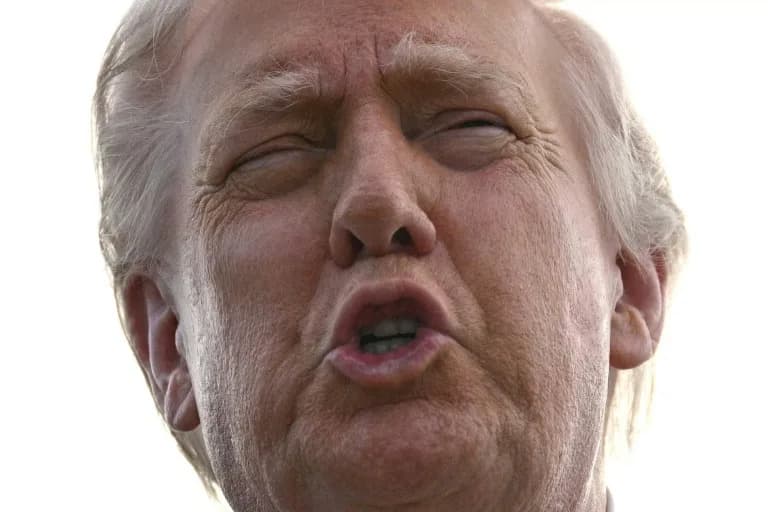
President Donald Trump says the United States will guide ships out of the blocked Strait of Hormuz (Jim WATSON)(Jim WATSON/AFP/AFP)
Iran warned Monday that any United States attempt to intervene in the Strait of Hormuz would be treated as a violation of the Mideast ceasefire, after President Donald Trump announced that the U.S. would begin escorting ships through the blocked waterway under an operation dubbed "Project Freedom."
Negotiations between Tehran and Washington have been deadlocked since a ceasefire came into effect on April 8. Iran's effective control of the strategic Strait of Hormuz following U.S. and Israeli strikes on Tehran has become a central point of contention in the stalled talks.
What Washington Says
President Trump described the maritime operation as a "humanitarian" effort intended to help crews aboard vessels caught in the blockade and reportedly running low on food and other supplies. In a Truth Social post, he wrote: "We will use best efforts to get their Ships and Crews safely out of the Strait. In all cases, they said they will not be returning until the area becomes safe for navigation," and added that operations would begin on Monday.
U.S. Central Command outlined the scale of the planned operation, saying it would deploy guided-missile destroyers, more than 100 land- and sea-based aircraft, multi-domain unmanned platforms and approximately 15,000 service members.
Tehran's Reaction And Stakes
Responding to the U.S. announcement, the head of the Iranian parliament's national security commission warned: "Any American interference in the new maritime regime of the Strait of Hormuz will be considered a violation of the ceasefire." The Islamic Revolutionary Guard Corps has also said the president must choose between what it called "an impossible operation or a bad deal" with Iran.
The blockade of the Strait of Hormuz has disrupted global flows of oil, gas and fertilizer, and the United States has responded with a counter-blockade on Iranian ports. Maritime intelligence firm AXSMarine reported that more than 900 commercial vessels were in the Gulf as of April 29, highlighting the scale of the challenge.
Diplomatic Pressure And Economic Impact
European allies have expressed concern that prolonged closure of the strait will deepen economic damage. German Foreign Minister Johann Wadephul urged Tehran to reopen the waterway and said Germany supports a negotiated solution that would include "Iran must completely and verifiably renounce nuclear weapons and immediately open the Strait of Hormuz." Oil prices remain about 50% above pre-conflict levels, largely because of supply disruptions linked to the strait's closure.
Escalatory Rhetoric
Treasury Secretary Scott Bessent described the U.S. naval blockade as part of a broader economic embargo, saying on Fox News: "We are suffocating the regime, and they are not able to pay their soldiers." In increasingly bellicose remarks, Mohsen Rezaei, a military adviser to Iran's supreme leader Ayatollah Mojtaba Khamenei, posted on X that Iranian forces would sink U.S. ships, warning of a "graveyard" of carriers and forces.
Diplomatic Window: U.S. news site Axios reported, citing briefed sources, that Iran has set a one-month deadline for negotiations to reopen the strait, dissolve the U.S. naval blockade and end the war as part of any deal.
The situation remains fragile: Washington says it intends to protect commercial navigation, while Tehran insists such actions would breach the ceasefire — raising the risk of a dangerous escalation if either side miscalculates.
Help us improve.





















