NATO’s political expansion has not always been matched by equivalent military modernisation, leaving allies more dependent on U.S. high-end capabilities — from nuclear forces to ISR and logistics. Retired Lt. Gen. Keith Kellogg warns of a widening "commitment gap," pointing to years of underinvestment in European defense. Other experts and NATO officials note rising defense spending and new capability targets agreed in June 2025, but emphasise that procurement and force improvements will take years and sustained budgets to materialise.
Examining NATO’s ‘Commitment Gap’: Why the U.S. Still Carries Much of the Alliance’s Deterrent
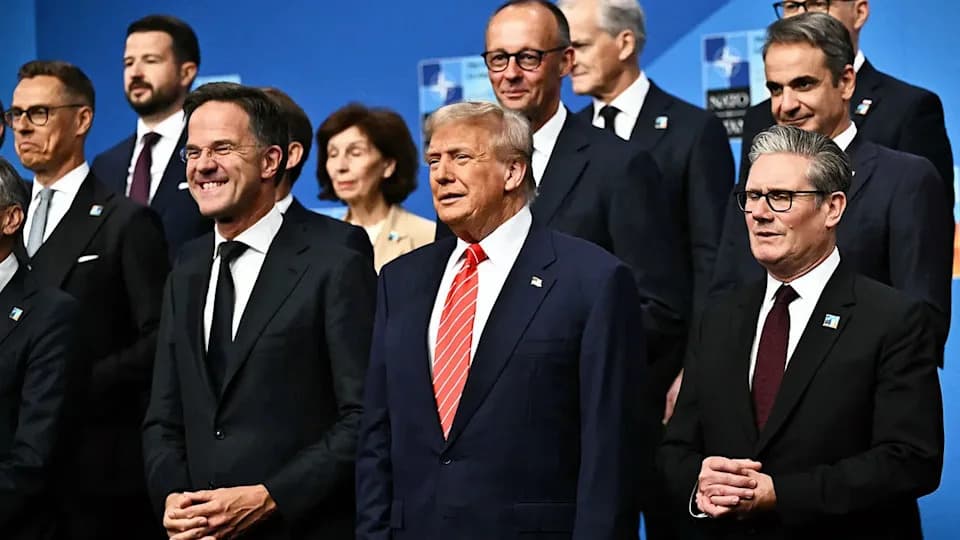
NATO Secretary-General Mark Rutte, President Donald Trump and Britain's Prime Minister Keir Starmer pose during the NATO Heads of State and Government summit in The Hague, Netherlands, on June 25, 2025.(Reuters Photos)
This is the first installment in a series exploring the strategic stresses inside NATO: despite rising allied budgets, the alliance remains heavily reliant on U.S. military capabilities to sustain deterrence and collective defense.
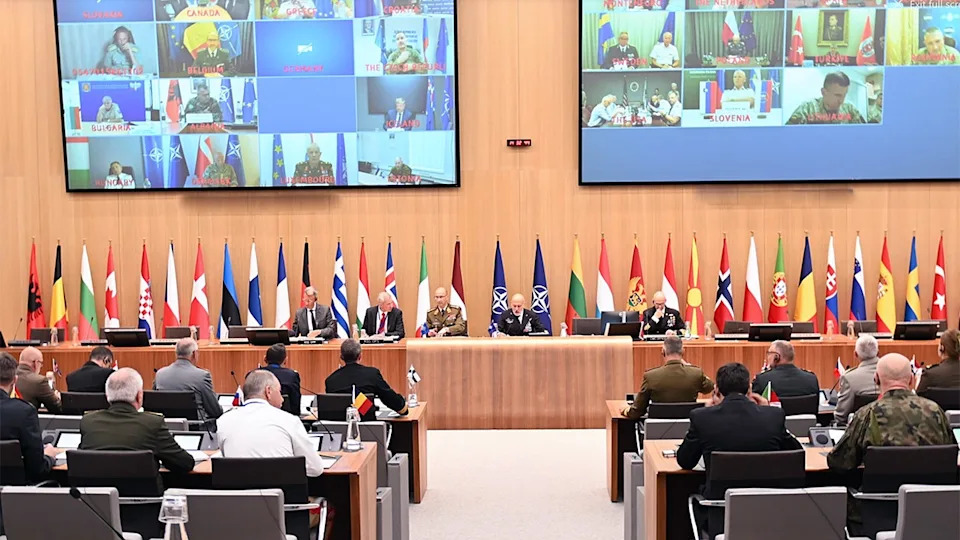
NATO chiefs of defense hold a meeting in Brussels on Aug. 20, 2025, with screens displaying allied leaders joining remotely to discuss Ukraine.
A Structural Imbalance
As President Donald Trump stepped up demands for NATO partners to boost defense spending and announced a planned withdrawal of 5,000 U.S. troops from Germany over the next six to 12 months, long-standing structural issues within the alliance resurfaced. Retired Lt. Gen. Keith Kellogg — who served as a senior national security official in Trump’s first term and later as the administration’s special envoy for Ukraine and Russia — argues the imbalance is concrete, not theoretical. "We need to develop, for lack of a better term, a new NATO — a new defensive alignment with Europe," he told Fox News Digital.
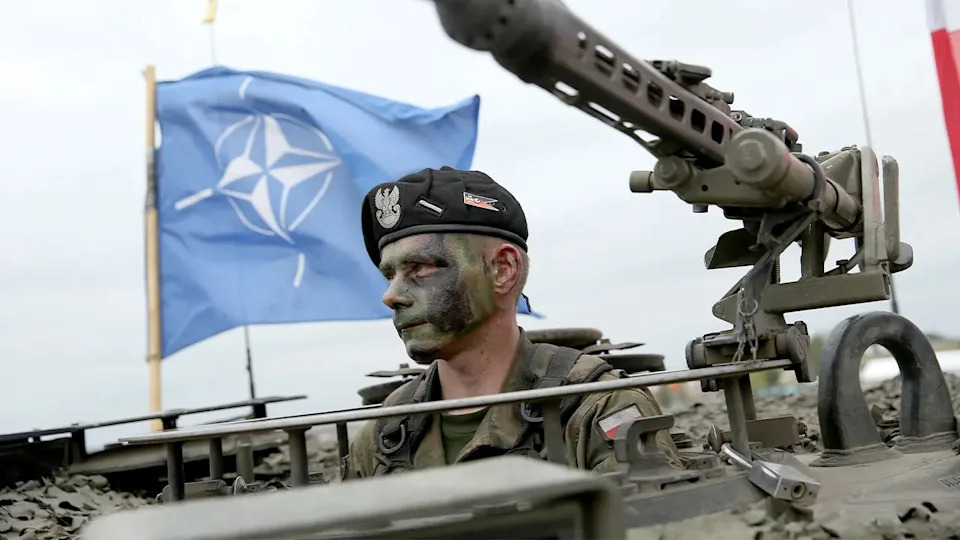
A Polish Army soldier sits in a tank as a NATO flag flies behind during the NATO Noble Jump VJTF exercises on June 18, 2015, in Zagan, Poland.
What Experts Say
Kellogg warns NATO’s political expansion has not been matched by commensurate military strengthening: "You started with 12, and you went to 32, and in the process, I think you diluted the impact." He points to years of underinvestment in European defense industries and armed forces, arguing many capabilities remain limited or aging.
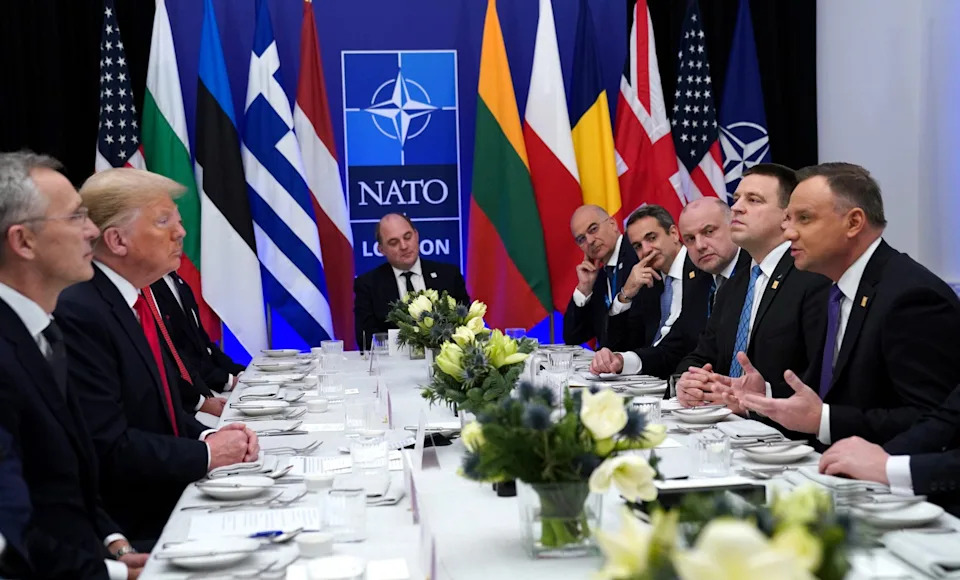
President Donald Trump and Poland's President Andrzej Duda talk during a working lunch at the NATO leaders summit in Watford, Britain, on Dec. 4, 2019.
Kellogg: "They haven't put the money into defense. Their defense industry and defense forces have atrophied."
Not everyone agrees NATO is losing relevance. John R. Deni, a research professor at the U.S. Army War College, says the alliance "has never been more relevant," highlighting NATO’s unique value as a transatlantic security architecture that underpins economic stability and provides a collective advantage over strategic competitors like Russia and China.
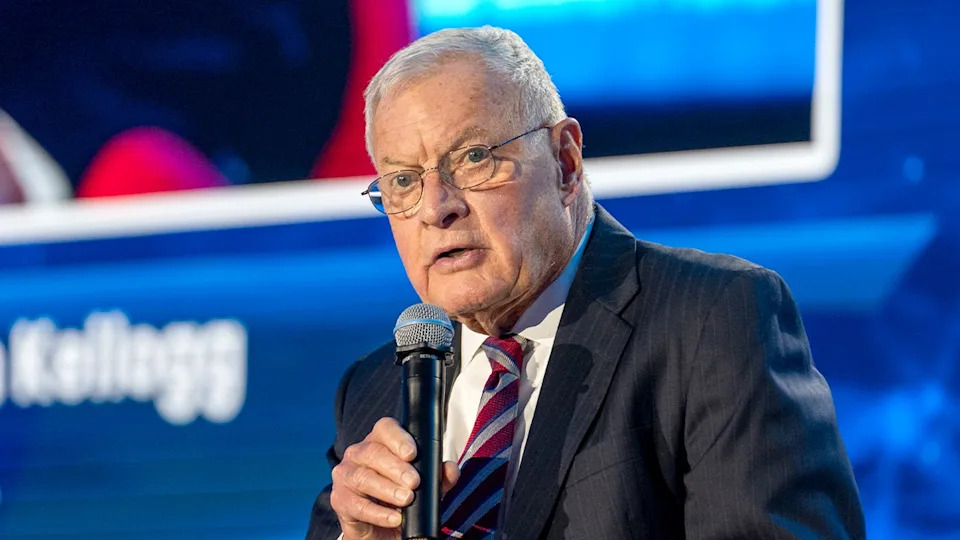
Keith Kellogg speaks during the Warsaw Security Forum on Sept. 30, 2025, in Poland.
Where U.S. Power Still Matters
Analysts point to persistent asymmetries. By roughly 2010 the United States accounted for about 65%–70% of NATO defense spending, according to Barak Seener of the Henry Jackson Society. The U.S. also supplies the bulk of NATO’s high-end capabilities — strategic nuclear forces (ICBMs, SSBN-launched systems and strategic bombers), advanced intelligence, surveillance and reconnaissance (ISR), logistics, and C2 (command and control) systems. Seener warns that without robust U.S. ISR and early-warning systems, situational awareness across the alliance would be degraded.
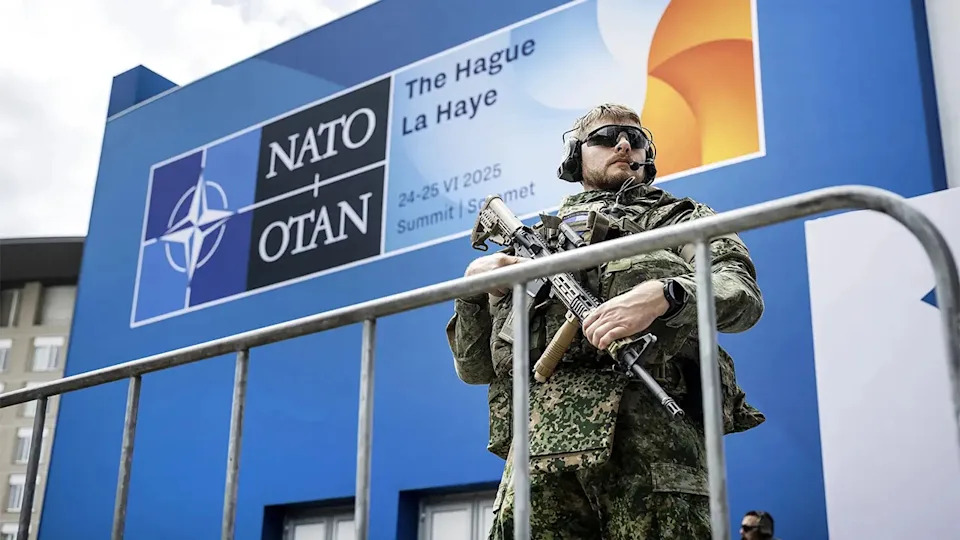
A NATO military force stands guard outside the World Forum in The Hague ahead of the two-day NATO summit on June 22, 2025.
Gaps And Progress
Kellogg highlights gaps in air and missile defense and describes many European forces as "B- or C‑level" in capability. He notes examples such as intermittent carrier availability and limited deployable brigades. Deni offers a more nuanced view: allied defense spending has risen significantly, especially after 2022, and several European states are investing in modern platforms — notably purchases of U.S. F-35 fighters by Poland, Romania, Norway and Denmark. Yet capability improvements take time to field and integrate.
Targets, Timelines And Challenges
A NATO official told Fox News Digital that the alliance "needs to move further and faster" and pointed to capability targets agreed by defense ministers in June 2025. Priorities include air and missile defense, long-range fires, logistics, and larger, more resilient land forces. While some details are classified, officials cite plans for roughly a fivefold increase in air and missile defense capacity, thousands more armored vehicles and tanks, and millions more artillery rounds — alongside a doubling of enabling capabilities such as transportation, logistics and medical support.
Allies are also increasing investments in warships, aircraft, drones, long-range missiles, and space and cyber capabilities, while working to modernize command-and-control and raise readiness. These goals are now reflected in national plans, but achieving them will require sustained budgets, industrial capacity and time.
What’s At Stake
Kellogg’s central warning is straightforward: NATO’s deterrent depends on a credible U.S. force posture. If U.S. resources are tied down elsewhere or drawn into other crises, critical enablers such as ISR and strategic logistics could be strained. "We won’t know until it happens," he warned, underscoring the risk of reactive, delayed responses.
Deni offers a cautious optimism: NATO remains a strategic asset so long as members adapt quickly enough to close capability shortfalls and sustain investment. The coming installments in this series will examine specific capability gaps, spending trends and policy options for rebalancing burden-sharing across the alliance.
Help us improve.