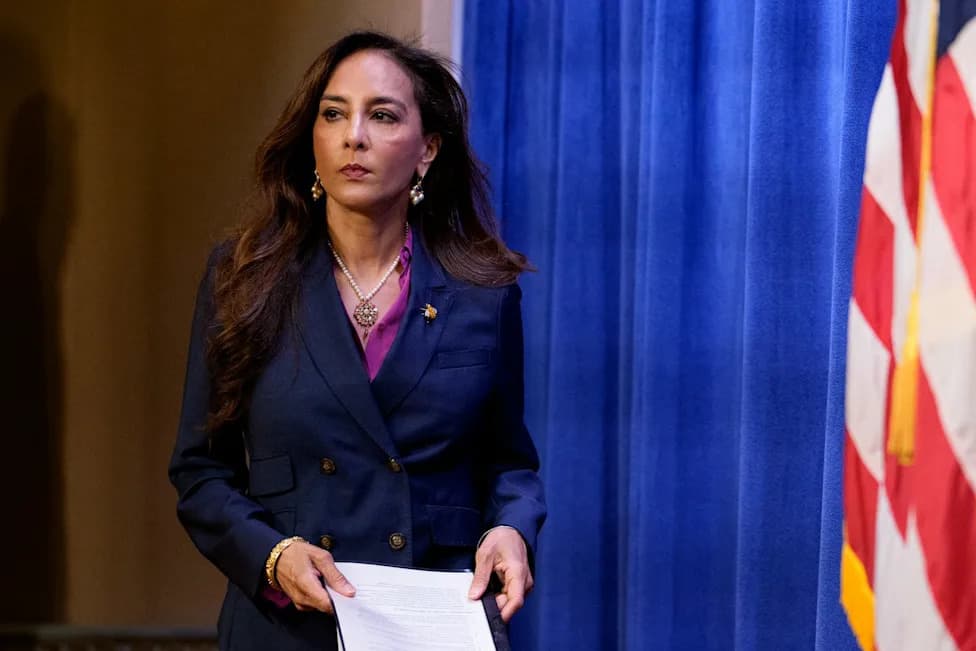
Tom Steyer, a multibillionaire and former hedge fund investor, has secured surprising backing from several progressive groups after emphasizing policies such as single-payer health care, a billionaire tax and levies on oil-company profits. His campaign — fueled by more than $120 million of personal spending and endorsements from groups like Our Revolution and Courage California — has moved him into the top tier of a crowded California governor’s race ahead of the June 2 primary. The field remains fragmented, and Democrats worry the top-two system could produce two Republicans in November.
How an Unlikely Progressive Alliance Propelled Tom Steyer Into California’s Governor Race

Billionaire activist Tom Steyer has spent more than $120 million on his gubernatorial campaign. (Eric Thayer / Los Angeles Times via Getty Images)(Eric Thayer)
When Our Revolution — the Bernie Sanders-aligned progressive group — announced its endorsement of Tom Steyer in California’s sprawling governor’s contest, the choice immediately struck many as paradoxical: a movement born from anti-billionaire politics backing a multibillionaire candidate. Yet the endorsement, and several others from progressive organizations, have helped push Steyer into the top tier of a crowded field ahead of the June 2 all-party primary.
Joseph Geevarghese, executive director of Our Revolution, acknowledged the irony. “If you had asked me a year ago, ‘Oh, are you going to endorse a billionaire for anything?’ I think that would have been highly unlikely,” he said. Still, Geevarghese added, Steyer’s policy platform and outreach to liberal groups convinced the organization to lend support: “The most energizing and ideologically aligned candidate just happens to be a billionaire.”
Why Progressives Backed Steyer
Steyer — a former Farallon Capital investor who has since positioned himself as a climate and progressive advocate — has emphasized policies that appeal to the left: support for single-payer health care, a billionaire tax likely to appear on the fall ballot, and proposals to tax oil companies’ excess profits. He founded NextGen America and ran a 2020 presidential campaign that prioritized climate issues. He has also poured more than $120 million of his own money into his gubernatorial bid.
Progressive groups such as Our Revolution and Courage California said they were persuaded both by Steyer’s policy commitments and by his engagement with grassroots organizations. Irene Kao, executive director of Courage California, said their April endorsement “came as a surprise to us,” but added that scrutiny of Steyer’s wealth and past investments has been important: voters and groups have pushed him to explain how he generated his wealth and to account for his record since then.
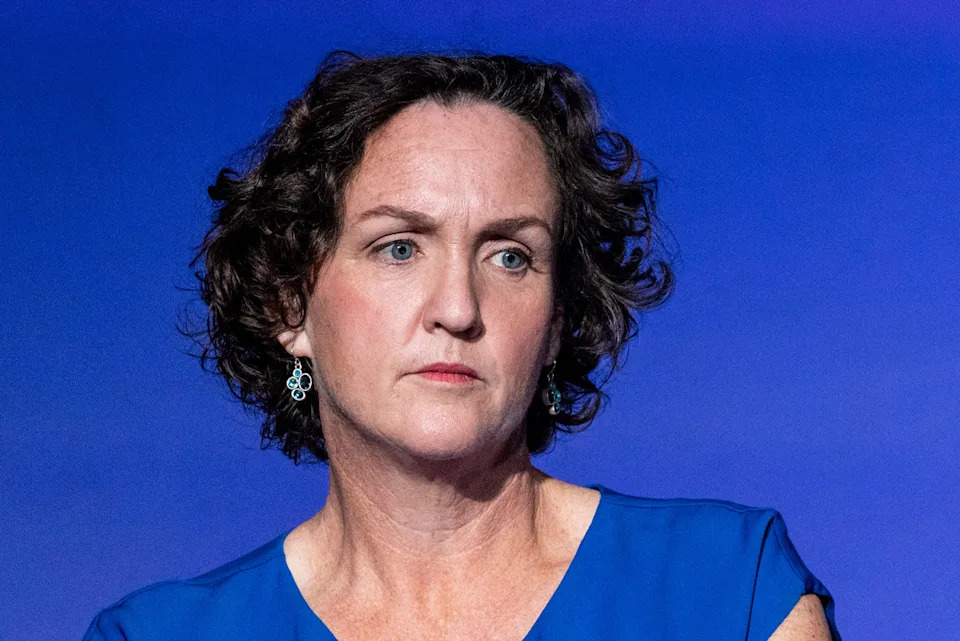
Former Rep. Katie Porter has not caught fire with progressives as many Democrats anticipated. (Etienne Laurent / AFP via Getty Images file)(Etienne Laurent)
“A lot of our work has to do with holding corporations and the wealthy accountable — so in some ways we feel like it is a good thing that voters and people are approaching Tom Steyer in this race with that sort of skepticism and holding him to account,” Kao said.
Questions About His Past
Steyer’s financial record has drawn criticism. His former fund held investments in private prisons and other controversial sectors; Steyer says the fund sold its private-prison holdings and that he left the fund in 2012. He has apologized for that investment, called it a “mistake,” and aired ads addressing the criticism.
State Rep. Alex Lee, chair of the California Legislative Progressive Caucus and an early Steyer endorser, said he initially felt “skeptical” about a billionaire candidate but ultimately concluded Steyer had taken the progressive lane among Democrats as other contenders lost ground.
How The Field Shifted
Steyer’s rise was aided by shifting dynamics in the Democratic field. Former Rep. Eric Swalwell’s exit and difficulties for other progressive candidates — most notably former Rep. Katie Porter — helped clear space. Porter, a former protege of Sen. Elizabeth Warren who built a reputation for tenacious oversight in Congress, struggled after viral clips of tense exchanges, which she later apologized for. Many progressive groups said those moments factored into their decisions to back Steyer, along with questions about Porter’s consistency on some policies.
Porter still retains high-profile supporters, including Sen. Elizabeth Warren, Rep. Robert Garcia and End Citizens United. Her campaign criticized Steyer’s past investments, with spokesperson Peter Opitz saying, “Steyer made his billions off of investments in Big Oil, Wall Street, and private prisons — the very industries that Katie’s spent her entire career holding accountable.”
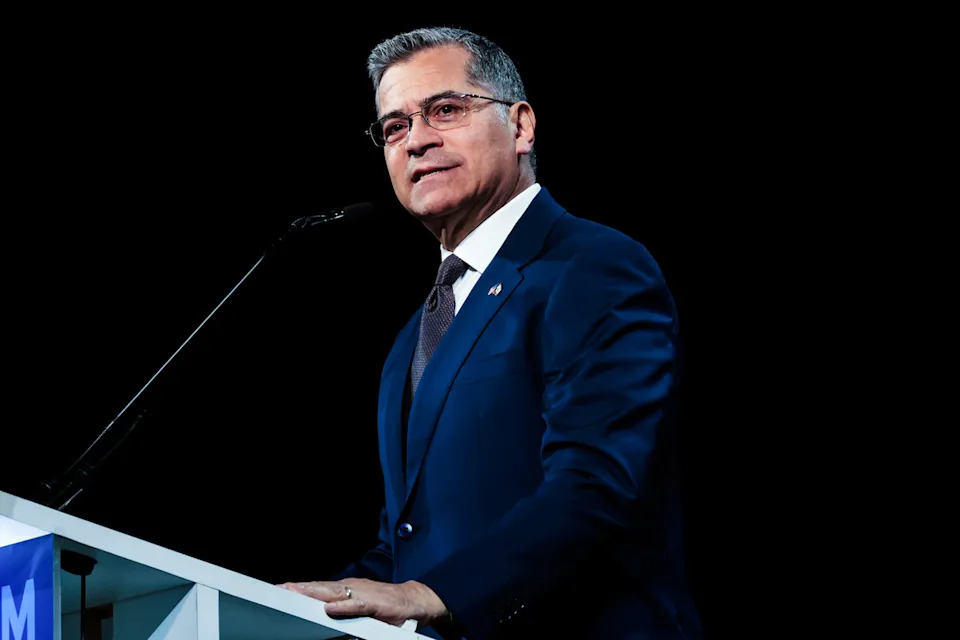
Progressives are skeptical of former Health and Human Services Secretary Xavier Becerra, who has seen a recent bump in the polls. (Yalonda M. James / San Francisco Chronicle via Getty Images file)(Yalonda M. James)
Polling And The Stakes
Recent polling shows the contest remains fragmented. A CBS News/YouGov-style survey this week put Steyer at about 15% support among registered voters, Xavier Becerra at 13% and Porter at 9%; no other Democrat exceeded 4%. The same poll showed Republican candidates — former Fox News host Steve Hilton (endorsed by former President Trump) and Riverside County Sheriff Chad Bianco — polling in the top tier as well. Because California’s top-two primary will advance the two highest vote-getters to November, Democrats remain concerned about the risk of two Republicans advancing in the general election.
Progressives have also criticized Xavier Becerra, whose standing rose after Swalwell’s exit; critics point to his handling of migrant issues while in the Biden administration, his refusal in some cases to release certain police records when he served as California’s attorney general, and his acceptance of donations from Chevron. Becerra’s campaign did not respond to requests for comment.
Steyer’s Pitch
On the debate stage and in events across the state, Steyer has cast himself as a “change agent,” urging progressives and unions to coalesce behind him. “We’re going to have to take on the corporate special interests that are driving up your costs and profiting off you,” he said in a closing statement at one recent event. “I am the person who is willing to do that. I am the change agent.”
With mail ballots going out for early voting and debates continuing, the race remains fluid. The June 2 primary — open to all parties on one ballot — will narrow the field, but how the progressive lane ultimately consolidates remains an open question.
This article was originally published on NBCNews.com and has been edited for clarity and flow.
Help us improve.