Otarmeni, a Regeneron gene therapy, received FDA accelerated approval on April 23, 2026, for severe-to-profound hearing loss caused by OTOF mutations. In pivotal data, 80% of treated patients gained measurable hearing, 42% reached whisper-level sensitivity, and 90% retained hearing after 2.5 years. The approval highlights advances in delivery (AAV vectors) and genomic tools (CRISPR-era investment), while raising issues of cost, access and ethics—especially for infant treatment and Deaf-community perspectives.
From Silence to Sound: FDA Approves Otarmeni Gene Therapy That Restores Hearing In Children

This is what gene therapy can do in 2026. | Svetlana Repnitskaya/Getty Images
In a clinical lab, a toddler born deaf sits impassively while a tone plays. Six weeks after a single injection of an experimental gene therapy, the same child turns toward the sound and responds when his grandfather calls his name. Trial footage shows other children dancing to music just weeks after treatment — powerful, human moments that helped propel a new therapy into clinical use.
On April 23, 2026, the U.S. Food and Drug Administration granted accelerated approval to Otarmeni, developed by Regeneron, for severe-to-profound hearing loss caused by mutations in the OTOF gene. The approval follows an international clinical program led by Mass Eye and Ear and Fudan University. In the pivotal study, 80% of treated patients gained measurable hearing, 42% achieved whisper-level sensitivity, and 90% of participants in the underlying multi-center trial retained hearing 2.5 years after treatment.
What The Therapy Does
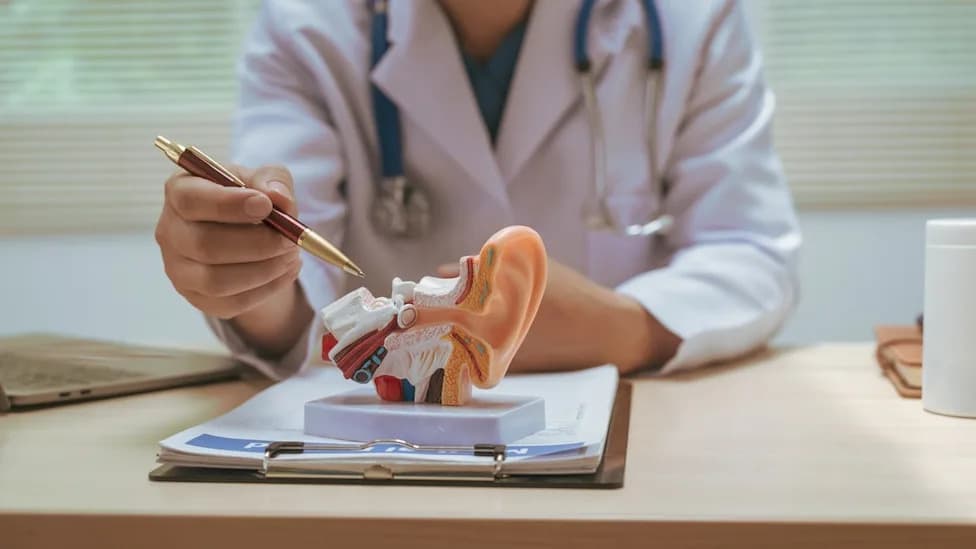
Otarmeni delivers a working copy of the OTOF gene to cells in the inner ear using an adeno-associated virus (AAV) vector. The approach is intended for infants and children with congenital, single-gene OTOF-related deafness, a condition in which the cochlea itself can be structurally intact but unable to transmit signals because of the missing or faulty protein.
Why This Matters Now
The approval is both a scientific milestone and a reminder of how the gene-therapy field has changed. After a high-profile death in 1999 (Jesse Gelsinger) halted early work, researchers shifted from highly immunogenic adenoviruses to the safer AAV delivery platforms used today. The arrival of CRISPR-based editing in 2012 further accelerated investment and innovation, even though Otarmeni itself relies on AAV-mediated gene replacement rather than gene editing.
Where Gene Therapy Stands
Otarmeni joins a growing list of gene therapies that have won regulatory clearance: Luxturna (hereditary blindness), Zolgensma (spinal muscular atrophy), Hemgenix (hemophilia B), and CRISPR-based sickle-cell therapies such as Casgevy and Lyfgenia. These approvals show the platforms can work across multiple diseases, but they also highlight a major challenge: cost and access.
List prices for recent one-time gene therapies have ranged from roughly $850,000 (Luxturna) to more than $3 million (Hemgenix). Regeneron has pledged to provide Otarmeni free in the U.S., a commitment that is feasible because the eligible OTOF population is very small—an estimated ~50 babies per year. That model does not scale to larger or more common conditions.
Ethical And Practical Limits
Beyond pricing, Otarmeni raises cultural and ethical questions. Cochlear implants and other interventions have been debated within Deaf communities for decades; many view deafness as an identity rather than solely a deficit. Gene therapy administered to infants amplifies the consent debate because children cannot decide for themselves. Families, clinicians and communities may differ on whether to pursue such treatments.
There are also biological limits: the cochlea is relatively small and accessible, and OTOF is a single-gene disorder—conditions that lend themselves to current delivery methods. Polygenic and complex brain disorders such as Alzheimer’s or many psychiatric illnesses remain far harder to target with present gene-therapy platforms.
Looking Ahead
Otarmeni demonstrates that gene therapies can move from experimental to real-world impact for certain rare, well-defined genetic conditions. The next big questions are practical: how to expand access, make pricing sustainable, and honor cultural and ethical concerns. If developers, regulators, payers and communities can address those issues, treatments that seem miraculous today could become part of routine care for future generations.
“When the parents realized their child had a response to sound they cried,”
—Dr. Yilai Shu, Eye & ENT Hospital of Fudan University, trial co-leader
Help us improve.