Scientists warn that widespread synthetic chemicals — from pesticides and PFAS to microplastics — together with climate-driven stressors, may be driving a largely hidden fertility crisis in humans and wildlife. A review led by Susanne Brander (University of Oregon) links chemical exposures and climate impacts to declines in reproductive health and biodiversity. Persistent endocrine-disrupting chemicals, historically harmful compounds like DDT, and emerging threats such as PFAS and microplastics are key concerns. The authors urge stronger international action, including a Global Plastics Treaty.
Hidden Global Fertility Crisis: Scientists Link Chemical Pollution and Climate Stress to Declines in Humans and Wildlife

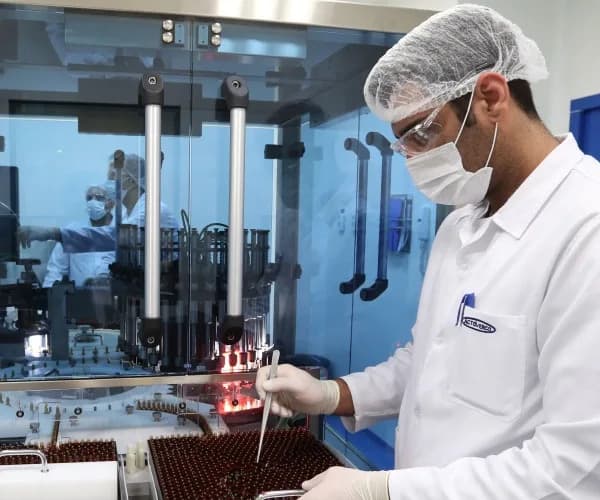
(Matthias Kulka/The Image Bank/Getty Images)
Researchers warn that the planet is now saturated with synthetic chemicals and that this contamination, together with mounting climate stress, may be driving a largely hidden fertility crisis affecting people and many animal species.
A new review led by ecotoxicologist Susanne Brander at the University of Oregon synthesizes evidence that pesticides, industrial pollutants, plastics and so-called "forever chemicals" (PFAS) can impair reproduction. The authors argue that a "diverse array of pollutants, combined with increasing pressure from worsening climate change," poses a global threat to reproductive health, biodiversity and ecosystem function.
What the Review Found
The authors examined published studies linking reproductive outcomes across groups — including marine mammals, birds, fish, invertebrates and reptiles — to chemical exposures and climate-driven stressors. Much of the evidence is associative, so it does not prove causation in every case, but the review highlights clear historical examples where synthetic chemicals caused severe reproductive harm.
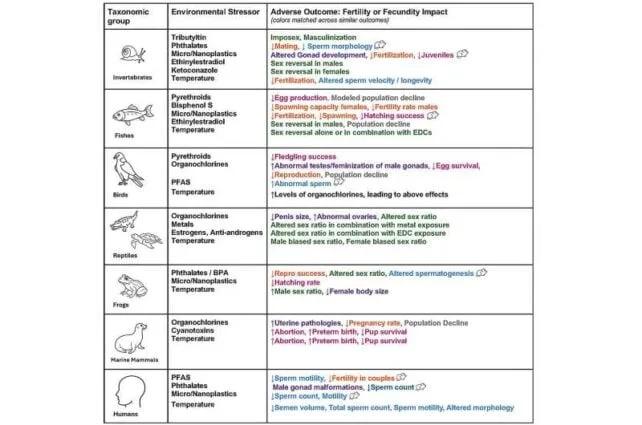
Summary of reviewed responses with relevance to fertility and/or fecundity across taxonomic groups. (Brander et al.,npj Em. Cont., 2026)
"Ecosystem and human health are deeply interconnected: warming temperatures, hypoxia, and chemical exposures interact to exacerbate reproductive stress," the team writes, noting similar trends in human and wildlife fertility that reflect widespread involuntary exposure to poorly vetted chemicals.
Key Examples and Concerns
Today, researchers have identified more than 1,000 synthetic compounds that can mimic or block natural hormones. Estimates suggest fewer than 1% of all synthetic chemicals have undergone adequate safety testing, leaving many substances unassessed for effects on reproduction and long-term health.
Well-known historical examples include DDT, which thinned eggshells and helped trigger dramatic declines in some bird populations. After international bans, affected populations recovered, illustrating that regulatory action can reverse harm. More recently, PFAS (per- and polyfluoroalkyl substances) have been associated in multiple studies with reduced fertility and other adverse reproductive outcomes in humans and wildlife. PFAS are persistent, bioaccumulative and can disrupt endocrine (hormone) systems.
Microplastics and nanoplastics are an emerging worry: early studies have detected them in reproductive tissues, but their direct effects on sperm, eggs and developing embryos remain poorly understood. Because plastics and many chemical contaminants are globally widespread—from deep ocean trenches to high mountain ranges—exposure is effectively ubiquitous.

Subscribe to ScienceAlert's free fact-checked newsletter
Why This Is Hard To Fix
Several factors make the problem difficult to address: many chemicals persist in the environment, some act at very low doses, and mixtures of pollutants can produce unexpected or amplified effects. Climate stressors such as warming, hypoxia and habitat loss can interact with chemical exposures, magnifying impacts on reproduction and population resilience.
The review calls for stronger international action, including measures to reduce plastic pollution and expand safety testing and regulation of chemicals. Negotiations toward a Global Plastics Treaty are highlighted as a critical policy response to limit the spread of plastic-associated contaminants and other stressors.
Study source: npj Emerging Contaminants.
Help us improve.