Próspera is a private, semi-autonomous enclave on Roatán, Honduras, run by the U.S. firm Honduras Próspera Inc. It hosts roughly 200 residents and about 400 companies and has marketed fast permits, low taxes and regulatory freedom that attracted around $200 million in capital. The zone has become a hub for biohackers and biotech startups offering controversial gene-therapy trials (priced around $25,000) and self-experimentation, raising ethical and legal alarms. After Honduras repealed the ZEDE law in 2022, Próspera’s operators filed billion-dollar arbitration claims at the World Bank; the project’s legal and political future remains uncertain.
Inside Próspera: The Libertarian Private City Testing Gene Therapy, Biohacking and New Models of Governance
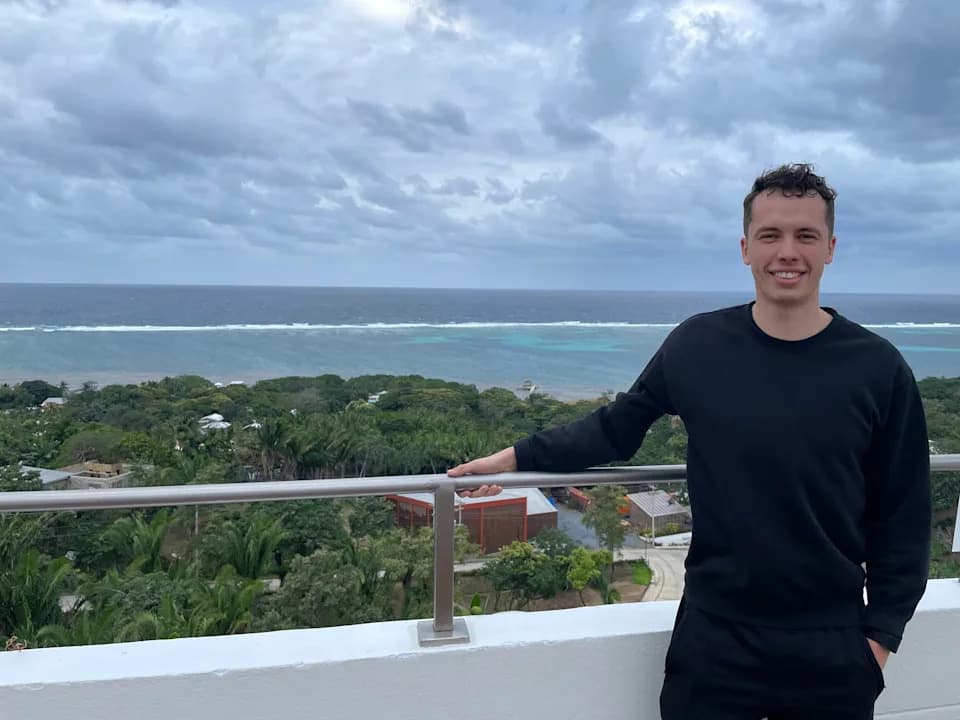
Lonis Hamaili left Silicon Valley for HondurasAndreas Macho
When Lonis Hamaili steps out of the elevator on the 10th floor of Duna Tower, the view opens onto a palm-lined avenue, a blue sea fading to the horizon and a guarded barrier manned by an armed guard. From the roof terrace of the mixed residential-and-office tower, the handful of buildings that make up Próspera sit along a single paved road. For the 28-year-old vice president for growth at Honduras Próspera Inc., access is everything: beyond that gate, Honduran law ends and Próspera’s rules take over.
What Próspera Is
Próspera is a private, semi-autonomous enclave on the Honduran island of Roatán operated by the U.S. company Honduras Próspera Inc. The project grew out of Honduras’s 2013 ZEDE (Zone for Employment and Economic Development) framework, which granted special regulatory freedom to such zones. At its core Próspera combines residential towers, coworking space, restaurants, a robot-run factory and a cluster of startups—about 200 residents and roughly 400 companies, by the operator's estimate.
Governance, Taxes and Investment
Próspera’s governance is run by the operator together with a technical secretary and a city council, with voting influenced by landholdings. The project has marketed fast permitting, low taxes and a business-friendly regulatory environment; the operators claim the community has attracted roughly $200 million in capital. Supporters include high-profile libertarian and tech backers who have provided early theoretical and financial support to the broader movement.
Biohacking, Gene Therapy And The Promise Of ‘Make Death Optional’
Próspera has become a magnet for biotech startups and biohackers who are drawn to lighter oversight. Residents include self-experimenters like Richard Lee, a biohacker who has implanted payment chips and magnetic implants in his body. Several startups based in or linked to Próspera have started clinical activities that would be tightly regulated or prohibited elsewhere, including experimental gene-therapy treatments aimed at longevity or physical enhancement.
Some of these procedures are being offered to wealthy medical tourists and volunteers at prices cited around $25,000 per injection. Proponents stress informed consent and voluntary participation; critics warn of severe risks—immune reactions, organ failure and death—and of testing that may lack rigorous scientific oversight.
Supporters, Critics And The Global Trend
The movement behind private cities and seasteading is influenced by thinkers such as Peter Thiel and Balaji Srinivasan and attracts investors, crypto entrepreneurs and libertarians. Projects worldwide—floating platforms off Thailand and the Philippines, CryptoCity in Venezuela, Liberstad in Norway and micro-state claims like Liberland—reflect a range of strategies from negotiation with host states to unilateral occupation.
Critics, including scholars like Sarah Moser, label Próspera a neo-colonial, profit-driven initiative enabled by corruption and weak-state bargains. Concerns focus on legal fragility, erosion of public oversight, unequal access to services, and ethical risks posed by unregulated biotech and financial activities.
Legal Status And Political Risk
In 2022 Honduras’s Congress repealed the ZEDE enabling law, and Próspera’s ZEDE status was declared unlawful under Honduran law. The operators have filed arbitration claims at the World Bank seeking billions in damages; the dispute remains unresolved. Political changes in Honduras—including a new president seen as sympathetic to private-city projects—have introduced both new hope and further uncertainty for Próspera’s future.
On-The-Ground Reality
Life in Próspera combines fast-moving entrepreneurship with hard limits: unreliable power supplied by a single gas-fired plant on Roatán, expensive and intermittent internet (residents often rely on Starlink), and the logistical challenges of island infrastructure. Some developers praise two-week approvals for building projects; others complain of delayed starts, rains and basic utility constraints.
Why Próspera Matters
Próspera is a real-world laboratory for debates about governance, regulation and technological risk. It crystallizes tensions between experimentation and public protection: proponents call it a streamlined sandbox for innovation and choice; opponents see it as an enclave that could shield dangerous or unethical practices from democratic oversight. The outcome of its legal battles and the trajectory of its biotech experiments will likely inform how regulators and societies respond to similar projects worldwide.
This piece synthesizes reporting originally published by Welt and republished on Business Insider via the Axel Springer Global Reporters Network.
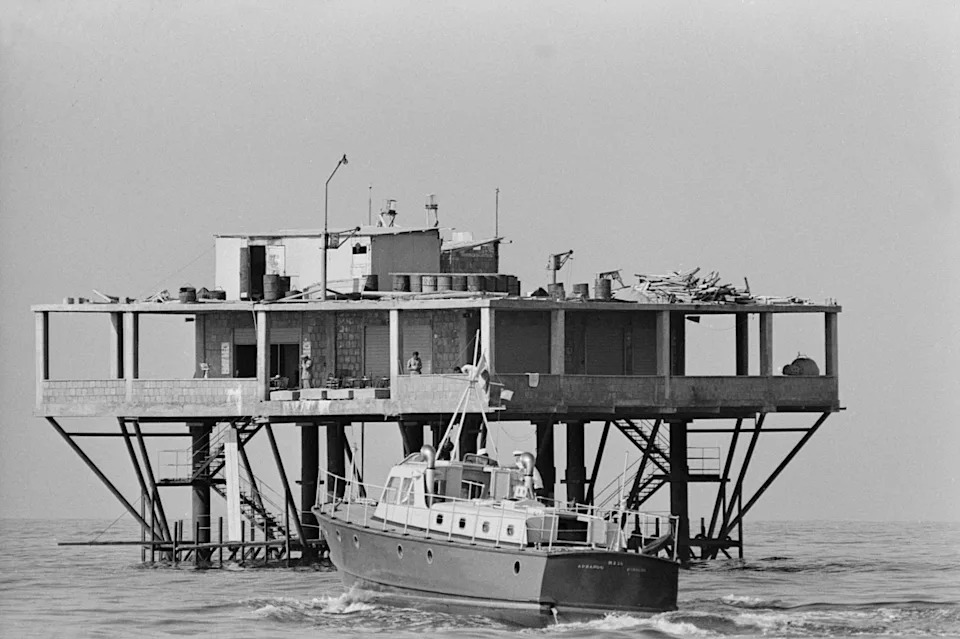
A steel and concrete platform rose off the coast of Rimini in Giorgio Rosa's Rose Island.Giuseppe Pino\Mondadori Portfolio\Mondadori via Getty Images
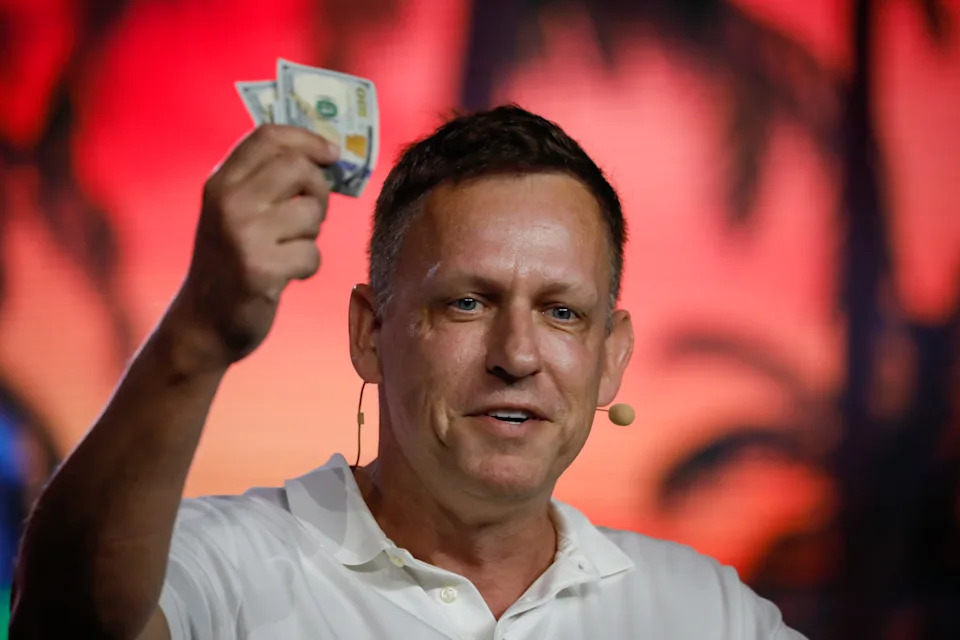
Billionaire Peter Thiel has backed private cities.Bloomberg/Getty Images
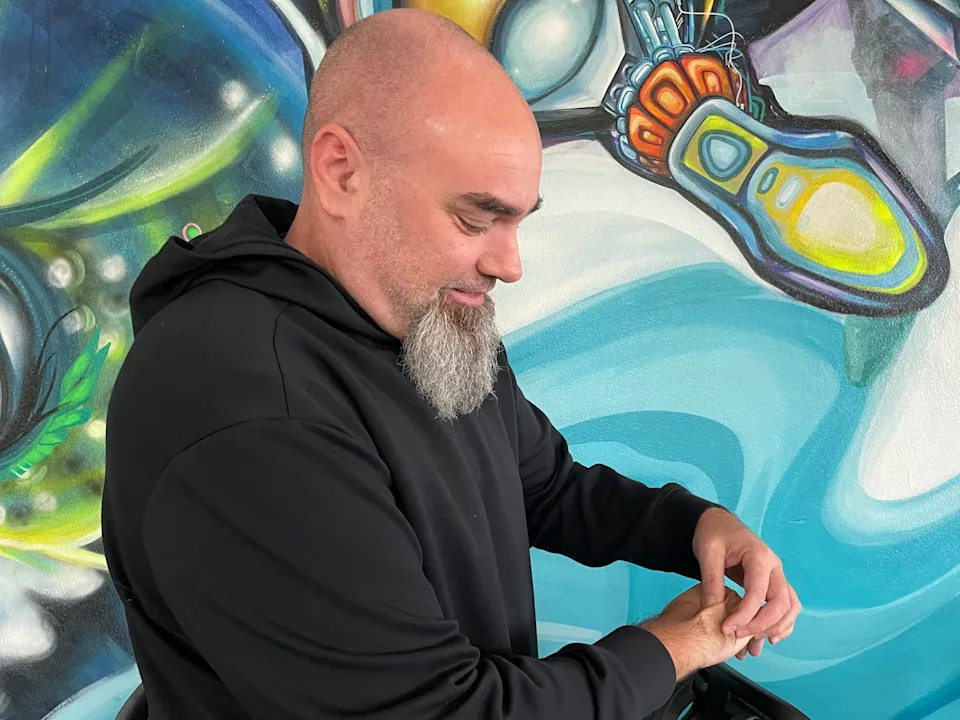
Richard Lee shows off the credit card chip implanted in his hand.Andreas Macho
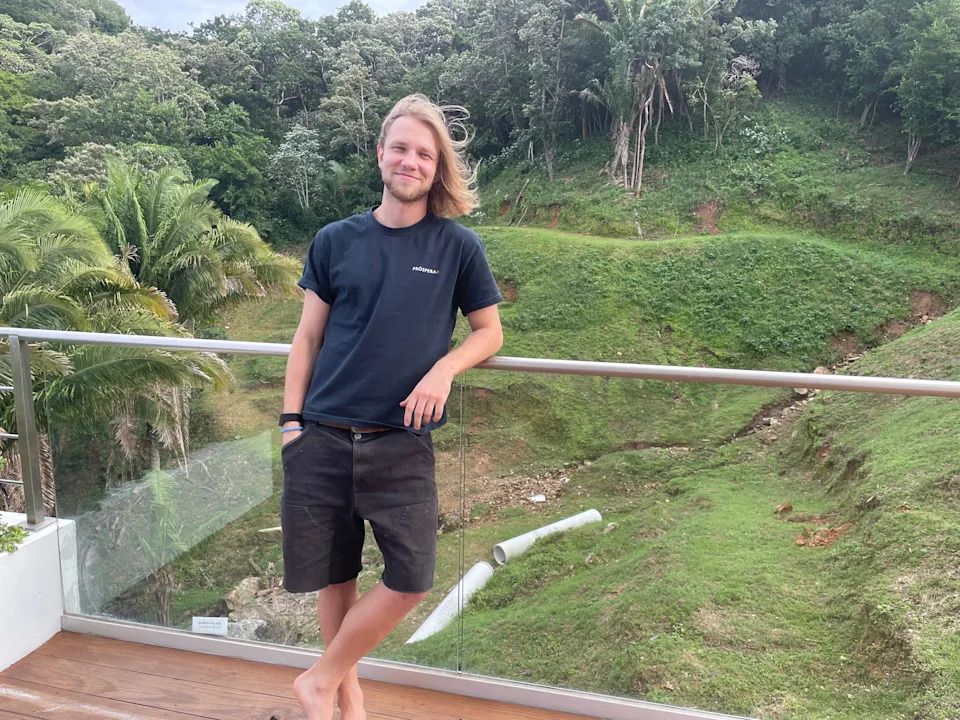
Ivan Syrtsov says he's raised more than $5 million to build Darien Village.Andreas Macho
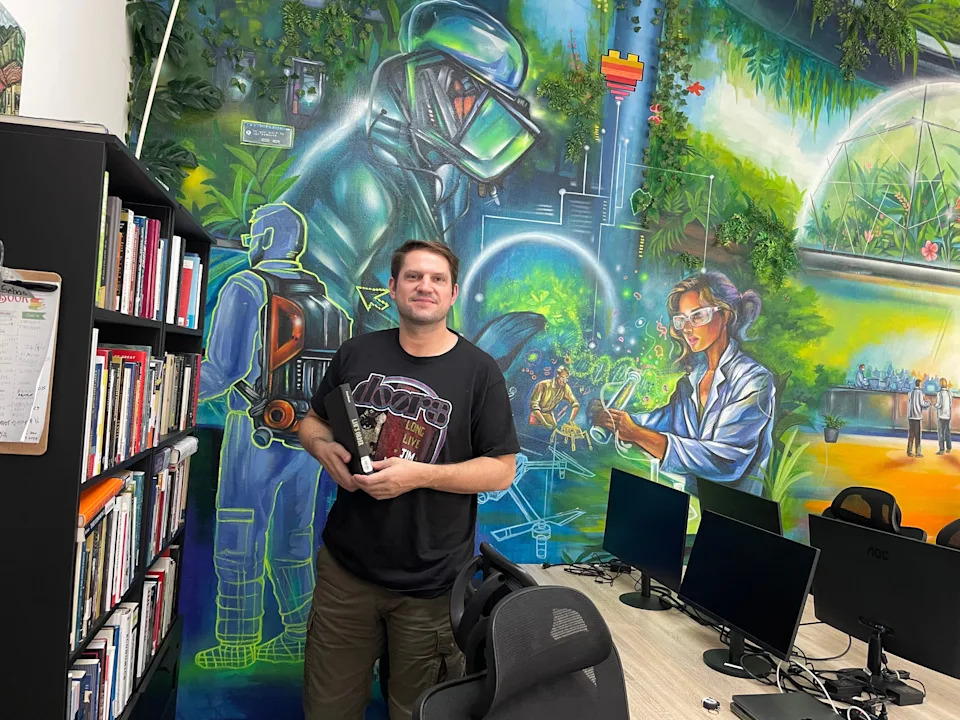
Niklas Anzinger has a venture capital fund that invests in companies in highly regulated industries that are headquartered Próspera.Andreas Macho
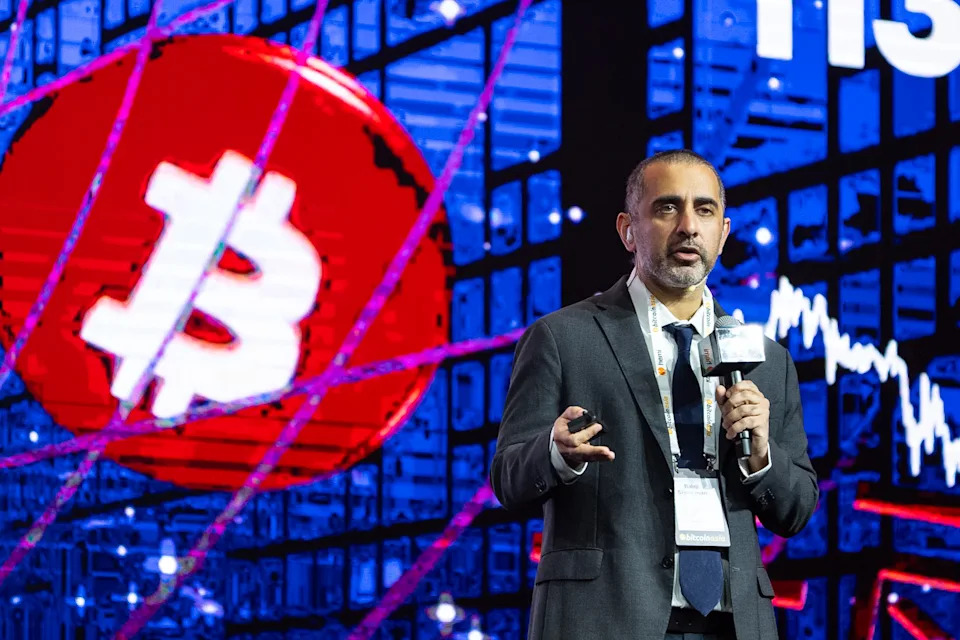
Balaji Srinivasan, founder and chief executive of Network School.Bloomberg/Getty Images

Patri Friedman, grandson of economist Milton Friedman, founded the Seasteading Institute.Jonathan Wong/South China Morning Post via Getty Images
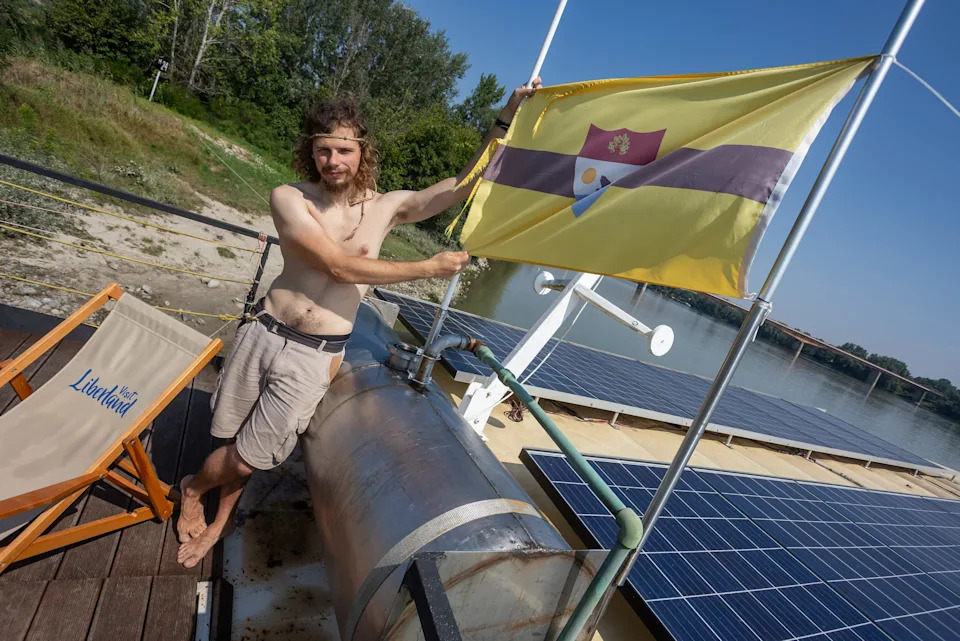
A resident holds Liberland's flag in 2023.Davor Javorovic/PIXSELL/DeFodi Images News/Getty Images
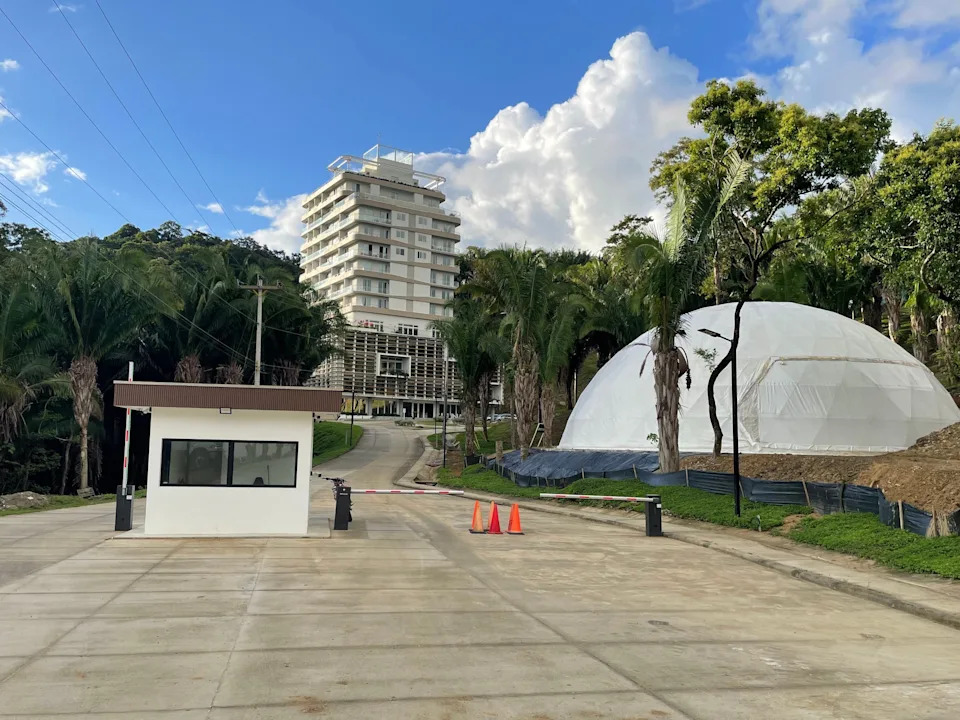
A futuristic dome and Duna Tower loom over the entrance to Próspera.Andreas Macho

Longevity guru Bryan Johnson underwent gene therapy on Próspera.Business Insider
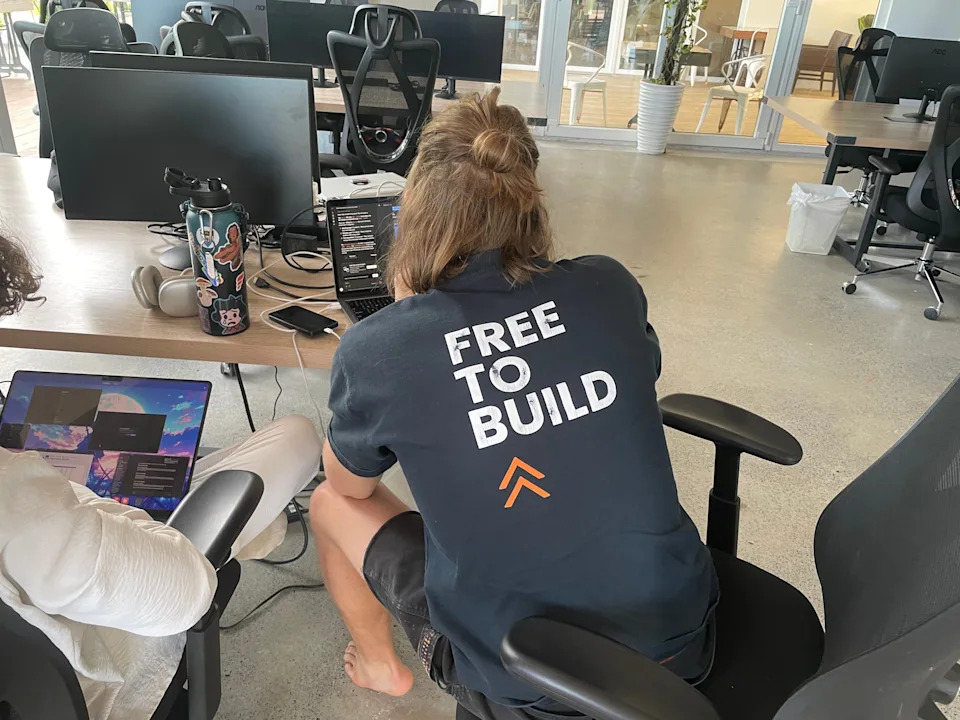
Lonis Hamaili in the coworking space at Duna TowerAndreas Macho
Help us improve.