Summary: Lawmakers in multiple states and cities are proposing limits on self‑checkout in grocery stores, citing rising shoplifting. The bills’ wording and the prominence of labor‑union supporters suggest a secondary aim: increasing the number of staffed (often unionized) positions. Evidence links self‑checkout to higher shrink, but retailers have also curtailed kiosks or adopted AI and smart video to reduce theft. The core dispute: should government mandate staffing levels or let businesses and technology address the problem?
Self‑Checkout Under Fire Nationwide: Is Theft Really the Motive?
Self-Checkout Is Under Fire Across the Country. Is Theft Really the Reason?
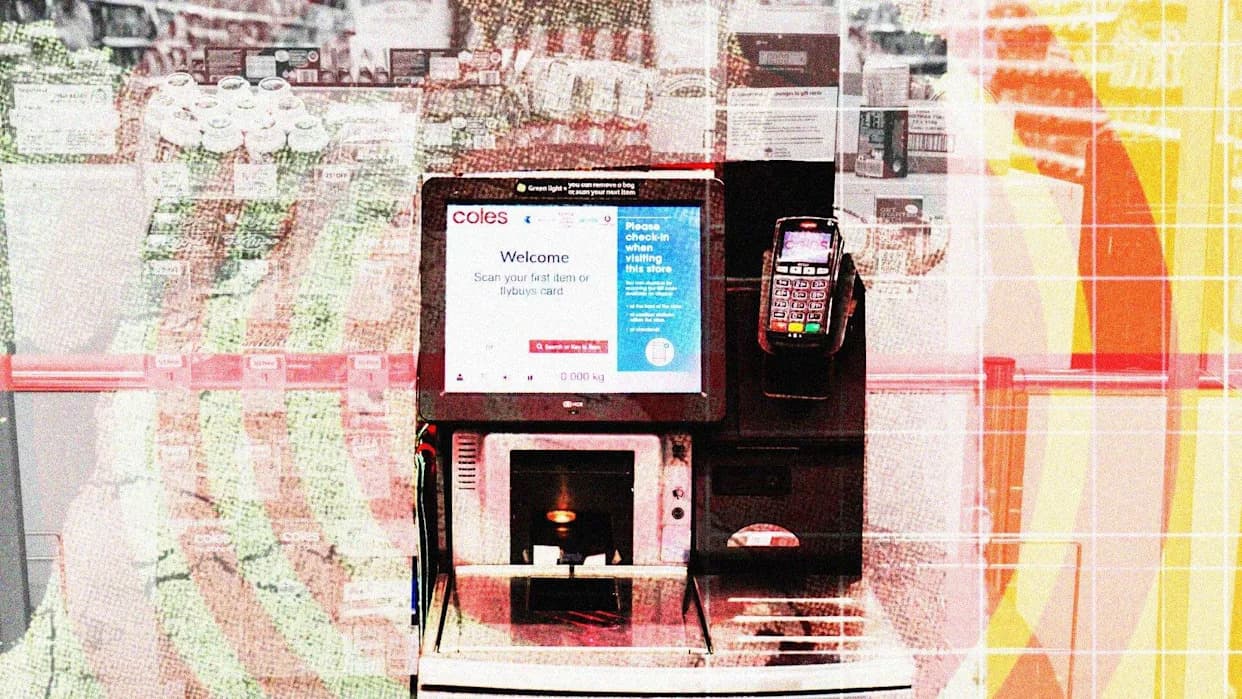
Self‑checkout machines have become a flashpoint in statehouses and city halls across the United States. Lawmakers in multiple jurisdictions are proposing limits on automated checkout lanes, framing them as tools to curb retail theft. A closer look at bill language and the coalition backing these measures suggests another clear objective: maintaining or expanding staffed, often unionized, grocery jobs.
Where This Is Happening
Reports show that at least six states have considered restrictions on self‑checkout, and several local governments have already acted. Two California cities enforce limits, and New York City has weighed similar restrictions. The proposals span a wide political spectrum, from Connecticut to Ohio.
What The Bills Would Do
Many proposals share common elements designed to increase on‑site staffing. For example, Connecticut’s draft would require one employee for every two self‑checkout machines, mandate one staffed manual checkout for every two automated lanes, cap self‑checkout lanes at eight per store, and bar employees supervising self‑checkout from performing other duties that could interfere with oversight. A prior version of California’s bill required an "impact assessment" before deploying technology that "significantly affects the essential job functions" of employees or "eliminates jobs or functions."
Who's Pushing These Rules?
Labor unions figure prominently among the bills’ supporters. In Connecticut, legislative testimony favoring limits came from affiliates of the AFL‑CIO, SEIU, and the United Food and Commercial Workers (UFCW). Coverage of the California proposals similarly found labor unions as leading backers. That alignment has prompted critics to argue the primary aim is to preserve or create unionized positions in grocery retail.
Evidence On Theft And Responses By Retailers
There is research suggesting self‑checkout can be associated with higher shrink: one frequently cited study found inventory shrink was substantially greater at self‑checkout than at attended registers. A LendingTree survey also reported that a notable share of self‑checkout users admitted to intentionally or inadvertently taking items without scanning them. At the same time, retailers have strong financial incentives to reduce theft and have responded independently—some stores and chains (including locations of Walmart and Target) have reduced or removed self‑checkout, and others (such as Five Below and Dollar General) have limited automated lanes.
Technology Offers Alternatives
Rather than legislative mandates, many grocers are deploying technology solutions: improved camera systems, AI‑driven analytics, and smarter point‑of‑sale controls aimed at reducing loss at self‑checkout lanes while preserving convenience for customers.
Why This Matters
On one hand, the bills are presented as crime‑prevention measures. On the other, their staffing requirements would effectively force retailers to increase payrolls and the number of clerks on duty—changes that tend to favor unionization in a sector already more unionized than other retail categories. The debate raises a broader question: should governments mandate operational staffing levels to address theft, or should retailers be allowed to adapt through market choices and technology?
Sources: USA Today, CalMatters, LendingTree, Reason.com.
Help us improve.