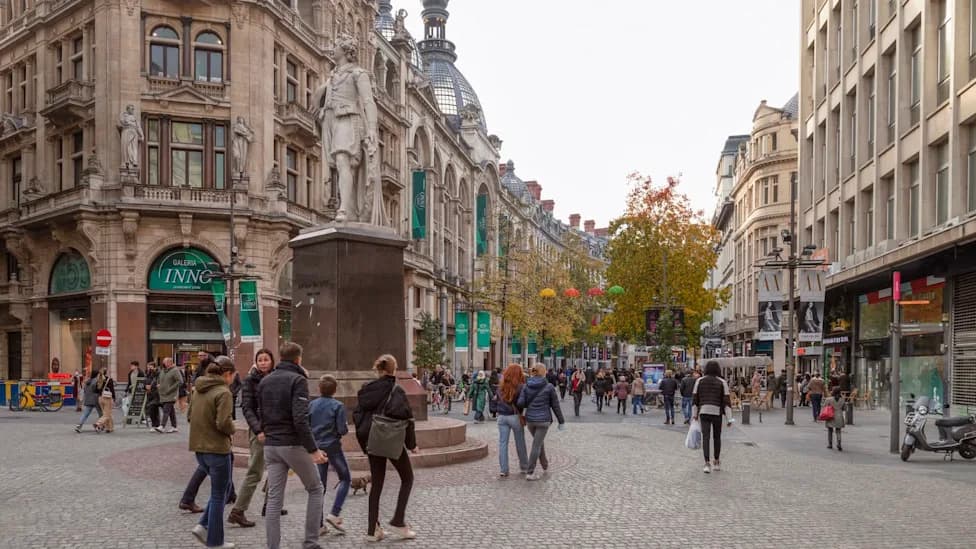
Online order fulfillment is changing how brick-and-mortar stores operate, shifting staff from sales to picking and packing and turning storefronts into distributed fulfillment centers. E-commerce reached 17.1% of U.S. retail sales in Q2 2026 and is growing faster than in-person retail. Research shows lost foot traffic can depress nearby business activity, reduce property values, and erode social infrastructure. Policymakers can counteract these effects with zoning, pedestrian investments, and protections for street-level retail.
How Online Fulfillment Is Quietly Hollowing Out Retail Neighborhoods — And Why It Matters
How online fulfillment quietly hollows out retail neighborhoods
On a typical weekday in Brooklyn, shoppers who walk into a Target may pass employees who will never ring up a sale, point out a product, or even make eye contact. Increasingly, those staff are assembling online orders instead of helping in-person customers, transforming storefronts into fulfillment hubs.
From Sales Floor to Back Room
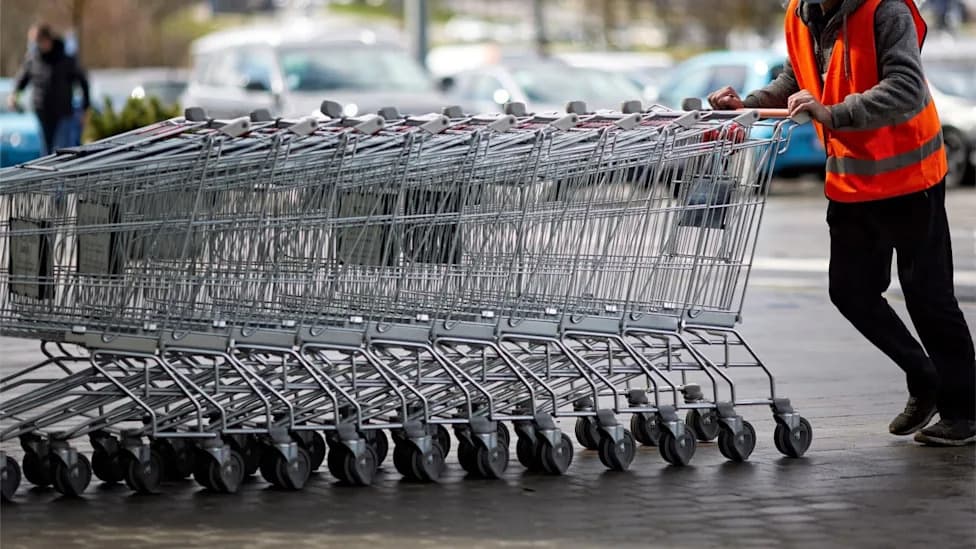
In many large stores, roughly half the workforce now spends shifts picking items off shelves and packing them for curbside pickup or delivery. What was designed as a place to serve people in person is being repurposed to serve parcels that leave by van or bike.
The Numbers Behind the Shift
Target reportedly fulfills about 80% of its online orders from its own stores. According to the US Census Bureau, e-commerce accounted for 17.1% of total U.S. retail sales in Q2 2026, with online sales up 12.2% year over year while overall retail grew 6.7%. In short, online purchases are growing at nearly twice the pace of retail overall.
Neighborhood Consequences
The risk is that as stores orient to outbound orders, foot traffic that once sustained neighboring businesses will decline. A 2024 study, "The Death of Retail and Neighborhood Amenities," found that after big-box anchors such as Circuit City, Mervyn's, and Borders closed, nearby establishments and employment fell 8–10% within a tenth of a mile. Those effects lasted at least eight years and led to home-price declines of up to about 3% in the most affected centers.
New York City Comptroller Mark Levine's survey found that a storefront within one block of a vacant one is 30% more likely to stay empty, a pattern that erodes neighborhood character and local economies.
Social Infrastructure at Risk
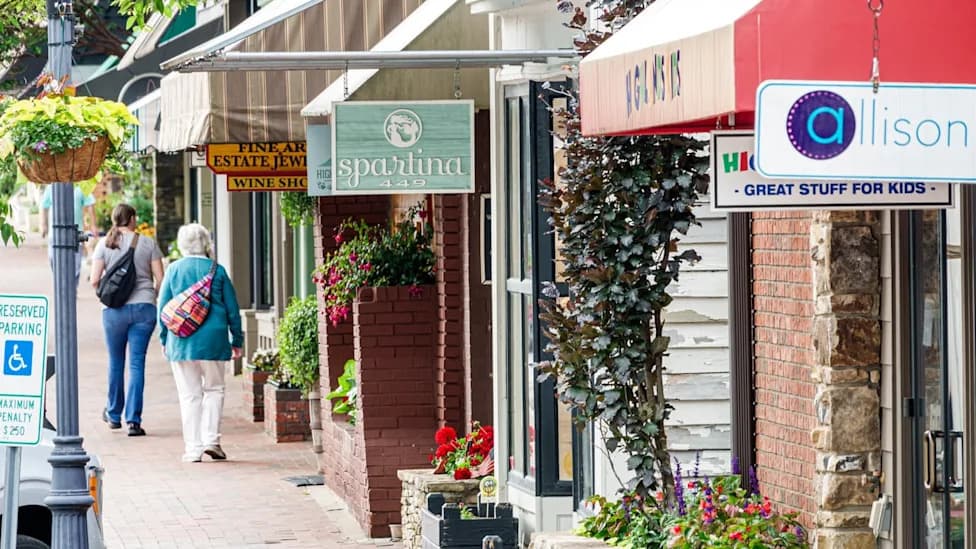
The Urban Land Institute emphasizes that street-level retail is more than commerce: it is social infrastructure. Cafes, barber shops, and salons are places where neighbors meet and bonds form. Those ties have life-and-death consequences: research on Chicago's 1995 heat wave showed that neighborhoods with strong social connections had lower death rates because residents checked on vulnerable people.
Dark Stores and Street Impact
Paris provides a stark example. Research on quick-commerce "dark stores" found a single site could generate 150–300 vehicle movements per day, with a bike or moped arriving or departing roughly every three minutes behind blanked facades. In March 2023 France's Council of State ruled that dark stores are warehouses, a use Paris bars from ground-floor retail space under its urban plan.
Where Policy and Design Can Help
Walkable, mixed-use districts face the greatest risk because their economic and social life depends on passersby. Conversely, pedestrian investments can revive streets: after expanding pedestrian space around Union Square, New York City saw local vacancies fall 49% while borough-wide vacancies rose 5% over the same period. Placer.ai also reported a modest national rebound in visits in 2024, with overall physical retail visits up 0.4% year over year and discount stores up 2.8%.
What This Means
Policymakers and planners must weigh the efficiency of fulfillment-first retail against the value of in-person commerce and social cohesion. Zoning, pedestrian improvements, and policies that protect street-level retail can help preserve the social fabric that storefronts support.
Conclusion: The growth of e-commerce and in-store fulfillment alters how stores operate and how streets feel. Without deliberate policy and design choices, neighborhoods risk losing both customers and community.
Help us improve.