Key Takeaway: After President Trump authorized strikes on Iran on Feb. 28, 2026, more than 60 days elapsed — triggering the War Powers Resolution requirement that hostilities end or receive congressional authorization. The White House declared the hostilities "terminated," but U.S. forces continue actions such as enforcing a blockade of the Strait of Hormuz. Lawmakers and legal experts dispute whether a ceasefire pauses the 60-day clock, and practical politics — including a congressional recess — have limited near-term oversight options.
Trump Declares Iran Hostilities 'Terminated' After 60 Days — U.S. Operations Continue

Trump Had 60 Days To End the Iran War. Instead, He's Just Pretending It's Over.
On February 28, 2026, President Donald Trump authorized U.S. strikes against Iran. More than 60 days have passed since those operations began, triggering a statutory requirement under the 1973 War Powers Resolution that the president either end hostilities or obtain congressional authorization to continue them.
Trump notified the Senate in writing on March 2. May 1 therefore marked the 60th day under the War Powers clock. At that point, unless Congress approves a continuation, the president must withdraw forces or certify a limited, additional emergency period under the law.
White House Says Fighting Has Ended
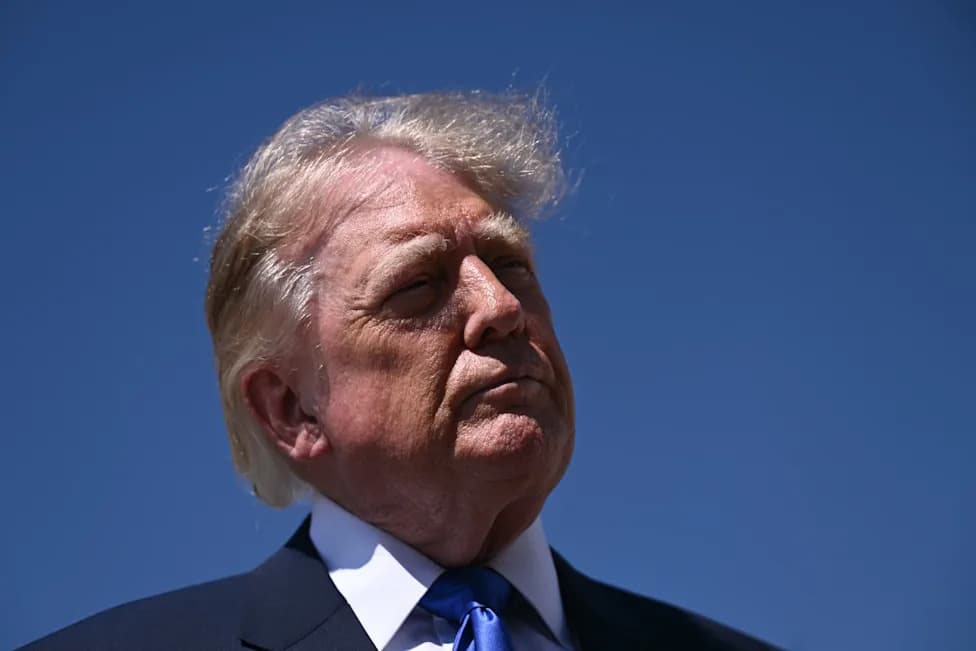
On Friday the White House informed congressional leaders that it did not need further authorization because, in its view, "the hostilities that began on February 28, 2026, have terminated." In a letter to House Speaker Mike Johnson and Senate President pro tempore Chuck Grassley, the president acknowledged the continued threat posed by Iran even while declaring the hostilities concluded.
"The hostilities that began on February 28, 2026, have terminated." — President Donald Trump (letter to congressional leaders)
Administration's Legal Rationale
The administration has repeatedly argued that a ceasefire or suspension of active exchanges pauses or stops the 60-day War Powers clock. Secretary of Defense Pete Hegseth told the Senate Armed Services Committee the department's interpretation is that "the 60-day clock pauses or stops in a ceasefire." The White House pointed to an April 7 ceasefire as precedent for its position.
Operations Continue, Critics Say
Despite the administration's declaration, U.S. forces remain engaged in measures such as enforcing a blockade of the Strait of Hormuz — a strategic posture the president has said will continue until Iran abandons its nuclear weapons program. That has led critics to argue the administration is effectively continuing hostilities without seeking congressional approval or using the 30-day extension the War Powers Resolution allows for an orderly withdrawal.
Some members of Congress from both parties urged restraint. "From the beginning, my position has been that the President's actions in Iran have been consistent with his legal authority under the War Powers Resolution of 1973," Sen. John Curtis (R–Utah) said. "However, that same law is clear that after 60 days, military action must begin to wind down unless Congress provides formal authorization. I will not support continued funding for the use of force without Congress weighing in."
Sen. Lisa Murkowski (R–Alaska) added: "I do not believe we should engage in open-ended military action without clear accountability. Congress has a role."
Congressional Oversight Complicated
The article argues this is an opportunity for Congress to assert its constitutional oversight—either by voting to authorize continued operations or by rescinding funding for unauthorized actions. Practical politics, however, complicated that oversight: Congress entered a weeklong recess just as the dispute reached the 60-day mark, limiting the prospects for immediate legislative action.
The War Powers Resolution does allow the president to seek a single 30-day extension if he "determines and certifies to the Congress in writing that unavoidable military necessity respecting the safety of United States Armed Forces requires the continued use of such armed forces" to effect an orderly withdrawal. Critics say the administration has not used that mechanism and instead has declared the mission over while key operations persist.
Why It Matters
The Framers deliberately separated the power to direct military forces from the power to fund them. As James Madison observed, control of the purse provides congressional leverage and accountability over military commitments. The current dispute raises fundamental questions about where that line should be drawn when hostilities ebb but strategic pressure and military postures remain.
What to watch next: whether Congress presses for a vote on authorization or funding restrictions, whether the administration documents a formal 30-day extension, and whether renewed exchanges of force would restart the War Powers clock.
Help us improve.