Conspiracy theories that once bolstered Donald Trump are increasingly being aimed at him by voices across the political spectrum. After the White House Correspondents' Association dinner, unfounded claims that an assassination attempt was "staged" spread quickly online — amplified in some cases by former allies. High-profile splits among conservative influencers, disputes over Epstein disclosures, and the war in Iran have widened fractures around Mr. Trump. Experts say it is uncertain whether these shifts will change voting behavior, even as they complicate political alliances.
Trump's Conspiracy Grip Slips as Former Allies Turn Against Him
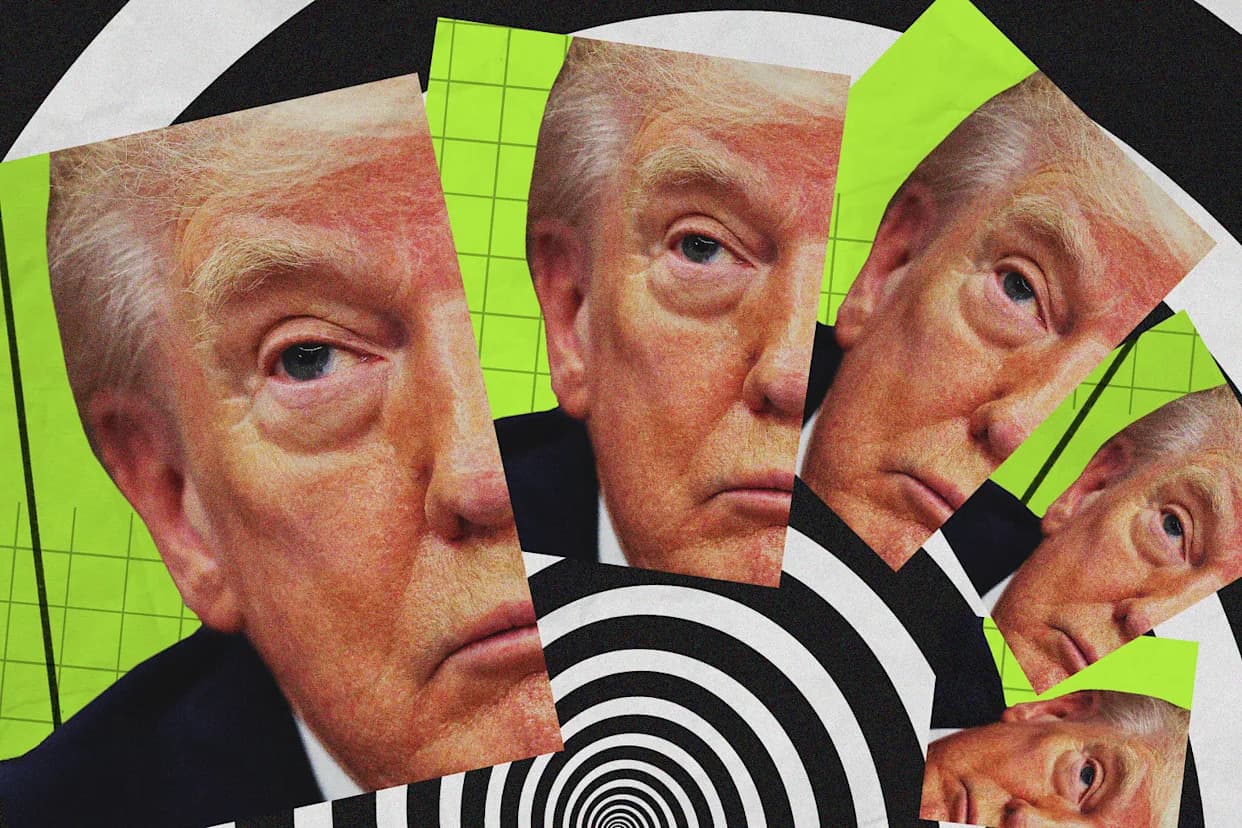
Chelsea Stahl / NBC News; Getty Images(Chelsea Stahl)
Conspiracy theories that once helped elevate Donald Trump — from birtherism to claims of a "deep state" and the false assertion that the 2020 election was stolen — are becoming increasingly unpredictable and, in some cases, directed back at him.
The turning point: In the immediate aftermath of the White House Correspondents' Association dinner, social media filled with unsubstantiated claims that the assassination attempt on Mr. Trump had been "staged" to benefit him. There is no evidence to support that allegation, but the rapid spread of the narratives underscored a new dynamic: some former Trump supporters and prominent influencers are now questioning him.
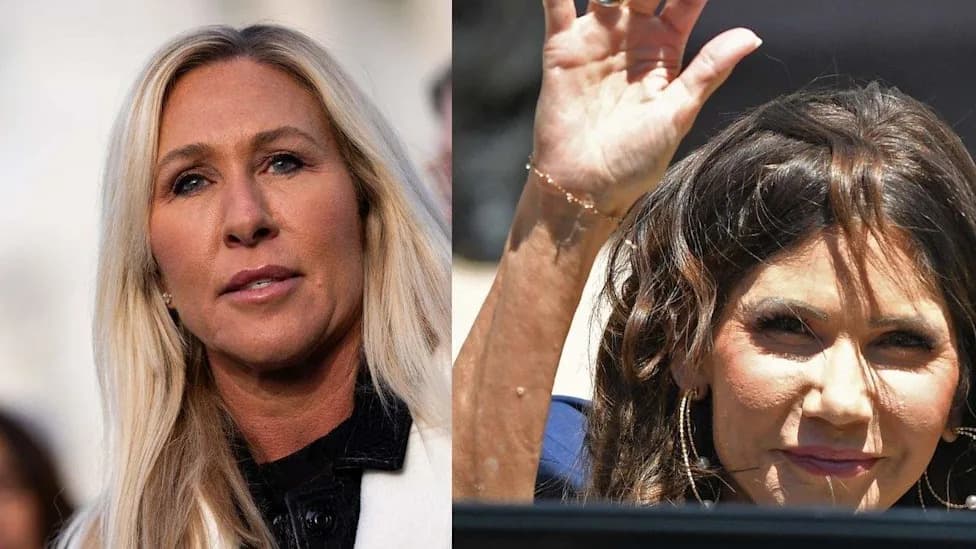
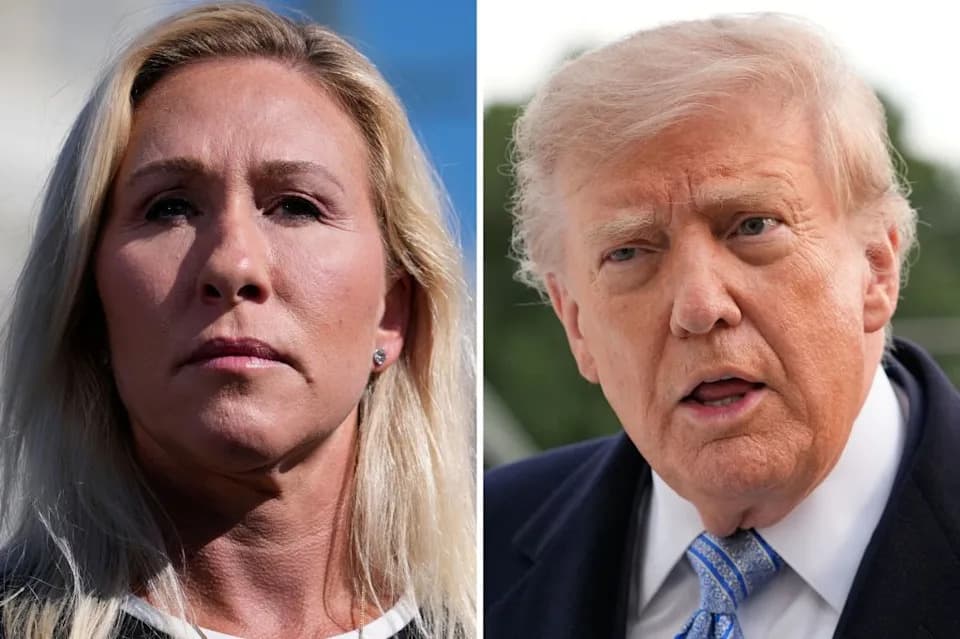
Right-wing conspiracist Alex Jones — who has distanced himself from Mr. Trump over the war with Iran — posted a message asking whether the dinner shooting had been staged. Former Rep. Marjorie Taylor Greene, R-Ga., who has criticized Mr. Trump over Iran and the handling of materials tied to Jeffrey Epstein, questioned why the suspect's writing was released quickly. On the left, progressive podcasters also pushed similar theories.
The White House pushed back. "Anyone who thinks President Trump staged his own assassination attempts is a complete moron," White House spokesman Davis Ingle said in a statement. Attendees such as Bernie Moreno, R-Ohio, urged skeptics to step away from their screens and rely on what they personally witnessed.
Why This Matters
Conspiracy narratives have been a potent messaging tool for Mr. Trump. If those networks fragment or turn against him, he may lose a valuable communication channel and a portion of his base. That said, experts caution that the political impact of influencer shifts is difficult to quantify and may not directly translate into changed votes.
Trump's approval ratings have weakened in his second term amid concerns about the economy and the war in Iran. An NBC News Decision Desk Poll powered by SurveyMonkey showed Republican approval slipping modestly in April — from 87% to 83% overall, and with a decline in the share who "strongly approve."
Fractures on the Right—and Some Crossovers
High-profile conservative influencers such as Tucker Carlson and Candace Owens have publicly split with Mr. Trump. He has pushed back, labeling critics "NUT JOBS" and calling out false claims they advanced. The release and handling of Epstein-related materials and the response to the Iran war have both accelerated rifts among Trump-aligned media figures.
Some personalities remain loyal — including Dan Bongino and Benny Johnson — while others, like Joe Rogan, show a more complicated, transactional relationship. Steve Bannon cautioned that Trump has a history of repairing feuds with media figures when it suits him.
Experts and Polling
Brian Friedberg, a researcher at Harvard Kennedy School’s Shorenstein Center, said some pro-Trump outlets have shed audience segments while top podcasts hosted by figures like Rogan, Owens and Carlson continue to draw large audiences. Still, Friedberg emphasized the uncertainty about whether those shifts will change electoral behavior.
A Manhattan Institute survey in February found nearly half of registered Democrats believed the 2024 attempt on Mr. Trump’s life was orchestrated by his supporters to generate sympathy — a sign of how widely conspiratorial thinking has spread across ideological lines.
Democratic Dilemmas
Some Democrats — including Reps. Jamie Raskin and Ro Khanna — have argued for engaging former Trump-aligned influencers on specific issues like anti-war positions or anti-Epstein reforms, framing it as pragmatic coalition-building. Others urge caution, warning against legitimizing figures associated with toxic or dangerous misinformation.
As one former senior Trump campaign official observed, today's political alignments are less linear. Populist crossover and conspiratorial appeal now cut across left-right boundaries, making alliances and enmities more fluid.
Bottom line: Conspiratorial politics remain an influential but unstable force. Whether the current fractures in pro-Trump influencer networks lead to sustained political realignment or merely temporary noise is still unclear.
Help us improve.