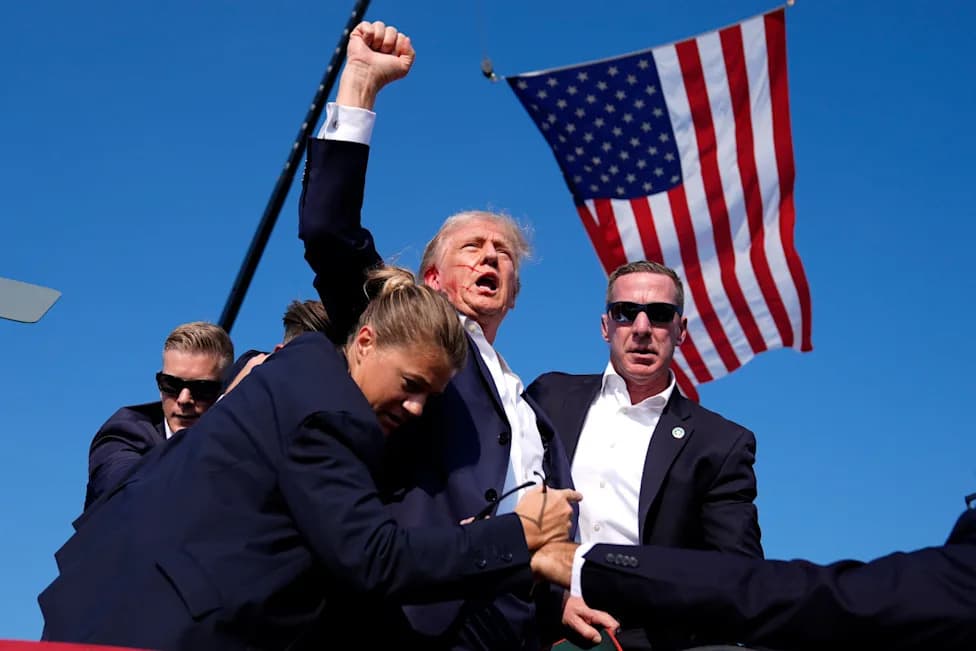
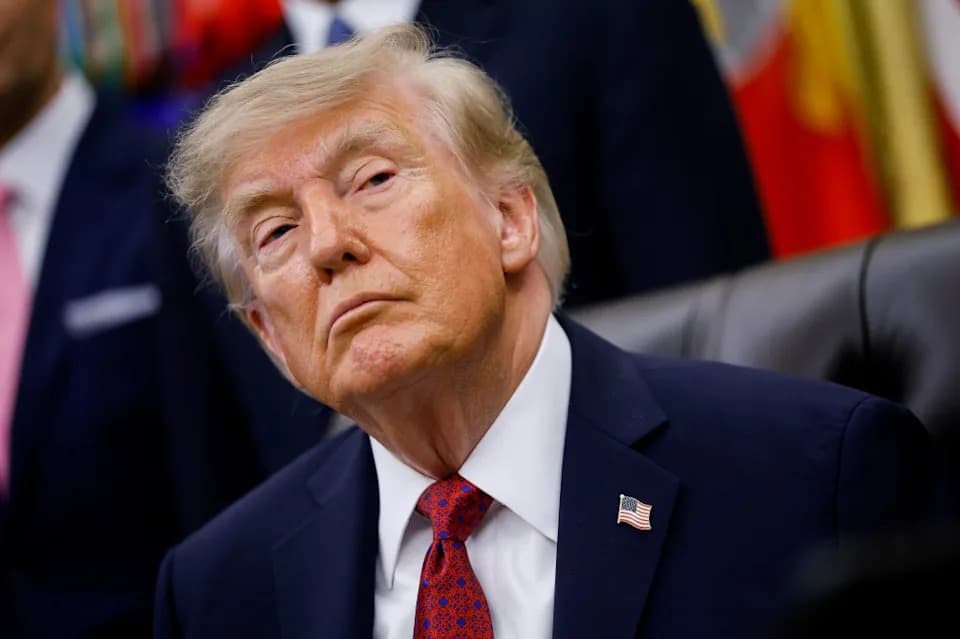
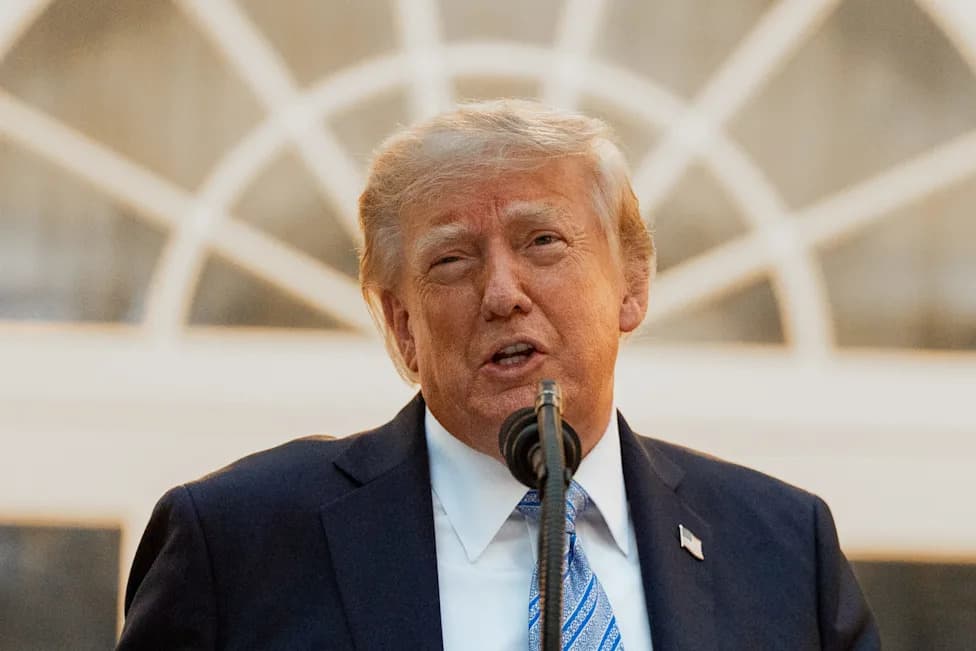
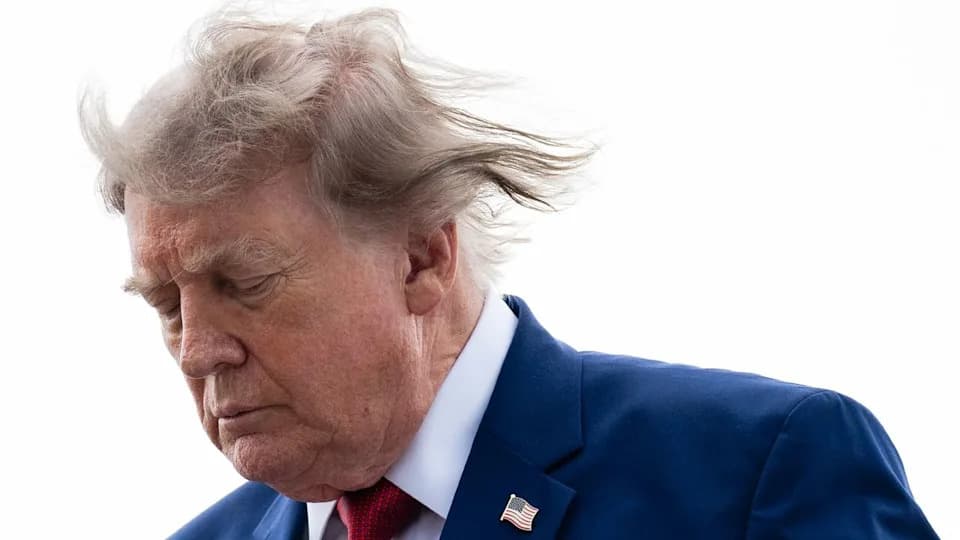
After a third attempt on his life, President Trump delivered a short press conference in which he unusually urged Americans to “recommit to resolving our differences peacefully” and thanked officials and journalists who helped him. The restrained moment briefly suggested presidential dignity, but he soon reverted to partisan talk and an ill-judged comment about feeling “almost honored.” The episode may win him temporary sympathy amid falling approval, the Iran conflict and rising fuel prices.
After an Assassination Attempt, Trump Paused for Unity — Then Reverted to Form
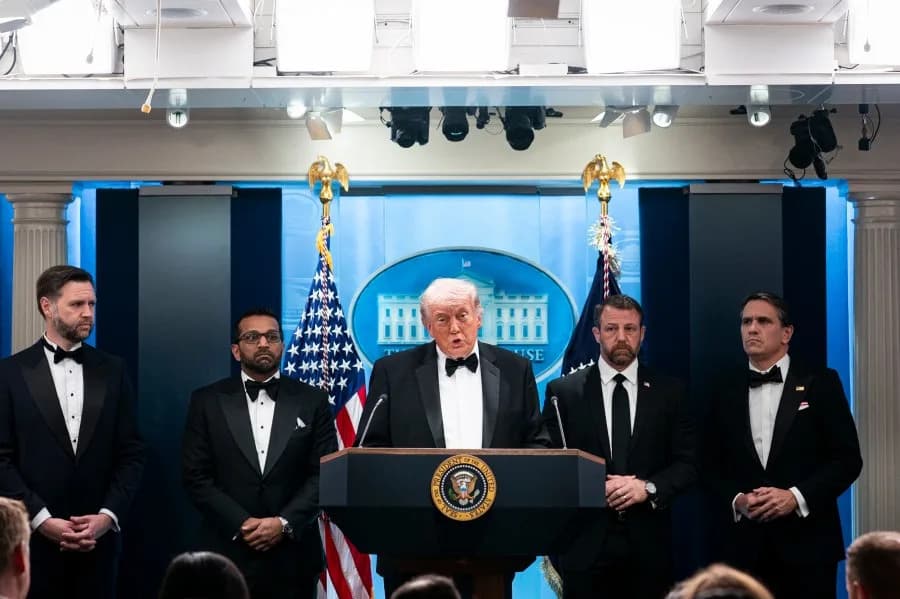
I am no admirer of President Trump — never have been and almost certainly never will be — but his brief press conference late Saturday night, held just after the most recent assassination attempt, was unexpectedly effective in one respect.
Moment of Restraint
For a minute or so, the president displayed two qualities I rarely credit him with: dignity and restraint. Instead of immediately lashing out or assigning blame, he spoke to a theme that matters to the country.
“In light of this event, I ask that all Americans recommit to resolving our differences peacefully.”
He also thanked the elected officials, journalists and others at the White House Correspondents’ Association dinner — whether Democrat, Republican, independent, conservative or liberal — and praised the Secret Service agents who whisked him to safety. There seemed to be a sincerity to the appeal, or at least the hope of one.
Why It Mattered
By most objective measures, the administration is under severe strain: slipping approval ratings, an unpopular war with Iran, rising fuel prices and a distracting public spat with the Pope. Coming when he is politically vulnerable, this third attempt on his life could buy Mr. Trump a measure of sympathy and political breathing room.
A Missed Opportunity
That said, the moment was not flawless. After thanking law-enforcement personnel, Mr. Trump quickly reverted to familiar patterns. He touted recent accomplishments and awkwardly defended actions against Iran — remarks that felt out of place given the gravity of the situation. He went on to say he felt “almost honored” because, in his view, assassins only target presidents like Abraham Lincoln — a comment that struck many as ill-considered and tone-deaf.
Watching as a public-relations adviser, I found the episode revealing. With 35 years advising clients from Fortune 500 CEOs and Hollywood stars to elected officials and agency heads, I would have counseled the president to press the unity theme further. He could have explained what “resolving our differences peacefully” would look like in practice and offered concrete steps Americans might take to reduce polarization.
In short, he had an opportunity to do what the best presidents do in a crisis: rally the country. Franklin D. Roosevelt remains the modern benchmark for that kind of leadership. More frequent, more emphatic appeals to national unity would serve the country — and, frankly, the president — well.
Conclusion
For a brief stretch, Mr. Trump crossed party lines and rejected the violence directed at him. It was an improbable, if fleeting, display of what presidential leadership can look like. But the reversion to partisan rhetoric undercut that possibility and reminded viewers of the limits of the moment.
Bob Brody is a public-relations consultant and essayist and the author of the memoir Playing Catch With Strangers: A Family Guy (Reluctantly) Comes of Age. Over the past 35 years he has served as a media strategist and editorial specialist at global communications firms, including Powell Tate (the public affairs division of Weber Shandwick), advising a wide range of public and private clients.
Help us improve.