
The State Department is promoting a U.S.-led 'Maritime Freedom Construct' to coordinate allied transit through the Strait of Hormuz and to synchronize diplomatic and economic pressure on Iran. The plan pairs State Department diplomacy with U.S. Central Command's real-time maritime coordination and is intended to complement UK and French efforts. Iran began blocking ships after strikes on Feb. 28, and a temporary ceasefire on April 8 has not yet resolved the crisis, while global energy prices have risen and allied support remains uncertain.
U.S. Pushes Allies to Reopen Strait of Hormuz With New 'Maritime Freedom Construct' as Trump Scorns Partners
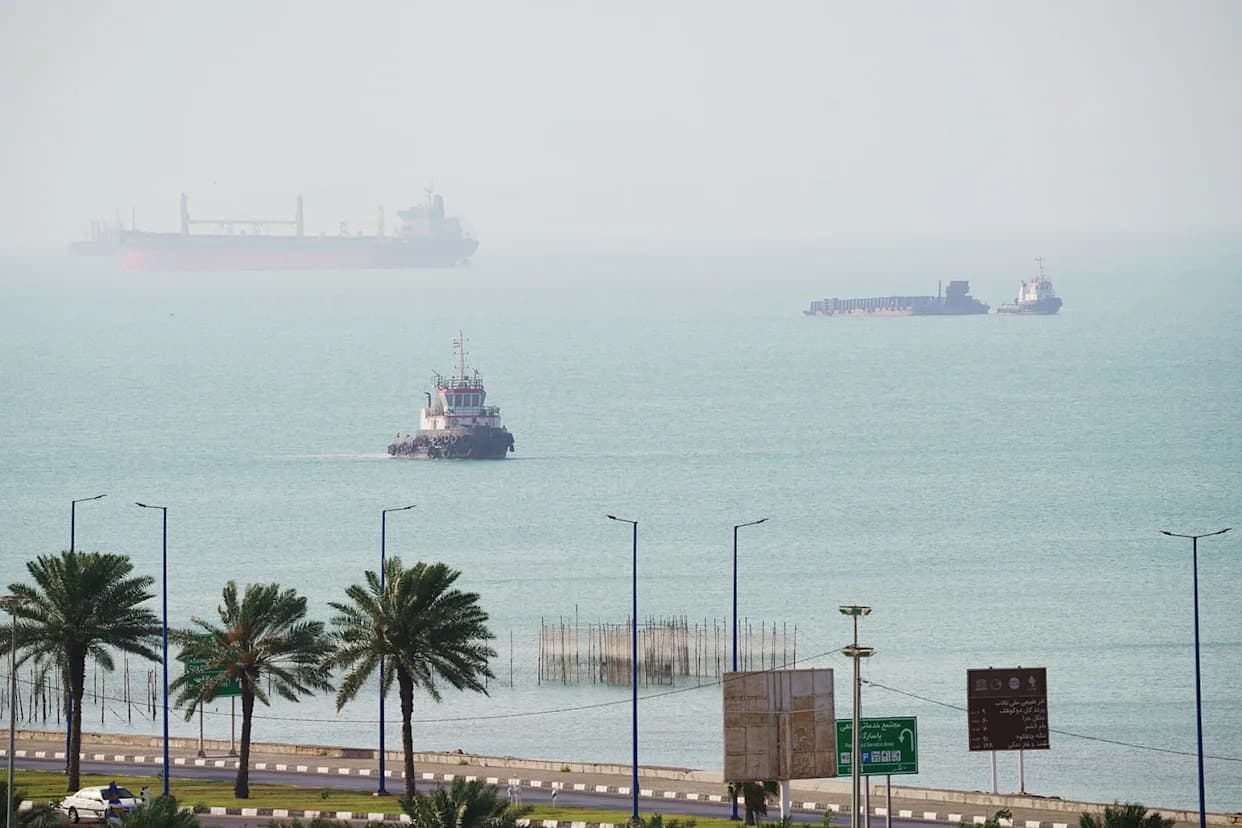
Boats in the Strait of Hormuz off Qeshm Island, Iran, on Tuesday. (Getty Images / Getty Images)(Getty Images)
The State Department has launched diplomatic outreach to assemble a multinational effort — the 'Maritime Freedom Construct' (MFC) — aimed at ensuring safe commercial transit through the Strait of Hormuz while coordinating diplomatic and economic pressure on Iran.
What the Plan Would Do
According to an internal memo reviewed by NBC News, the proposed MFC would pair State Department-led diplomacy with operational support from U.S. Central Command. The State Department component would act as the diplomatic hub, providing a forum for allies, partners and the commercial shipping industry to coordinate responses, including economic measures designed to impose costs on Iran for disrupting maritime traffic. Meanwhile, U.S. Central Command would manage real-time maritime traffic coordination and direct communications with vessels transiting the strait.
Diplomatic Outreach And Limits
Diplomats were instructed to pitch the initiative to foreign officials and to emphasize that 'all levels of engagement are welcome.' The memo says the MFC would be complementary to existing maritime security task forces, including planning efforts led by the UK and France, and that Washington expects close communications to deconflict and coordinate operations. The cable is explicit that Iranian participation would be excluded and advises posts not to contact countries identified as 'U.S. adversaries,' naming Russia, China, Belarus and Cuba.
Context: Rising Tensions And Economic Stakes
The outreach comes amid a wider confrontation with Iran. Iran began blocking ships from entering the Strait of Hormuz shortly after U.S. and Israeli strikes on Feb. 28, and the United States has since enacted a naval blockade of Iranian ports in the strait, reportedly blocking at least 41 vessels. A temporary ceasefire that took effect on April 8 created a window for negotiations, but talks have not yet produced a durable solution. Global energy prices have risen to roughly a four-year high amid the standoff.
Political Backdrop
President Donald Trump initially asked allies for assistance but later signaled that the U.S. could manage without their help, telling reporters at one point that reopening the strait 'wasn’t his problem.' At the same time, the president has publicly criticized NATO partners and threatened troop withdrawals from Germany, Italy and Spain amid tensions with allied leaders. The administration is also balancing its response with other strategic priorities, including a planned mid-May visit by the president to Beijing to meet Chinese President Xi Jinping.
Next Steps
Diplomats were asked to present the MFC concept to foreign officials by the end of the week and to stress that the initiative is intended to fill gaps not currently addressed by existing coalitions. The authors of the memo characterize the construct as structurally independent but seeking close collaboration with UK and French efforts to build a robust maritime security architecture.
Suggested Diplomatic Line: 'We invite your country to join the MFC as a diplomatic and/or military partner in this critical initiative. Your participation will strengthen our collective ability to restore freedom of navigation and protect the global economy.'
The State Department declined to provide a public list of expected participants. Observers say some allies have been reluctant to become involved after being caught off guard by the escalation, complicating U.S. efforts to build a broad coalition.
Help us improve.





















