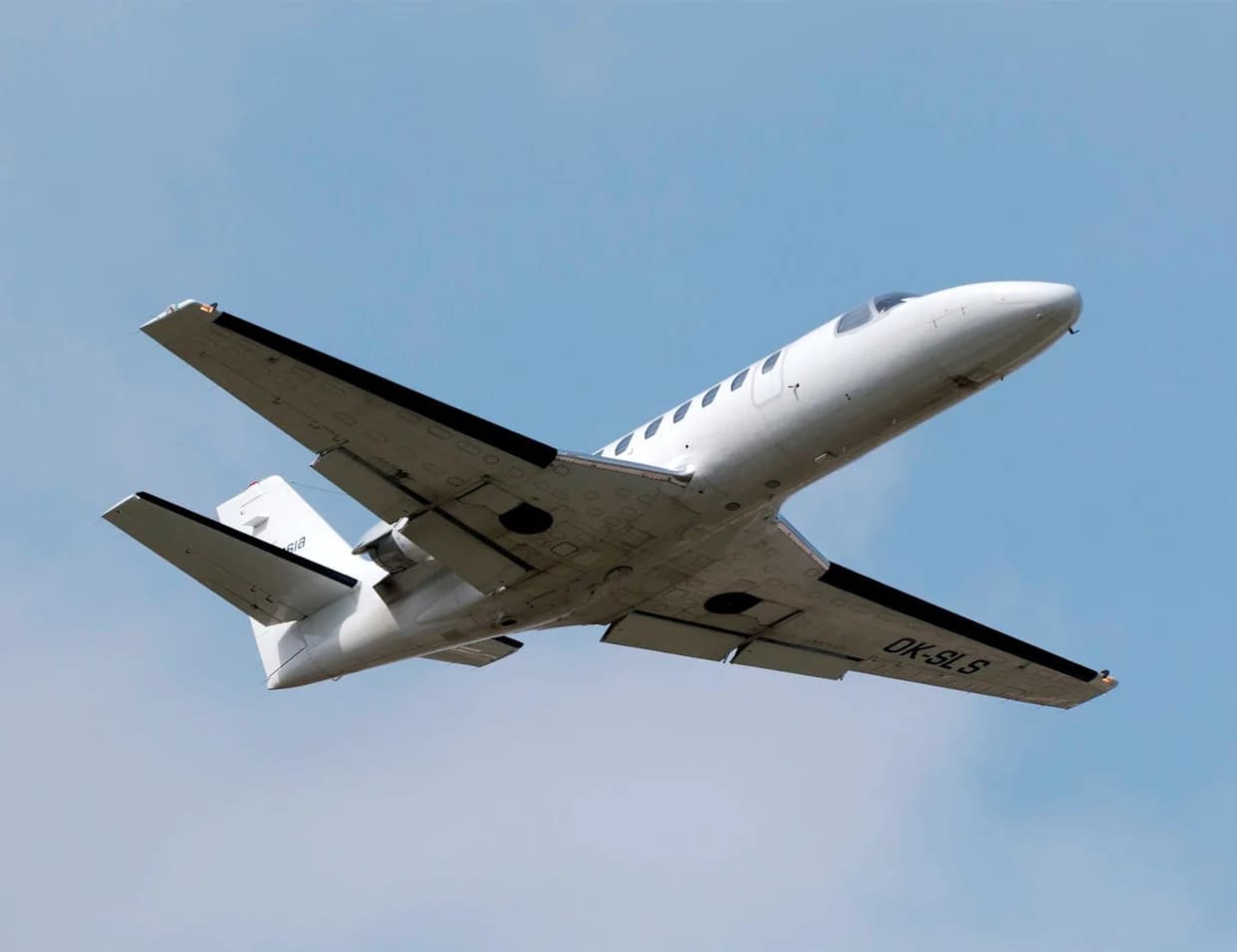
On the afternoon of June 4, 2023, a routine business flight became a national-security scare and, ultimately, a fatal aviation mystery. A Cessna Citation 560 (tail number N611VG) climbed to 34,000 feet en route from Elizabethton, Tennessee, to Long Island’s MacArthur Airport. About an hour into the flight, air traffic controllers lost two-way radio contact; the jet reversed course over its destination and began flying southwest, silent and unresponsive.
Military Intercept and a Stirring Sonic Boom
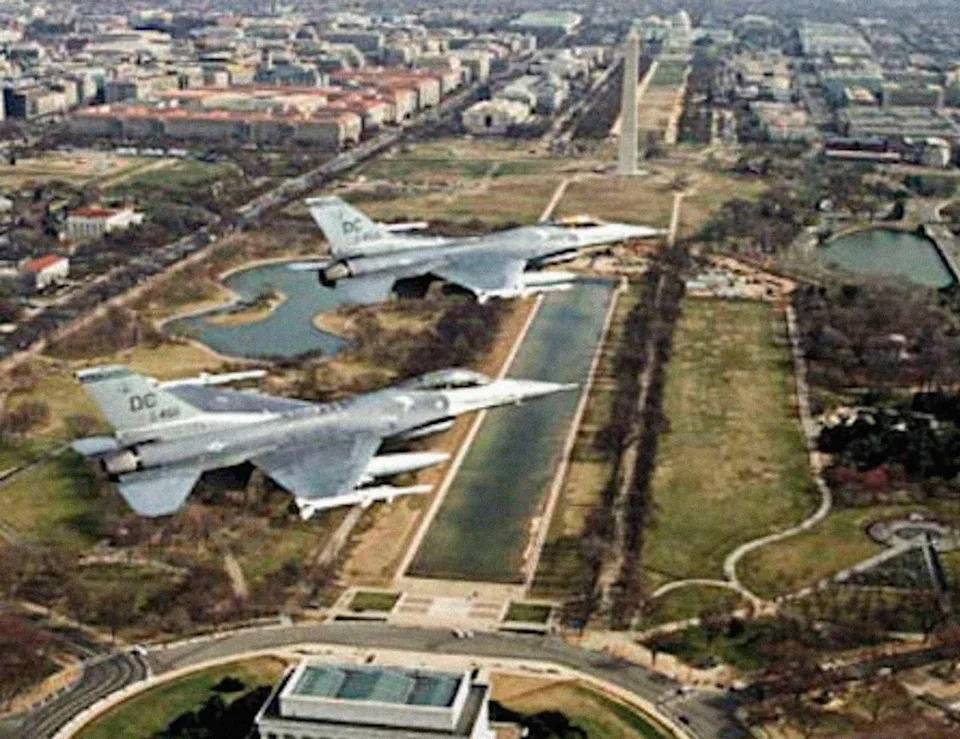
With no answers over the radio and the jet approaching Washington, D.C., two U.S. Air Force F-16s from Joint Base Andrews scrambled just before 3 p.m., joined by a second pair from Atlantic City. The jets accelerated to catch the Citation; witnesses reported a loud sonic boom shortly after 3 p.m. as the fighters exceeded the sound barrier. By roughly 3:20 p.m., the fighters reached visual range and confirmed the registration N611VG.
Visual Inspection: Silence in the Cabin
From the F-16 cockpits, pilots reported no visible external damage, no smoke or frosting on the windows, and open window shades. The Citation flew a straight, steady track consistent with autopilot. Fighter pilots saw the pilot slumped over and no visible movement from passengers, and repeated calls on the international emergency frequency (121.5 MHz) went unanswered.
Hypoxia: The Leading Theory
Investigators, and the pilots in the intercept, suspected a depressurization event that left everyone aboard incapacitated by hypoxia — oxygen starvation at altitude. Small leaks or maintenance lapses can produce gradual cabin pressure loss with few obvious warning signs until cognitive impairment and unconsciousness set in within minutes at 34,000 feet.
Two F-16s from the 121st Fighter Squadron, fly over Washington, D.C. The jets, based at Joint Base Andrews in nearby Maryland, are equipped for both air-to-air and air-to-ground operations, providing rapid defense of the U.S. capital and surrounding areas.Alamy
Loss of Power and Crash
As the Citation exhausted its fuel, engines began to flame out and the autopilot could no longer maintain altitude. The jet entered a sharp spiraling descent and crashed into forested terrain near Montebello, Virginia. The first report to Virginia State Police arrived at about 3:50 p.m.; rescue teams located the wreckage roughly four hours later. There were no survivors.
Investigation Findings
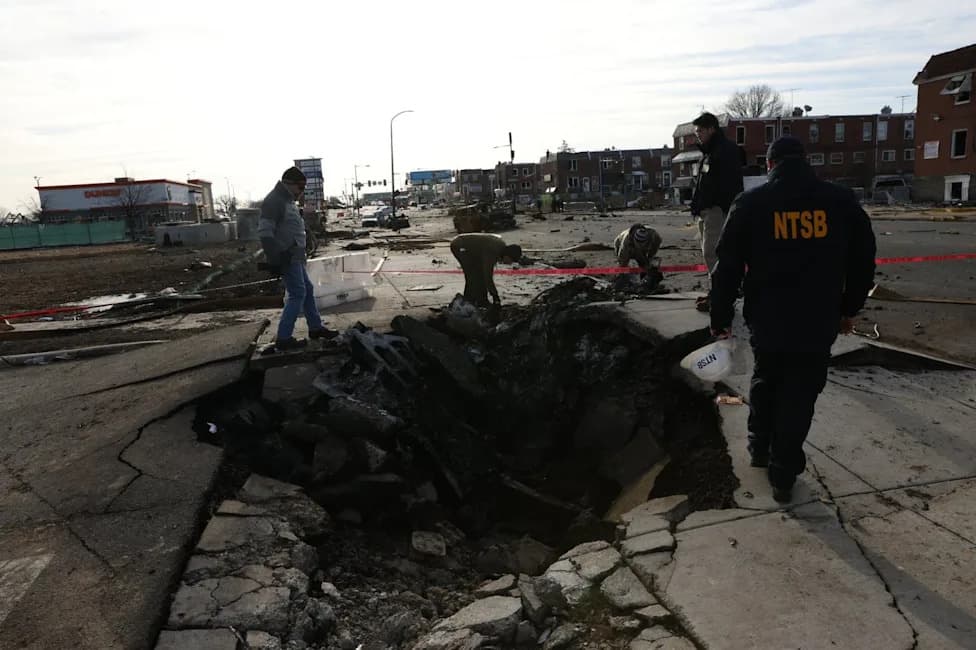
The National Transportation Safety Board (NTSB) assembled a Go Team and examined a site that showed a high‑speed, nose‑down impact and post‑impact fire. The airplane lacked a flight data recorder and the cockpit voice recorder was apparently destroyed in the blaze, removing key forensic sources. Maintenance logs disclosed five overdue items; notably, a May 10 maintenance entry said the pilot‑side oxygen mask was not installed. The NTSB issued its final report in May 2025, finding the probable cause to be pilot incapacitation due to loss of cabin pressure for undetermined reasons and citing operation without supplemental oxygen as a contributing factor.
Context And Training
Hypoxia has caused other high‑profile accidents, including the 1999 Learjet crash that killed golfer Payne Stewart and the 2005 Helios Airways disaster. To convey how fast hypoxia can impair performance, the article’s author underwent training at the National Aerospace Training and Research Center (NASTAR), where removal of an oxygen mask while the chamber simulated 25,000 feet produced measurable cognitive decline within minutes.
Technology And Prevention
Manufacturers are developing automated safety systems — for example, Garmin’s Autoland and automatic emergency‑descent features — that can take control if pilots become incapacitated. In a December 20, 2025 incident, a Beechcraft Super King Air activated Autoland after rapid decompression and landed safely, a real‑world demonstration of the potential these systems have to prevent tragedies like the 2023 Citation crash. High costs and slow retrofit cycles, however, mean widespread adoption will take time, keeping the onus on maintenance diligence and pilot readiness for now.
Conclusion
The Montebello crash was a stark reminder that modern avionics and human physiology must work together to stay aloft. Small maintenance oversights and subtle failures of cabin pressure can quickly become catastrophic at high altitude. The NTSB’s conclusion — pilot incapacitation from loss of cabin pressure, with operation without supplemental oxygen a contributing factor — underscores the need for rigorous maintenance, crew training, and broader adoption of automation that can intervene when humans cannot.