A crushed skull discovered in 1982 at Ghost Ranch and stored for 40 years was digitally reconstructed by Virginia Tech researchers using CT scans and 3D printing. The fossil represents a new Late Triassic carnivore, named Ptychotherates bucculentus, and is classified as a herrerasaurian. The find suggests some early dinosaur lineages persisted later and in regions not previously recognized before disappearing in the end‑Triassic extinction.
Forgotten Ghost Ranch Skull, Lost for 40 Years, Reveals a New Late‑Triassic Dinosaur
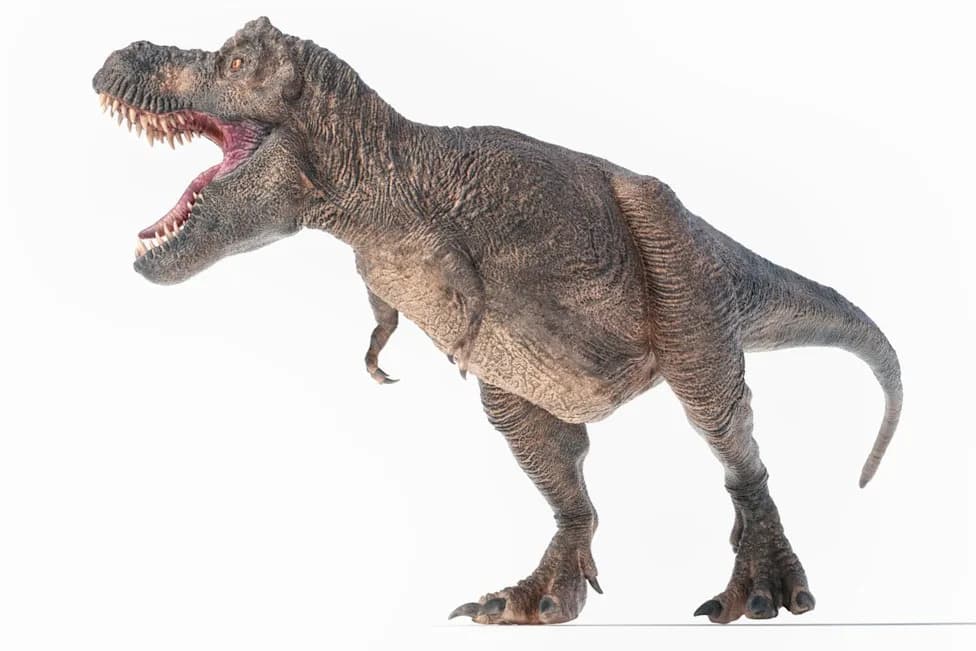
Indominus rex - Head© Anton_Ivanov/Shutterstock.com
A badly crushed dinosaur skull that sat in a museum drawer for four decades has revealed a previously unknown species and is reshaping how scientists think about early dinosaur evolution.
The specimen was recovered in 1982 at Ghost Ranch, New Mexico, by a team from the Carnegie Museum of Natural History and was long considered too damaged to study. It remained in storage until Sterling Nesbitt, a paleontologist and associate professor in Virginia Tech’s Department of Geosciences, rediscovered the fossil and invited senior geosciences major Simba Srivastava to reexamine it.

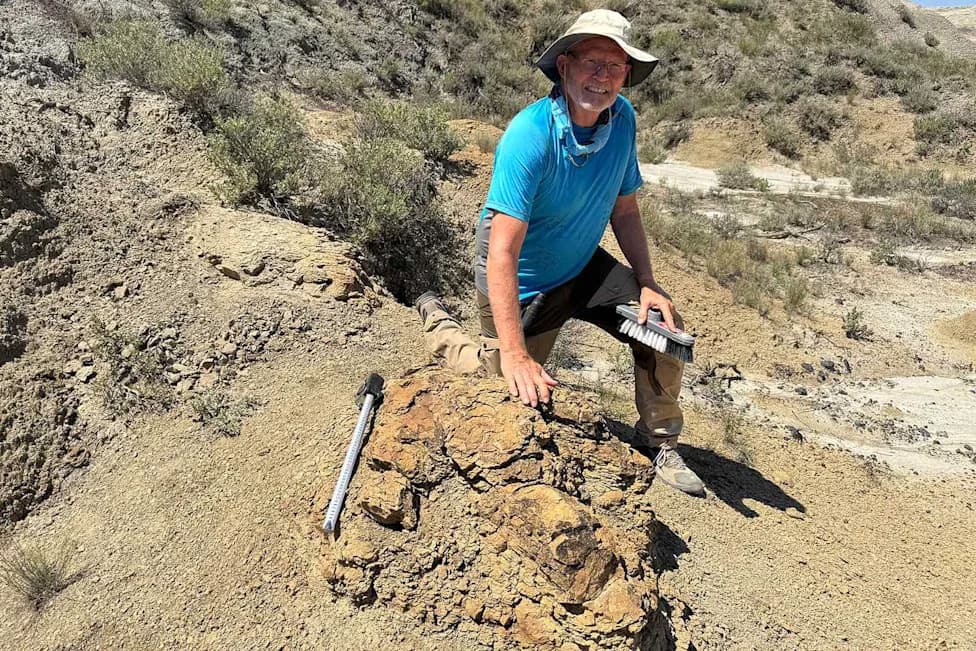
The mangled dinosaur skull was found in the Ghost Ranch area of New Mexico.©GUILLAUME LECLERC/Shutterstock.com
Digital Reconstruction Unmasks a New Species
Srivastava used computed tomography (CT) scans to digitally separate the compressed fragments and produced a 3D‑printed reconstruction of the skull. Once reconstructed, the bones revealed a carnivorous dinosaur from the Late Triassic — a creature that lived roughly three times earlier than Tyrannosaurus rex.
“We want undergraduate researchers to experience the whole paleontological research process at Virginia Tech. Simba grabbed the project by the reins,”
The skull shows several distinctive features — a broad braincase, pronounced cheekbones, and a short, deep snout — characteristics not previously seen in contemporaneous dinosaur fossils. Those differences prompted the team to conclude the specimen represents a new species, which Srivastava named Ptychotherates bucculentus, meaning “folded hunter with full cheeks.” A paleo‑artist who saw the reconstruction even joked that it looked like a “murder muppet.”
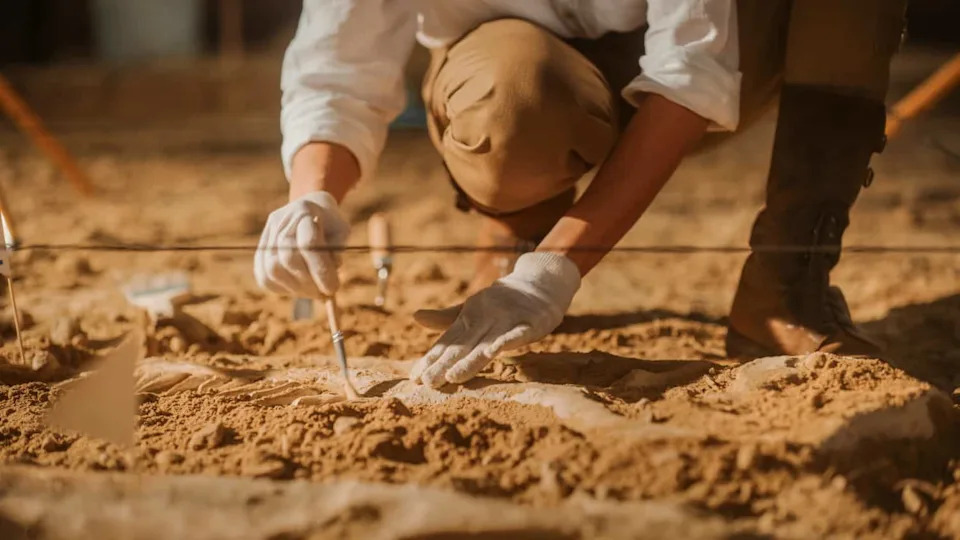
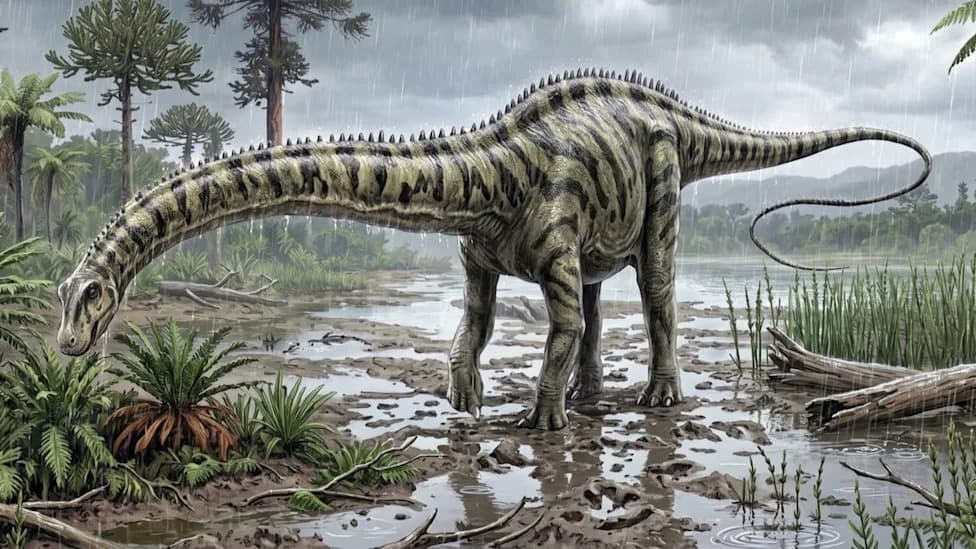
Paleontologists have recovered a few dinosaur fossils from the end of the Triassic period.©Gorodenkoff/Shutterstock.com
Implications for Dinosaur Evolution
Detailed study indicates the skull belongs to Herrerasauria, one of the earliest groups of meat‑eating dinosaurs. The team suggests this specimen may be among the last surviving members of that lineage and that the American Southwest could have been a final refuge before the group vanished.
The skull was found in rock layers that may date to just before the end‑Triassic mass extinction. Combined with the scarcity of post‑Triassic herrerasaurian fossils, the discovery supports the idea that the end‑Triassic event not only removed competitors to dinosaurs but also eliminated some long‑standing dinosaur lineages.
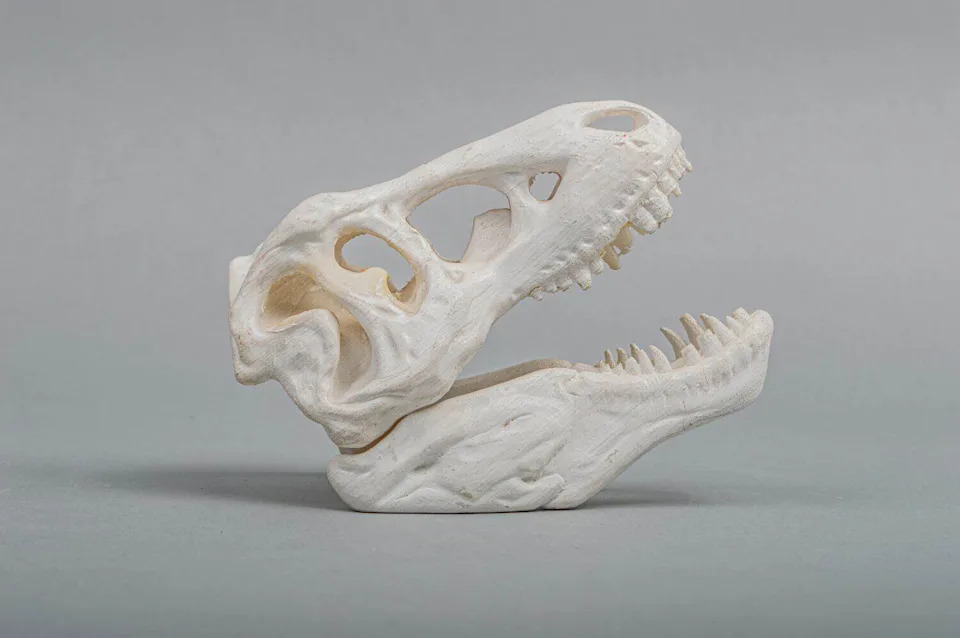
Scientists used 3d printing technology, like in this example, to recreate the mangled dinosaur skull.©Ruslan Ayupov/Shutterstock.com
“This forces us to reconsider the impact of the end‑Triassic extinction as something that wiped out not just the competitors to dinosaurs, but some long‑standing dinosaur lineages themselves,”
The specimen was described in a paper published in Papers in Paleontology. Beyond the taxonomic finding, the story highlights the value of revisiting museum collections with modern technology: CT scanning and 3D printing turned a forgotten, crushed fossil into a window on a pivotal moment in Earth’s history.
Provenance: Found 1982 at Ghost Ranch (New Mexico), curated at the Carnegie Museum of Natural History, later studied and described by researchers at Virginia Tech. Published in Papers in Paleontology.
Help us improve.