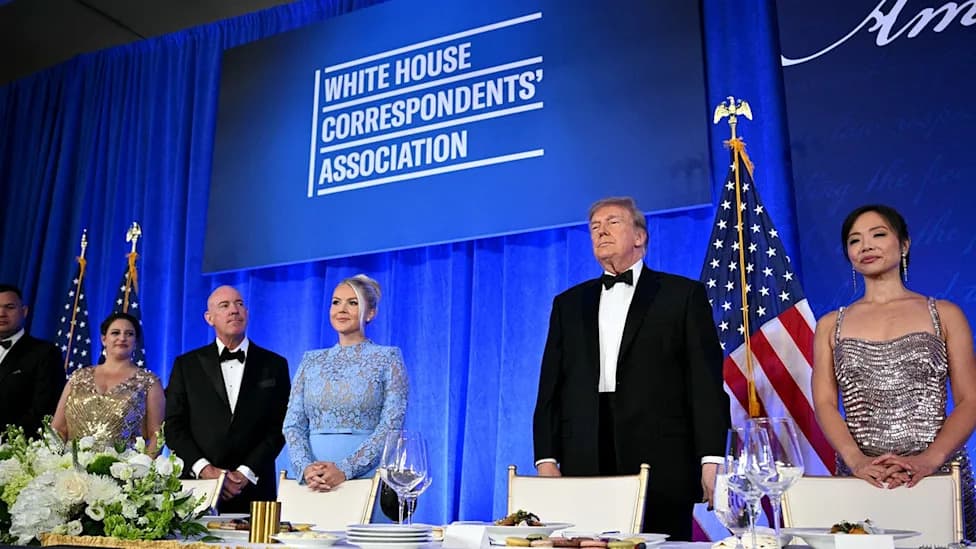
The gunman’s attack near the White House Correspondents’ Dinner has renewed calls for a secure, on-site White House ballroom to protect presidents during large indoor events. Lawmakers are split on feasibility — the dinner draws about 2,500 guests — and on whether private donations or taxpayer money should pay for the project. Sen. Lindsey Graham proposes $400 million in public funding for underlying security infrastructure, while others, including Democrats, insist an investigation of the security lapse should come first.
Debate Intensifies Over Trump’s Proposed White House Ballroom After Correspondents’ Dinner Attack
A gunman’s attack near the White House Correspondents’ Dinner in Washington last week has reignited debate over President Donald Trump’s proposed White House ballroom and whether the executive mansion needs a hardened, on-site venue for large gatherings.
Supporters say a permanent, secure ballroom inside the White House complex could protect presidents — current and future — during major indoor events such as the annual dinner, which typically draws about 2,500 attendees and is held at the Washington Hilton. Critics question whether such a space could realistically accommodate events of that size, and they are divided over whether private donations or taxpayer funds should pay for the project.
Where Lawmakers Stand
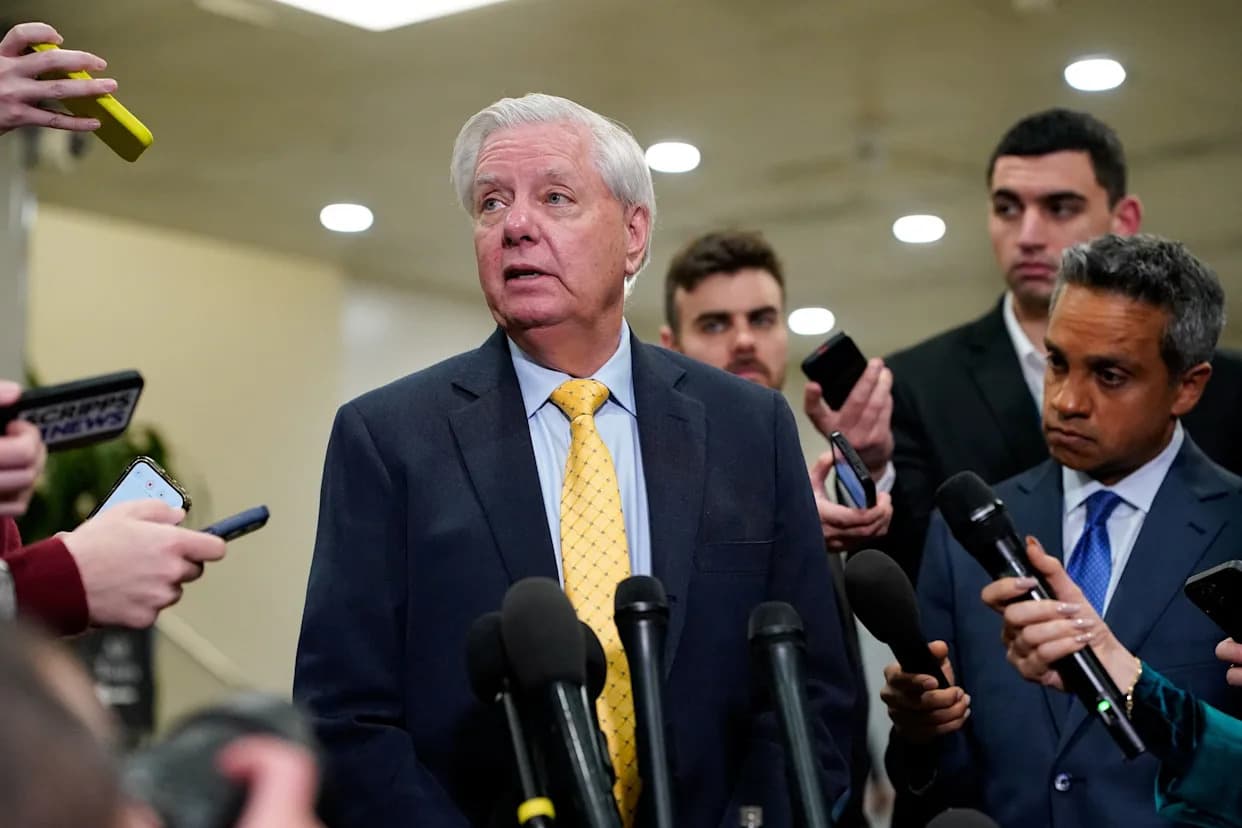
Sen. Lindsey Graham (R-S.C.) has pushed for public funding to build security infrastructure beneath the ballroom, introducing legislation that would authorize $400 million for the project. He argues the space would reduce the need for presidents to travel off the White House grounds to venues that may be less secure.
“Private donations can be used, but I think they should be used for buying china and stuff like that. Underneath this ballroom will be infrastructure that is national security-centric. The ballroom itself will avoid the dilemma of having to leave the White House grounds, with future presidents and this president, to go downtown in a place that’s less secure.”
Sen. John Hoeven (R-N.D.) said he favors the idea in principle and praised President Trump’s private fundraising, but said he is open to arguments for public dollars if there are compelling security reasons.
“I think what happened over the weekend showed another reason why it’s very valuable to have a ballroom at the White House and, remember, that’s going to serve future presidents and administrations, Republican and Democrat. I think it’s great that President Trump raised the money to do it. I think that’s great. It’s like a gift to the taxpayers and the country. But if Lindsey’s got some reason, I’m willing to listen to it.”
Sen. Tim Kaine (D-Va.) cautioned that officials should first complete an investigation into the Correspondents’ Dinner security lapse before deciding whether to pursue a costly, permanent ballroom.
“Saturday night was a security failure. It was also a success that no one was injured. Thank God. But we have got to understand what the glitches were and what led that to happen. And so before, ‘Oh, this thing happened, let’s just throw a whole bunch of public money at the ballroom,’ let’s get an investigation about what happened and what went wrong, and then we can decide, do we have to invest more to keep the president safe? Is the ballroom the right answer? Are there other things that are the right answer?”
Sen. Gary Peters (D-Mich.) questioned the practicality of fitting the Correspondents’ Dinner into a White House ballroom and called the proposal "ridiculous" given competing priorities for federal resources.
Beyond politics, practical concerns loom: whether the White House grounds can accommodate a ballroom large enough for roughly 2,500 guests, the significant cost and construction challenges, precedent and ethics around private fundraising for public buildings, and how such a venue would alter longstanding traditions tied to off-site events.
Next Steps
Republican proponents argue the attack illustrates the need for on-site security infrastructure, but Democrats and some Republicans urge a full review of last week’s security failures before committing major public resources. Despite momentum from some lawmakers, Congress is unlikely to fast-track funding in the immediate aftermath, Semafor’s Burgess Everett reported.
Help us improve.