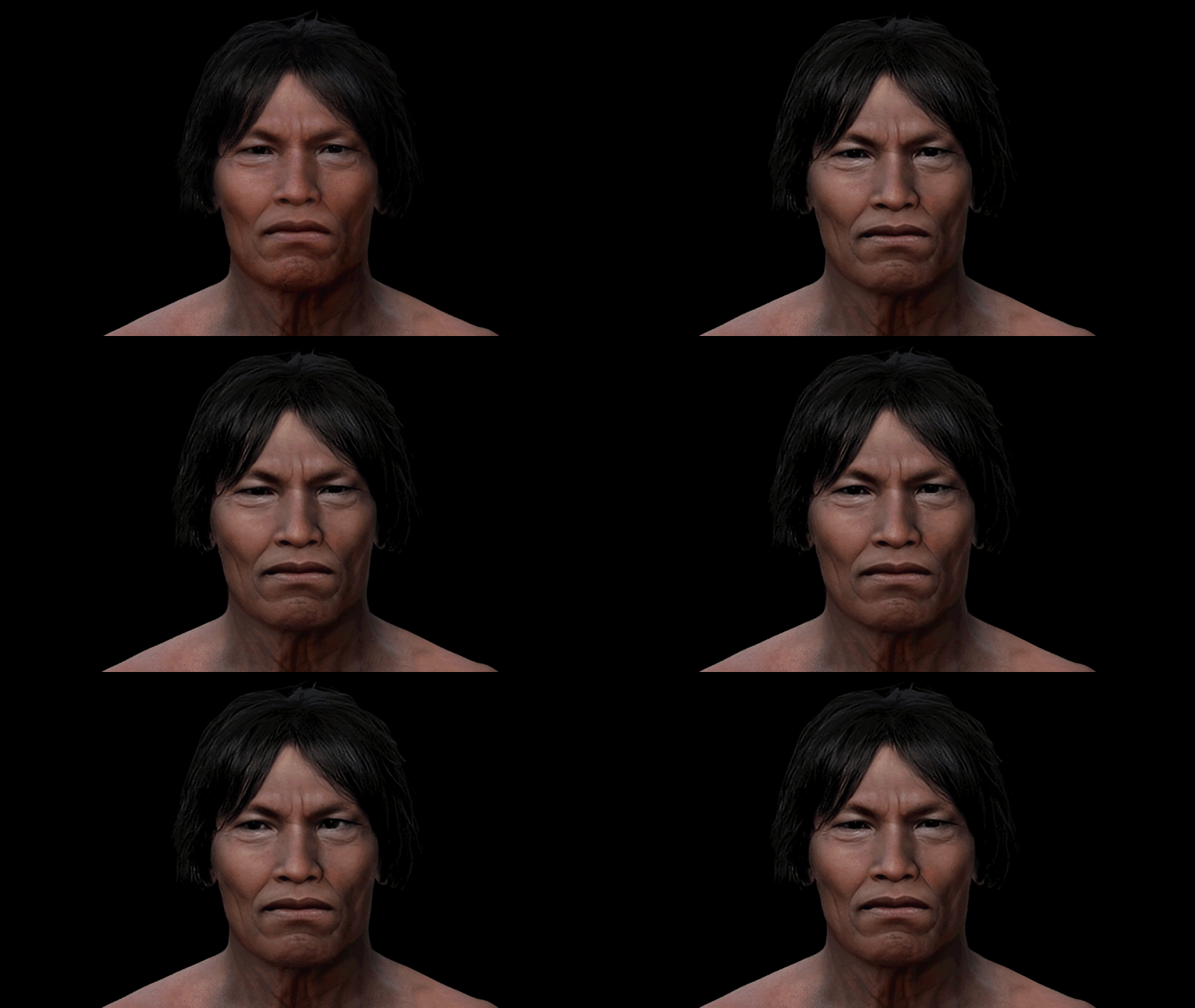
Eyebrows do more than divert sweat: they are central to facial communication and recognition. Fossil and anatomical evidence shows reduction of the brow ridge and midface retraction in Homo sapiens increased eyebrow mobility and visibility. Studies (2003, 2018, 2019) suggest brows evolved primarily to support dynamic social signaling, trust maintenance and configural face processing. Cultural grooming practices reflect their ongoing social and aesthetic importance.
Why Humans Have Eyebrows: How Bones, Behavior and Social Signaling Shaped Our Brows
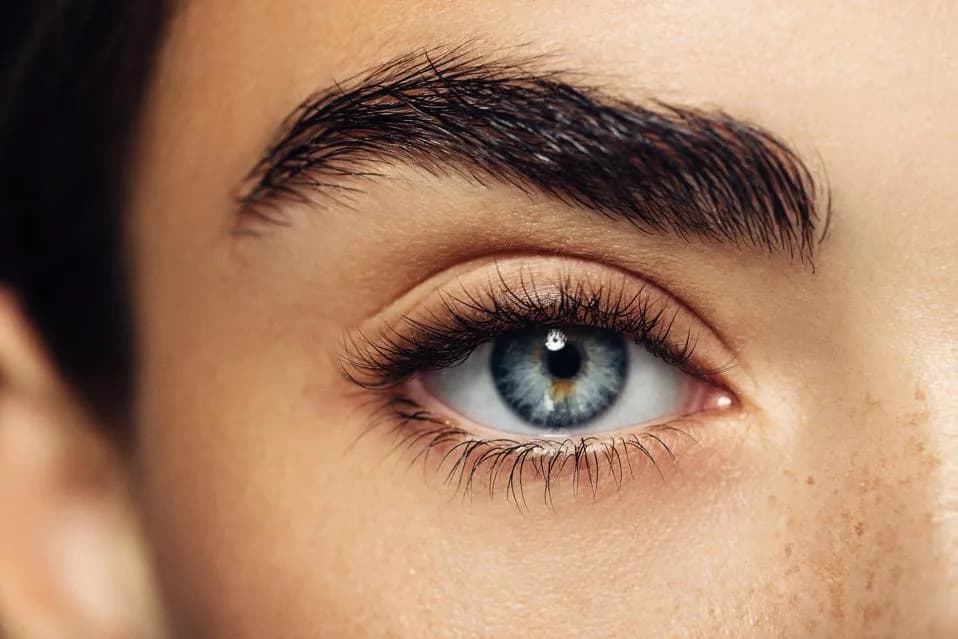
From rigid brow ridges to expressive arches, your eyebrows tell a story of how human faces evolved to signal emotion, identity and social intent.getty
We rarely notice our eyebrows until they change — shave them off and the face suddenly looks wrong. That everyday oddness reveals a deeper truth: eyebrows do important work beyond keeping sweat out of the eyes. Combining fossil evidence, anatomy and psychology shows they became integral to how humans communicate and recognize one another.
From Brow Ridges to Mobile Brows
Early hominins such as Homo heidelbergensis and Neanderthals had pronounced, continuous bony brow ridges that provided robust mechanical protection for the eyes. In modern humans (Homo sapiens), however, a coordinated suite of changes — notably a reduced brow ridge and retraction of the midface — made the upper face more open and the soft tissues above the eyes freer to move. A 2019 study in Nature Ecology & Evolution documents these coordinated facial changes, which increased eyebrow visibility and mobility.
Protection Is Real — But Not the Whole Story
Eyebrows still serve a protective role: hair and shape help channel sweat and trap small particles before they reach the eye. But compared with the strong shielding once supplied by bone, that function appears secondary. The evolutionary shift toward a more expressive upper face suggests another selective pressure: social communication.
Eyebrows as Social Signals
A 2018 study (also in Nature Ecology & Evolution) frames the modern human face as an instrument for social signaling. Large, fixed brow ridges may have acted as static cues of dominance in earlier hominins. Modern humans, by contrast, rely on dynamic facial signals. Small eyebrow movements convey rich information rapidly and with low effort: a quick raise can signal recognition, a sustained lift shows surprise, a knit brow indicates concern, and an asymmetric lift can express skepticism. These signals travel well across light and distance, are costly to fake convincingly, and thus help maintain social trust.
Eyebrows and Face Recognition
Eyebrows also anchor facial geometry. A 2003 experiment published in Perception digitally removed either the eyes or the eyebrows from photographs of well-known faces and asked participants to identify them. Surprisingly, removing eyebrows impaired recognition more than removing the eyes. Eyes provide dynamic detail, but eyebrows give consistent, high-contrast shape cues — thickness, curvature, spacing and symmetry — that support configural processing (the brain’s reliance on relationships among facial features). Lose the brows and the face’s geometry collapses, making recognition much harder.
Cultural and Aesthetic Importance
The communicative and identity roles of eyebrows help explain why people across cultures groom and modify them — plucking, threading, tinting, shaping and even using treatments such as Botox to alter movement. These practices reflect the brows’ influence on perceived emotion, attractiveness and social signaling.
Bottom line: Eyebrows retain a modest protective function, but their primary evolutionary significance in modern humans appears to be communicative and social — helping signal emotion, maintain trust and anchor individual identity.
Help us improve.