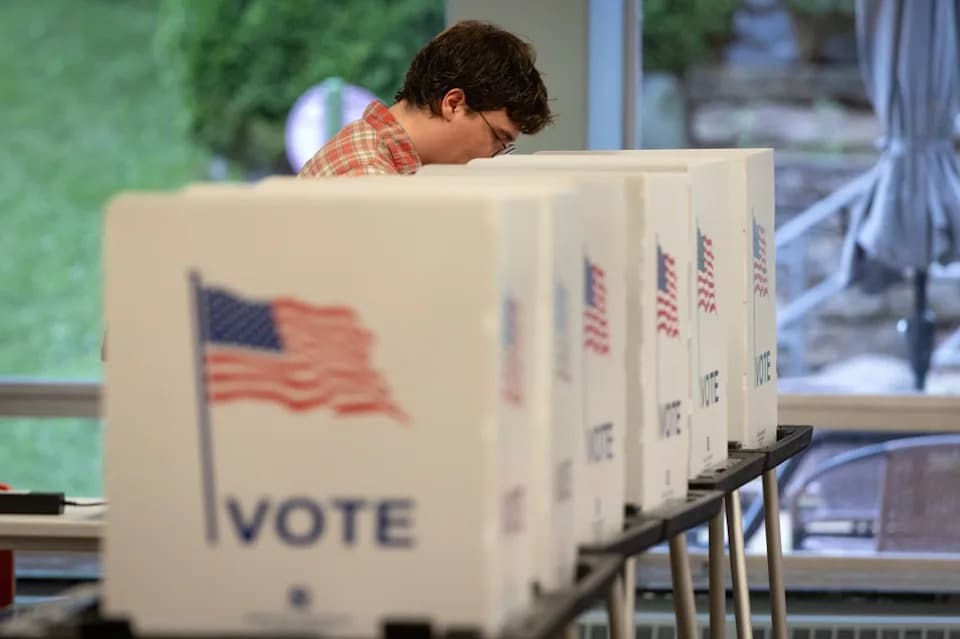
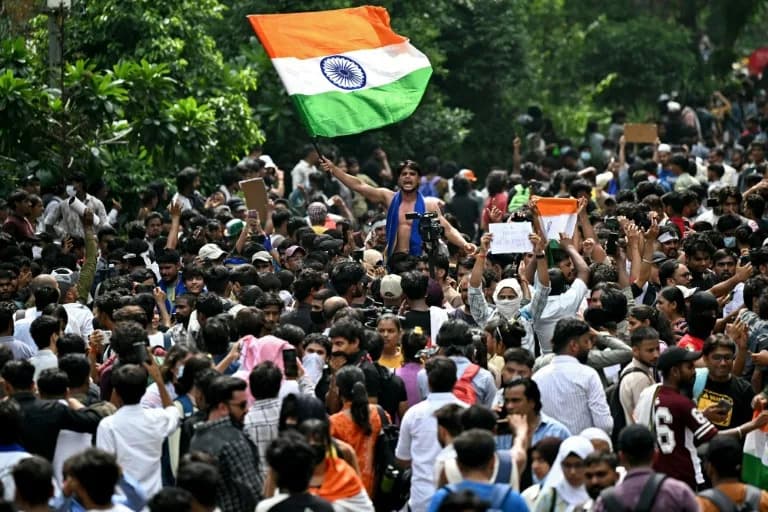
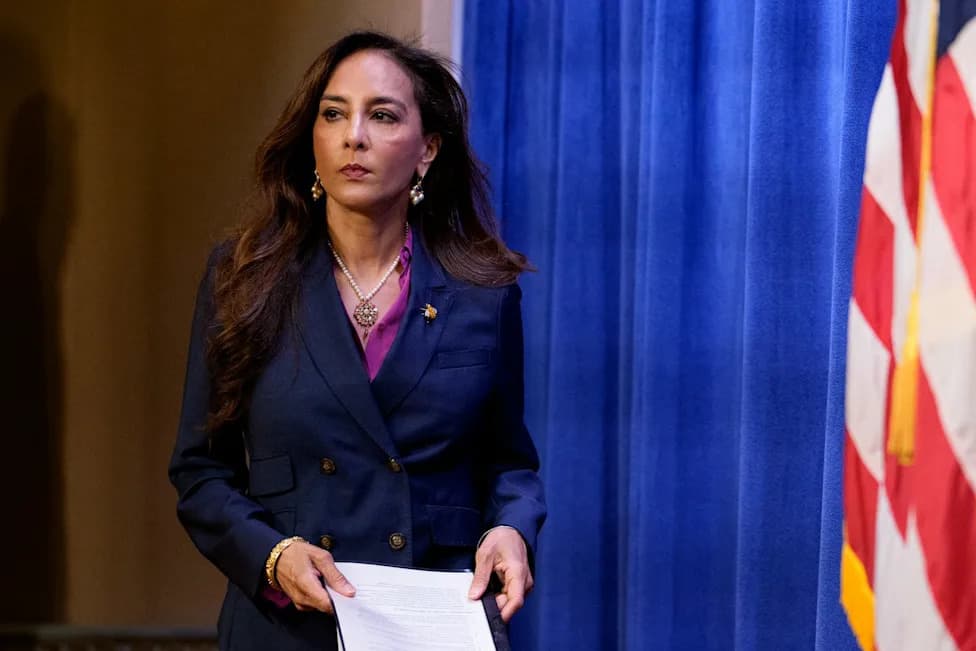
India removed millions of names from voter rolls shortly before key state elections, including more than 9 million deletions in West Bengal. While officials say the purge targets duplicates and deceased voters to protect electoral integrity, critics argue it disproportionately affects Muslim communities and may be tied to a broader campaign against alleged "infiltrators." High-profile cases include a 62-year-old war veteran and an 88-year-old descendant of a constitution illustrator. The Supreme Court allows appeals but did not delay elections, leaving many in legal and civic limbo.
Millions Dropped From India’s Voter Rolls Ahead Of Crucial Elections — Veterans and Founders’ Descendants Among Those Affected
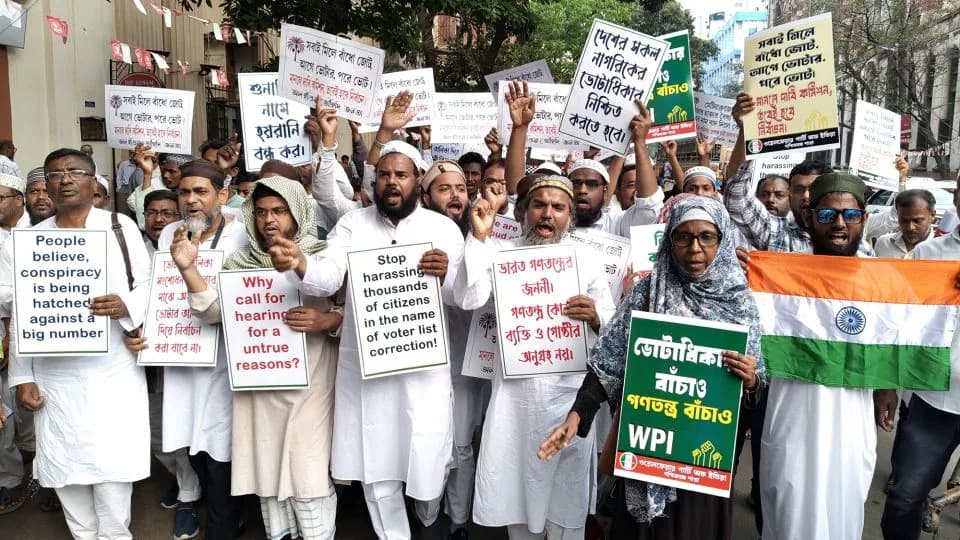
Members of minority communities stage a protest demanding the immediate removal of Chief Election Commissioner Gyanesh Kumar outside the State Election Commission office in Kolkata, West Bengal, India, on March 10. - Debajyoti Chakraborty/NurPhoto/Getty Images
India has removed millions of names from electoral rolls nationwide ahead of a string of high-stakes state elections, leaving many eligible voters — including a war veteran and the descendant of a constitutional illustrator — suddenly unable to vote. The purge has raised accusations that the voter-cleanup disproportionately targets Muslim communities and could presage challenges to affected people’s citizenship.
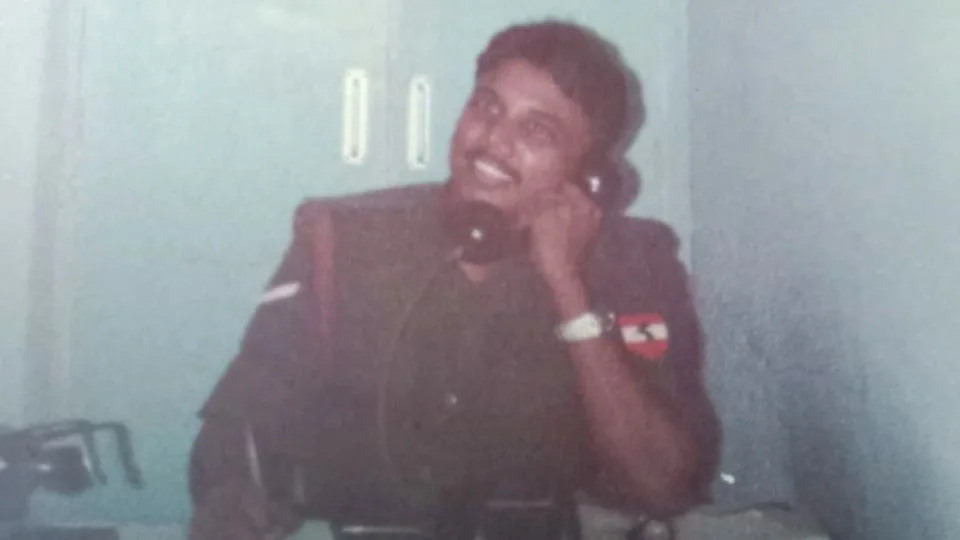
Sadre Alam in the military - Sadre Alam
Who Was Affected
In West Bengal alone, more than 9 million names were deleted from voter lists. Research by the Sabar Institute shows roughly 2.4 million of those entries correspond to deceased people, leaving about 6.7 million other removals whose status is unclear. National deletions number in the millions, but exact figures for eligible voters removed are not publicly available.
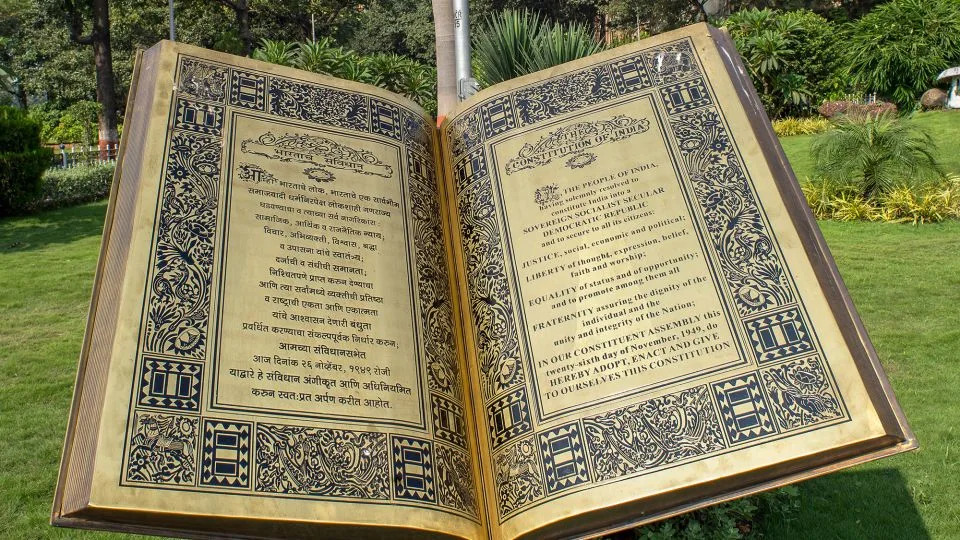
A sculpture of the illustrated Constitution of India in Mumbai. - Dinodia Photos/Alamy
Personal Stories
Sadre Alam, 62, a former soldier who fought in the 1999 conflict with Pakistan, kept a maroon binder of documents — land deeds from the 1920s, proof his parents voted for decades and his army discharge certificate — to prove his right to vote. Days before polling began, he discovered his name was struck from the roll for a "logical discrepancy": a 15-year gap recorded between his and his mother’s ages.
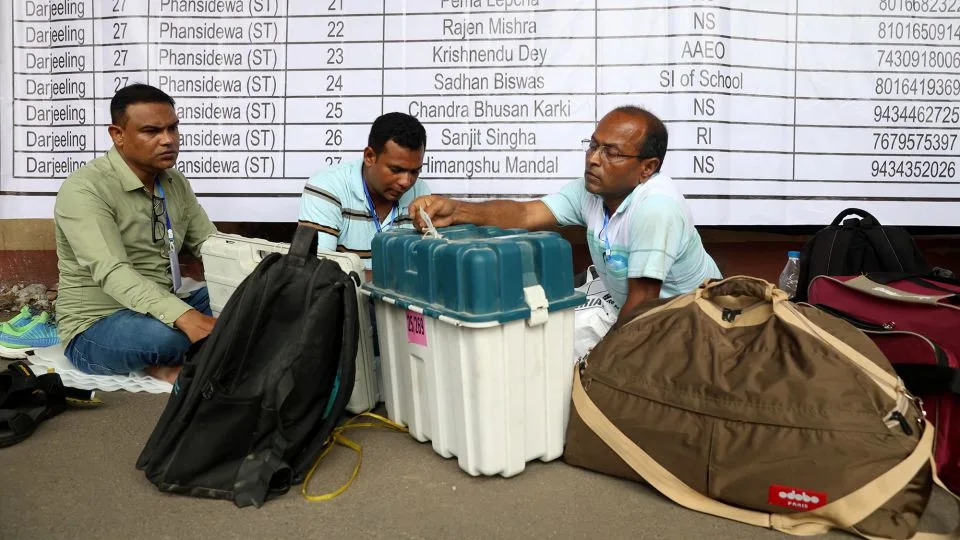
A polling officer checks a polling station list at a distribution center ahead of the first phase of the West Bengal Legislative Assembly election 2026 in Siliguri, on April 22. - Rupak De Chowdhuri/NurPhoto/Getty Images
"It feels strange to think my country is not mine today," Alam said. "Everyone is asking me: 'How did your name get excluded despite being in the army?'"
Suprabuddha Sen, 88, whose grandfather contributed illustrations to India’s constitution and whose family helped design the national emblem, also found himself and his wife removed without explanation. The couple provided graduation records, pension documents and an expired passport; only after appealing to the Supreme Court were their names restored.
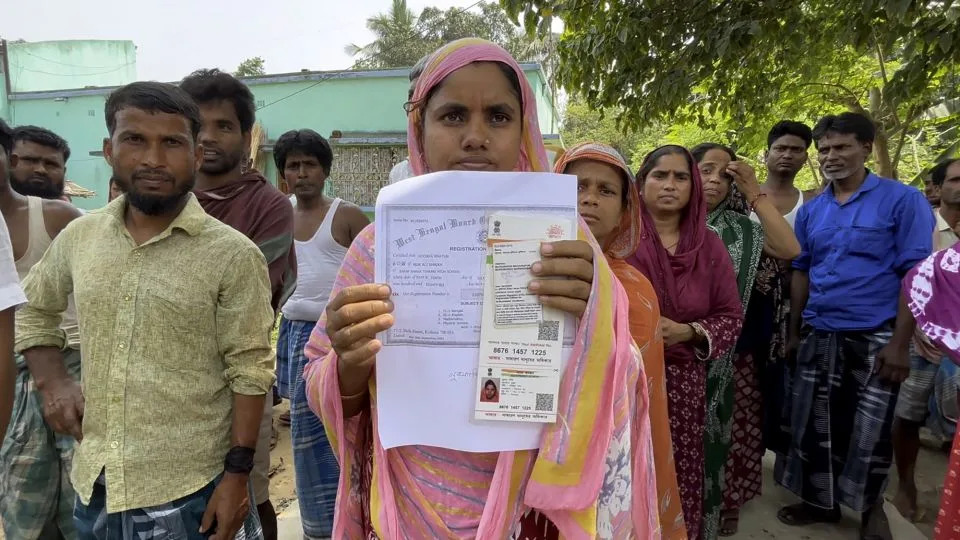
Noorfa Bibi shows her documents in Murshidabad district, West Bengal, April 23. - Esha Mitra/CNN
Allegations and Official Rationale
The ruling Bharatiya Janata Party (BJP) and some officials say the roll clean-up is necessary to remove duplicates, deceased voters and other errors and to protect electoral integrity. Critics, however, accuse the Election Commission of India (ECI) of enabling a campaign that advances the BJP’s agenda and weakens political representation of Muslim voters. The Sabar Institute reports that 34% of the names removed in West Bengal were Muslim, while Muslims make up about 27% of the state’s population.
Home Minister Amit Shah has linked the roll clean-up to efforts to identify and remove "infiltrators," saying in parliament that authorities will "detect, delete, and deport" illegal immigrants. That rhetoric, especially in border districts such as Murshidabad, has fueled fears that being struck from the voter list could precede challenges to an individual’s citizenship.
Legal And Political Fallout
India’s Supreme Court has affirmed that people removed from rolls have the right to appeal but has also ruled that election timetables should not be delayed. Many affected voters report being given no clear explanation by local booth-level officers (BLOs) and face inconsistent or slow remedies. Activists and local residents say the uncertainty has created anxiety and a sense of disenfranchisement ahead of vote counting.
Why It Matters
Election outcomes in several southern and eastern states will test the BJP’s ability to expand into regions where it has historically struggled. The timing and scale of the voter-roll purge, combined with concerns about selective exclusions and citizenship implications, have made the issue a flashpoint for debates about democracy, minority rights and electoral fairness in India.
As the results are tallied, millions remain in limbo, uncertain whether their right to vote or their status as Indian citizens is secure.
Help us improve.