The Election Security Group (ESG), a joint NSA and U.S. Cyber Command unit that has coordinated countermeasures against foreign election interference since 2020, has not been activated ahead of the 2026 midterms. Lawmakers including Sen. Angus King called the apparent dormancy a major national security concern. Agencies say they continue to track threats through other authorities, but former officials warn the ESG’s absence could leave the public vulnerable to disinformation. The decision to stand up the ESG remains a key question for officials in the coming weeks.
Key U.S. Cyber Team Still Dormant Ahead Of 2026 Midterms, Lawmakers Warn
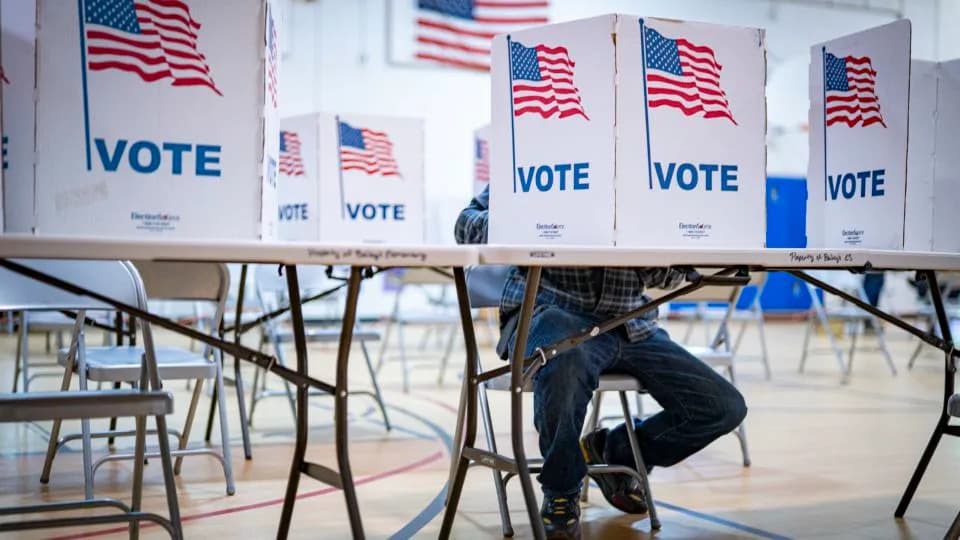
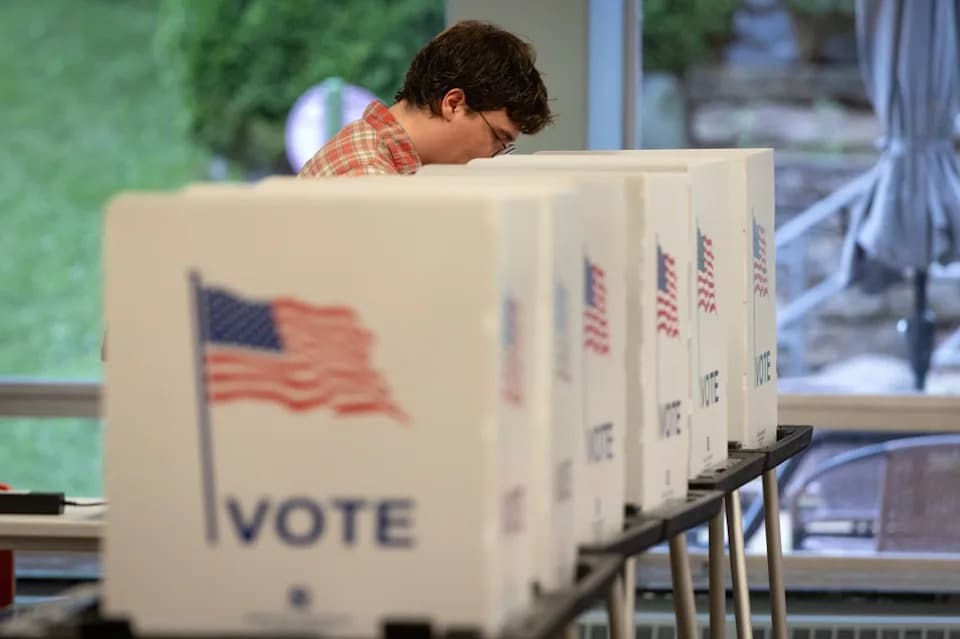
People cast their votes at the Bailey's Elementary School polling location in Falls Church, Virginia on April 21. - Maxine Wallace/The Washington/Getty Images
U.S. military and intelligence officials have not yet activated the Election Security Group (ESG), a joint NSA–U.S. Cyber Command unit that has coordinated countermeasures against foreign election interference since 2020. The apparent dormancy ahead of the 2026 midterms has drawn concern from lawmakers, former Cyber Command personnel and election security experts.
What the ESG Does
The Election Security Group brings together the National Security Agency (NSA) and U.S. Cyber Command to share intelligence, track foreign influence operations, and, when authorized, take disruptive actions overseas to blunt propaganda and cyber threats aimed at U.S. voters. The ESG has been credited with operations targeting Russian and Iranian campaigns that sought to influence prior elections.
Current Status And Responses
Former officials and lawmakers said the ESG is typically established, staffed and briefing Congress months before Election Day. But at a Senate hearing this week, new leaders at NSA and Cyber Command indicated the group had not yet been stood up for the 2026 cycle.
“I don’t know that an ESG has been established yet, but we are prepared to, as required,” Gen. Joshua Rudd said in response to a question from Sen. Mazie Hirono.
Both organizations told CNN they continue to track and counter foreign threats to U.S. elections through other authorities and tools, but their public statements did not directly confirm whether the ESG itself has been activated.
Why Analysts And Former Officials Are Concerned
Lawmakers voiced alarm. Sen. Angus King (I-Maine) called the failure to stand up the ESG “a major national security mistake.” Former Cyber Command staff described the ESG as one of the most impactful missions they participated in, arguing it combines the NSA’s intelligence capabilities with Cyber Command’s authorities.
Experts warn the greater risk may be the public perception of interference: misinformation and conspiracy theories can spread quickly and shape political responses, even when the technical influence is limited. As one former official put it, the country could be “partially blind to foreign influence” without the ESG in operation.
Broader Context
CNN has reported that other federal units across agencies such as the FBI and the Departments of Homeland Security and State have been downsized or disbanded, reducing some government-wide capacity to counter influence operations. The 2025 intelligence assessment, the first under Director of National Intelligence Tulsi Gabbard, did not explicitly list foreign threats to U.S. elections for the first time since 2016, though it warned adversaries will use artificial intelligence to amplify disinformation.
Capabilities, Authorities And Politics
Officials say NSA and Cyber Command have budgets and tools available to counter election threats if directed to do so, and there is bipartisan support in Congress for using offensive cyber measures against foreign actors targeting U.S. democracy. Sen. Dan Sullivan (R-Alaska) urged that the U.S. should be willing to “flex a little offensive cyber capability” in response to hostile foreign cyber operations.
Outlook
Observers say the key issue is whether leadership will authorize and prioritize the ESG this election cycle. If the group remains dormant, critics warn the U.S. may be slower to detect and disrupt foreign influence campaigns and more vulnerable to the political consequences of disinformation.
Help us improve.