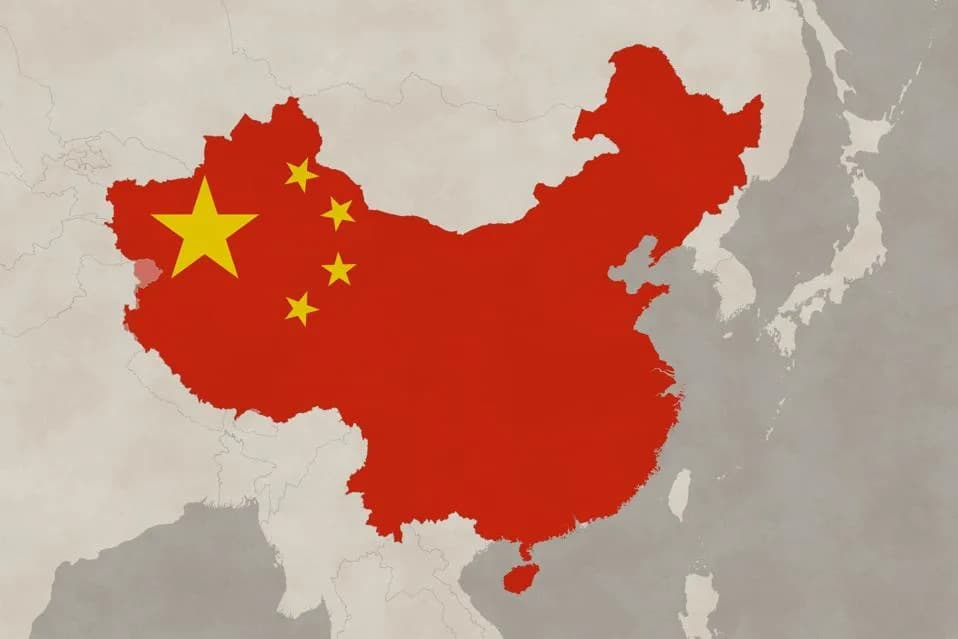
The Connected Vehicle Security Act, introduced by Sens. Bernie Moreno and Elissa Slotkin, would ban Chinese-made cars, parts and connected vehicle software from the U.S., and extend restrictions to products tied to other adversarial nations. The bill aims to codify and expand last year’s Commerce Department Connected Vehicle Rule, closing loopholes that could permit temporary or indirect imports. Backed by labor and major automakers, sponsors cite national security and unfair competition as primary reasons for the proposal.
Bipartisan Bill Would Bar Chinese-Made Cars, Parts and Software From U.S. Market
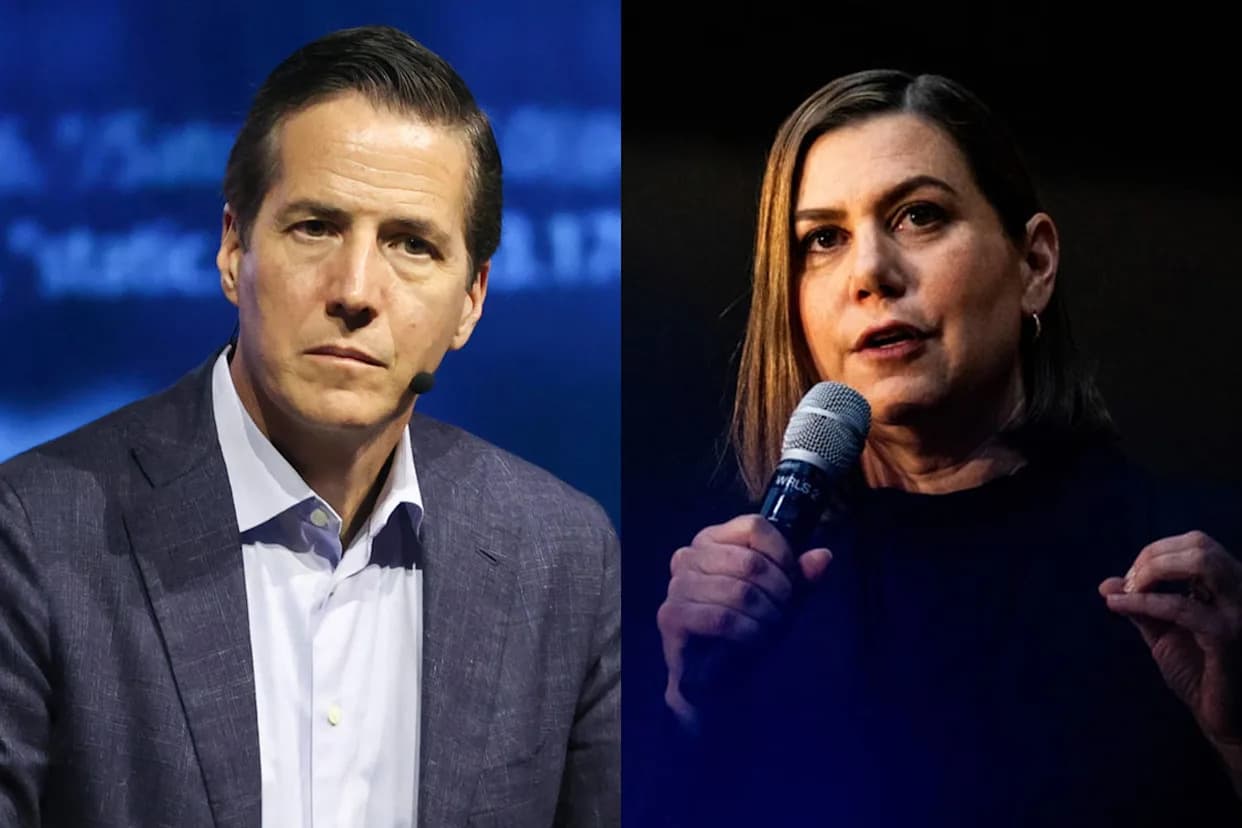
Sen. Bernie Moreno, R-Ohio; Sen. Elissa Slotkin, D-Mich. (Bloomberg via Getty Images file)(Bloomberg via Getty Images file)
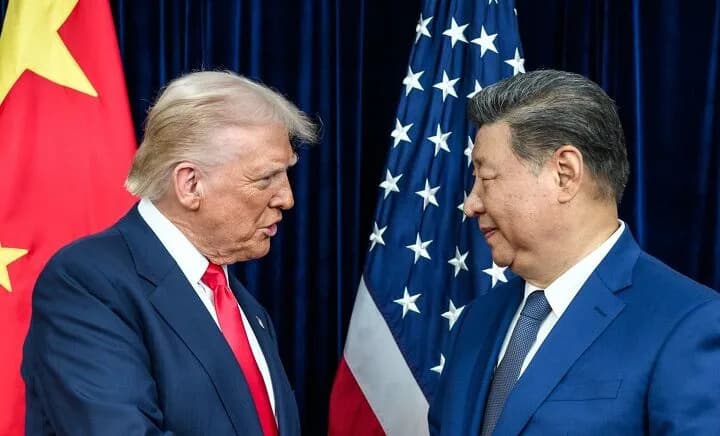
Two bipartisan senators on Wednesday unveiled legislation that would prohibit the import of Chinese-made vehicles, auto parts and connected vehicle software, in a move timed weeks before President Donald Trump’s planned summit with Chinese President Xi Jinping.
Senators Bernie Moreno (R-Ohio) and Elissa Slotkin (D-Mich.) introduced the Connected Vehicle Security Act, which would block automobiles, components and vehicle software produced in China or in partnership with Chinese entities — and extend similar restrictions to products tied to other designated adversarial nations — from entering the U.S. market.
The Commerce Department issued a Connected Vehicle Rule last year that limited such vehicles and parts from U.S. supply chains. Moreno and Slotkin say their bill is needed to codify and broaden that rule into statute, closing loopholes that might allow temporary imports or indirect entry through third parties.
More than 70 House Democrats recently signed a letter urging President Trump to prevent Chinese automakers from entering the U.S. ahead of his meeting with Xi. In January, Trump had signaled some openness to allowing Chinese automakers into the U.S. market while speaking at the Detroit Economic Club; Slotkin said the upcoming summit was the immediate impetus for introducing the bill now.
"We are watching very closely what deals come out of that summit," Slotkin said.
Moreno said the measure builds on the Commerce Department rule by covering the full supply chain and explicitly banning the importation of the vehicles themselves — even temporarily. "We are hermetically sealing the U.S. market from the Chinese auto industry," he told reporters, emphasizing protection for U.S. manufacturers and workers.
The bill has support from labor groups and automakers, including General Motors. United Auto Workers President Shawn Fain praised the proposal, saying it places "common-sense guardrails on a major threat to our nation's auto industry." The measure is being pitched both as a national security safeguard and a way to prevent unfair competition that could undercut U.S. automakers.
Lawmakers have raised specific national security concerns about internet-connected vehicles made or controlled by companies tied to adversarial governments, warning such cars could enable remote surveillance or data collection. Slotkin warned that these vehicles could function as "TikTok on wheels," arguing policymakers must weigh price pressure against security risks.
Separately, global developments such as the war in Iran have pushed fuel prices higher, which could increase consumer demand for lower-cost electric vehicles. China already commands a large share of the global electric vehicle market, heightening concerns that cheaper imports could rapidly gain U.S. market share if allowed.
The Connected Vehicle Security Act is positioned as a preemptive step to protect national security and American auto industry jobs while Congress and the administration consider the broader trade and security relationship with China.
Help us improve.