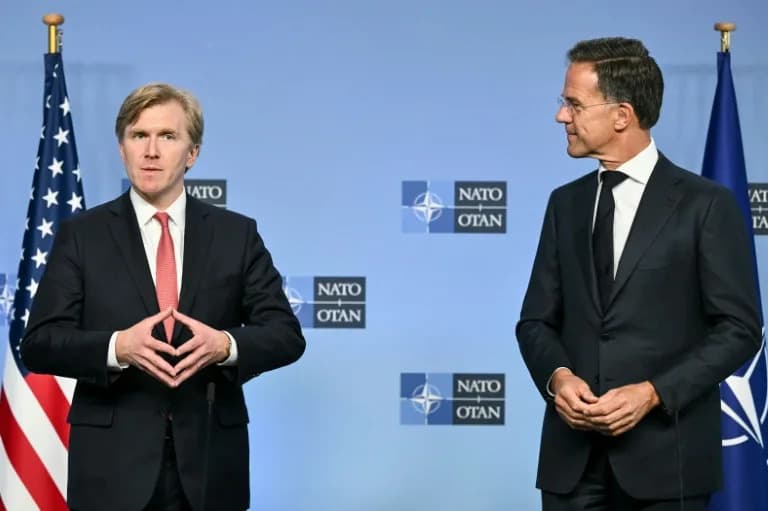
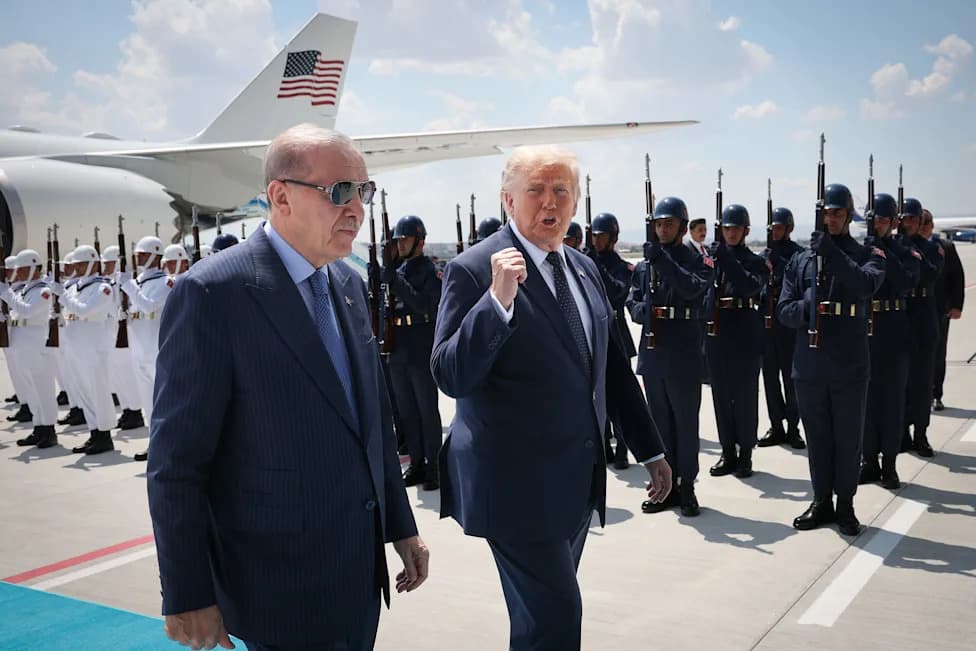
President Donald Trump said he is weighing a reduction of U.S. troops stationed in Germany and indicated a decision would come "over the next short period of time." Germany hosts more than 36,000 active-duty U.S. troops and key commands, including USEUCOM, USAFRICOM and Ramstein Air Base. The announcement follows public friction with Chancellor Friedrich Merz and broader NATO tensions tied to the U.S.-Iran conflict. A 2023 law requires Congressional approval before the U.S. can withdraw from NATO, and a prior 2020 plan to pull about 12,000 troops was later reversed by President Biden.
Trump Floats Reducing U.S. Troops in Germany Amid Rift With Chancellor and NATO
President Donald Trump said on Wednesday that he is considering a reduction in the number of U.S. forces stationed in Germany, escalating public tensions with German Chancellor Friedrich Merz and raising questions within the NATO alliance over the U.S. response to the conflict with Iran.
"The United States is studying and reviewing the possible reduction of Troops in Germany, with a determination to be made over the next short period of time," he wrote on Truth Social.
The United States maintains a substantial military presence in Germany that dates back to World War II and the Cold War. According to Defense Department figures, as of last December more than 36,000 active-duty troops were assigned to bases across Germany, along with roughly 1,500 reservists and about 11,500 U.S. civilian personnel. Only Japan hosts a larger number of U.S. troops overseas.
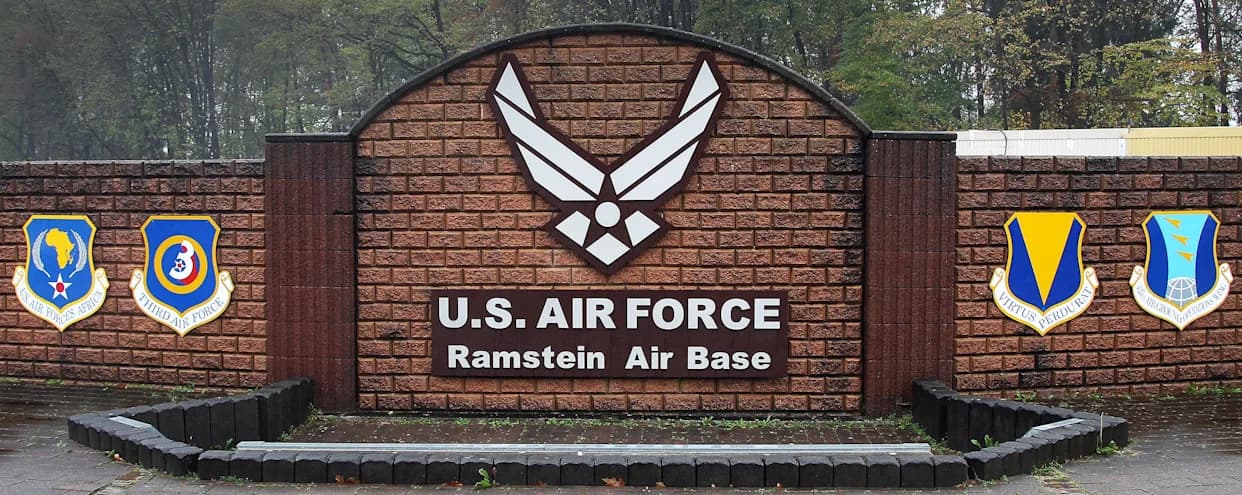
Germany also hosts the headquarters of U.S. European Command (USEUCOM) and U.S. Africa Command (USAFRICOM), and Ramstein Air Base remains a central hub for American operations and logistics in Europe and beyond.
Mr. Trump has voiced growing frustration with several European allies that have sought to distance themselves from the U.S. approach to the Iran conflict. He has criticized NATO as a "paper tiger" and has suggested the United States might withdraw — though a 2023 law requires Congressional approval before any president can unilaterally withdraw the United States from NATO.
The disagreement with Germany intensified this week after Chancellor Merz publicly criticized U.S. handling of the Iran situation, saying "the Americans clearly have no strategy" and suggesting U.S. negotiators were being "humiliated" by Iran. In response, Mr. Trump accused Merz on social media of supporting a path that would allow Iran to obtain a nuclear weapon and said Germany was performing poorly economically.
This is not the first time Mr. Trump has proposed moving troops out of Germany. In 2020 he announced plans to withdraw about 12,000 troops, a move that drew bipartisan criticism and was later reversed by President Joe Biden. Last fall, U.S. officials said roughly 700 service members stationed in Germany, Romania and Poland were being returned to the United States as part of a broader posture rebalance. U.S. Army Europe and Africa described that shift as a deliberate effort to maintain a balanced force posture, not a withdrawal from Europe or a reduction in commitment to NATO.
Analysts say any significant troop reduction would carry strategic, political and logistical consequences: it could complicate NATO cohesion, alter deterrence dynamics in Europe, and affect operations that rely on German bases and infrastructure. The White House offered no timetable or specific plans beyond Mr. Trump's statement that a determination will be made in the "next short period of time."
Help us improve.