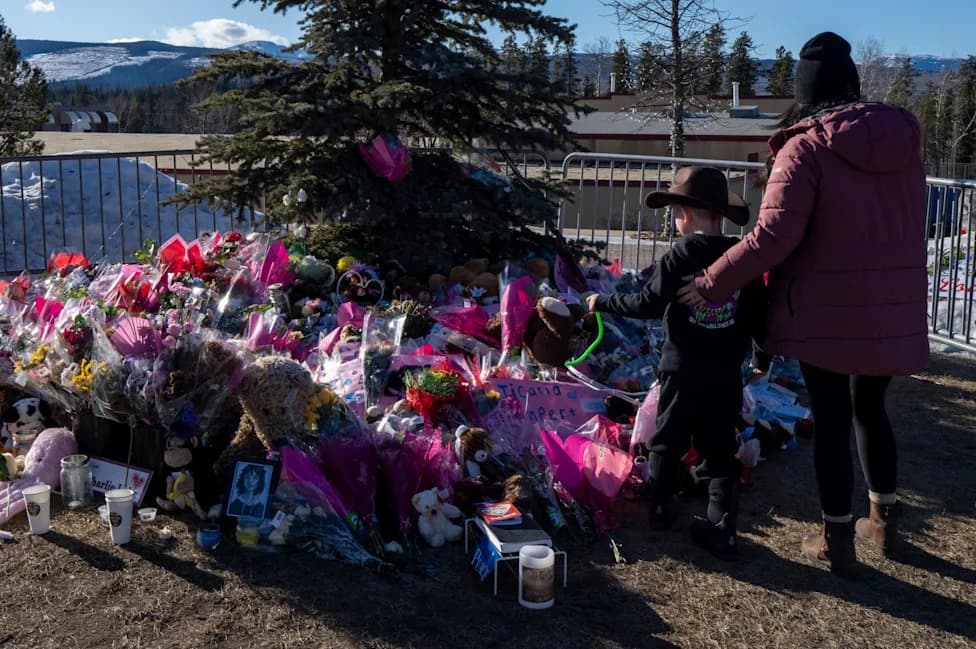
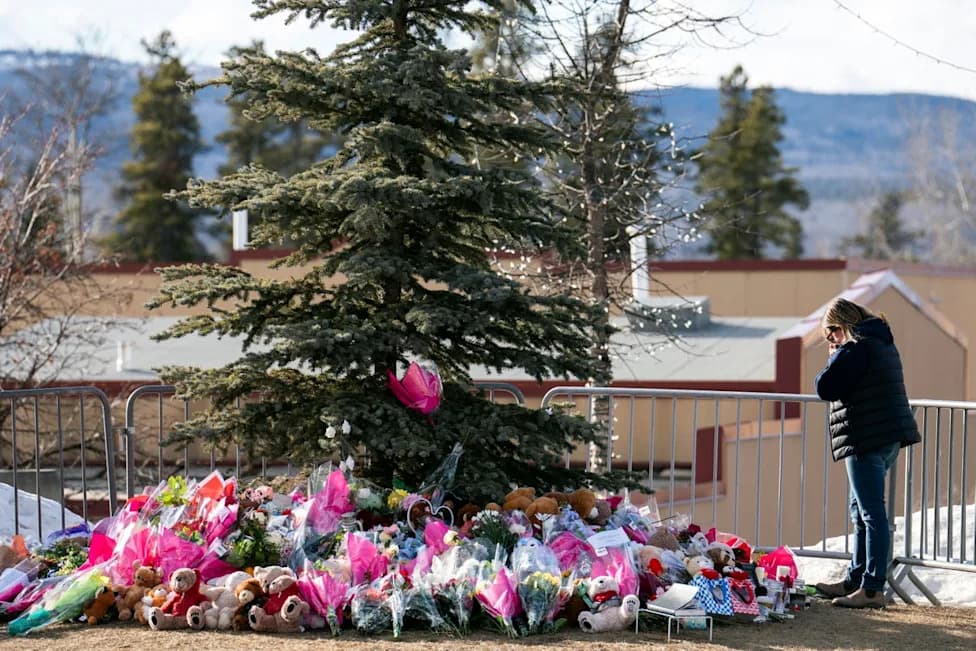
Seven lawsuits were filed in U.S. federal court accusing OpenAI of failing to alert police about troubling ChatGPT activity linked to Jesse Van Rootselaar, who authorities say killed eight people in Tumbler Ridge in February. Plaintiffs claim OpenAI avoided reporting because it would have to flag many accounts and that the company provides guidance to bypass suspensions. OpenAI says it has since strengthened safeguards and that current policies would have flagged the conduct. A cross-border legal team plans to file more than two dozen additional cases in the coming weeks.
OpenAI Hit With ‘Waves’ Of U.S. Lawsuits Over Tumbler Ridge Mass Shooting
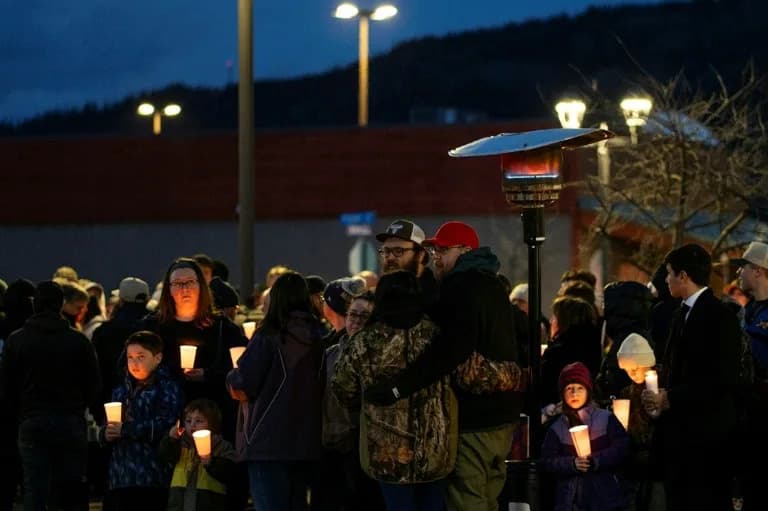
Community members mourn for the victims of the mass shooting in the Canadian town of Tumbler Ridge in February 2026 (Paige Taylor White)(Paige Taylor White/AFP/AFP)
Seven separate lawsuits were filed on Wednesday in a U.S. federal court in California accusing OpenAI of failing to notify authorities about troubling interactions on ChatGPT tied to Jesse Van Rootselaar, an 18-year-old who authorities say killed eight people in Tumbler Ridge, British Columbia, in February.
The complaints, brought on behalf of families affected by the shooting, allege OpenAI banned Van Rootselaar’s account in June 2025 but did not report the account to Canadian police because doing so would, the plaintiffs claim, require the company to report "thousands" of similar cases. The filings also challenge OpenAI’s portrayal of the account suspension, saying the company provides guidance that allows users to bypass a 30-day suspension and to create new accounts using different email addresses.
Plaintiffs say Van Rootselaar opened a second ChatGPT account after the initial suspension. The U.S. legal team is coordinating with Canadian lawyers who previously filed suit on behalf of the family of Maya Gebala, a 12-year-old who was seriously injured in the attack; the plaintiffs’ statement says the U.S. actions will "supersede" the earlier Canadian case.
OpenAI Response
OpenAI has acknowledged the incident and CEO Sam Altman issued an apology to the Tumbler Ridge community, saying he "was deeply sorry that we did not alert law enforcement to the account that was banned in June." An OpenAI spokesperson told reporters the company enforces a "zero-tolerance policy for using our tools to assist in committing violence" and noted that its safety policies have been strengthened since June.
"We have already strengthened our safeguards, including improving how ChatGPT responds to signs of distress," the company said in response to the filings.
What the Lawsuits Say
The complaints allege that OpenAI opted not to notify police in part because reporting one case would set a precedent that could require notifying authorities about many accounts. They also allege the company instructs suspended users how to resume access or create new accounts to avoid the suspension window.
Incident Details
According to authorities, Van Rootselaar first killed her mother and brother at the family home, then traveled to the local secondary school where five children and a teacher were shot dead. She died of a self-inflicted gunshot wound after police entered the building.
The plaintiffs have signaled that more filings are coming: a cross-border legal team said it plans to file "over two dozen" additional cases in the coming weeks, describing the filings as being made in "waves."
This case raises complex legal and ethical questions about platforms’ responsibilities to detect and report threats and about how companies balance user privacy, automated safety systems, and obligations to public safety.
Help us improve.