The Iran conflict should sharpen U.S. focus on Taiwan rather than divert it. Taiwan has adopted a “porcupine” defense posture — including plans for nearly 50,000 drones by 2027 — and invested in mobile anti‑ship systems and naval drones to survive initial strikes. Economically, the U.S. is now Taiwan’s top export market and TSMC’s Arizona investment (about $165B) is rebuilding semiconductor capacity on U.S. soil. Washington should speed military transfers, enable joint production of uncrewed systems, finalize trade chapters and support a Maritime Contingency Fund to integrate Taiwan as an active security partner.
Iran Is a Reminder — Not an Excuse: Keep Taiwan Central to U.S. Strategy
The conflict in Iran should sharpen U.S. attention on long‑term priorities in the Western Pacific, not divert it. America’s campaign in the Middle East underscores how vital allies are to U.S. strategy across military, economic and technological domains. Equally important is recognizing Taiwan’s central contribution to that strategy and accelerating the partnerships required to sustain it.
Why Taiwan Matters
Taiwan is not merely a rhetorical partner: it has become a substantive contributor to American power. Over the past two years Taipei has focused on the most decisive phase of any potential confrontation — surviving the opening strike. By hardening defenses and investing in asymmetric approaches, Taiwan aims to blunt a first Chinese offensive and buy the United States time to mount a coordinated response.
Tactical Shifts: The Porcupine Strategy
Taipei’s shift toward a “porcupine” defense is visible and concrete. In July 2025 the Ministry of National Defense announced an ambitious plan to acquire nearly 50,000 drones by 2027, with the explicit goal of fielding large numbers of expendable systems that could make the Taiwan Strait an “unmanned nightmare” for an invading fleet. Taiwan’s strength in semiconductor manufacturing gives its domestic drone sector important advantages for scale and innovation.
Concurrently, Taiwan is investing in mobile Hsiung Feng anti‑ship missiles, indigenous minelaying vessels and naval drones designed to survive initial missile barrages and remain operational after traditional air and naval assets have been degraded. The intent is to make any amphibious assault prohibitively costly for Beijing and to extend the period Taiwan can hold out under pressure.
Economic And Technological Contributions
Beyond the battlefield, Taiwan is strengthening U.S. economic and technological security. For the first time in 26 years, the United States imported more goods from Taiwan than from China, and the U.S. became Taiwan’s largest export market in a quarter‑century. These shifts reflect a strategic realignment in trade as much as commerce.
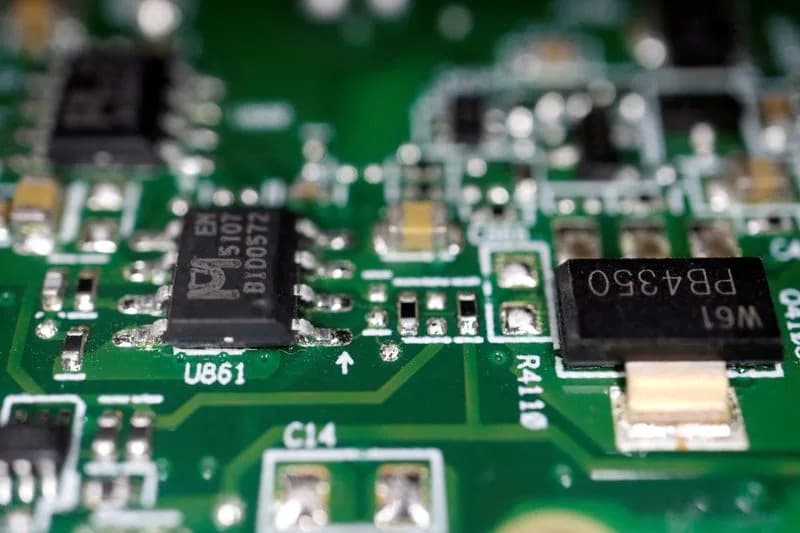
The centerpiece of U.S.‑Taiwan cooperation remains semiconductor industrialization on American soil. Taiwan Semiconductor Manufacturing Company (TSMC) has expanded its Arizona investment to approximately $165 billion, and its first Arizona fab entered high‑volume production in late 2024. The February 2026 Taiwan‑U.S. trade agreement further reinforced commitments to rebuild critical industrial capacity in the United States.
Policy Recommendations
To translate Taiwan’s contributions into lasting U.S. advantage, Washington should take several practical steps:
- Accelerate Military Transfers: Speed deliveries and move toward multi‑year procurement agreements to reduce harmful backlogs and uncertainty.
- Build A Shared Unmanned Industrial Base: License Taiwanese drone designs for U.S. production and reciprocally produce U.S. designs in Taiwan to bypass slow Foreign Military Sales processes and achieve mass at scale.
- Complete Trade Initiatives: Finalize the remaining chapters of the U.S.‑Taiwan 21st Century Trade Initiative to remove duties and tax barriers that discourage Taiwanese investment in U.S. supply chains, particularly in advanced packaging and chemical inputs.
- Establish A Maritime Contingency Fund: Support a regional fund to which Taiwan could contribute, financing hardened infrastructure — runways, fuel depots, logistics hubs — in neighbors such as the Philippines to bolster collective defense in the First Island Chain.
These measures would convert Taiwan from a valuable partner into an integrated, resilient pillar of Indo‑Pacific deterrence.
Conclusion
Taiwan is a linchpin of American security in the Indo‑Pacific and a driver of regional freedom. The war in Iran should reinforce — not distract from — the imperative of deepening military, economic and industrial ties with Taipei. Short‑term diplomatic gestures that undermine that partnership would be both strategically unwise and unnecessary.
About the author: Seth Cropsey is founder and president of Yorktown Institute. He served as a naval officer and as Deputy Undersecretary of the Navy and is the author of Mayday and Seablindness.
Help us improve.