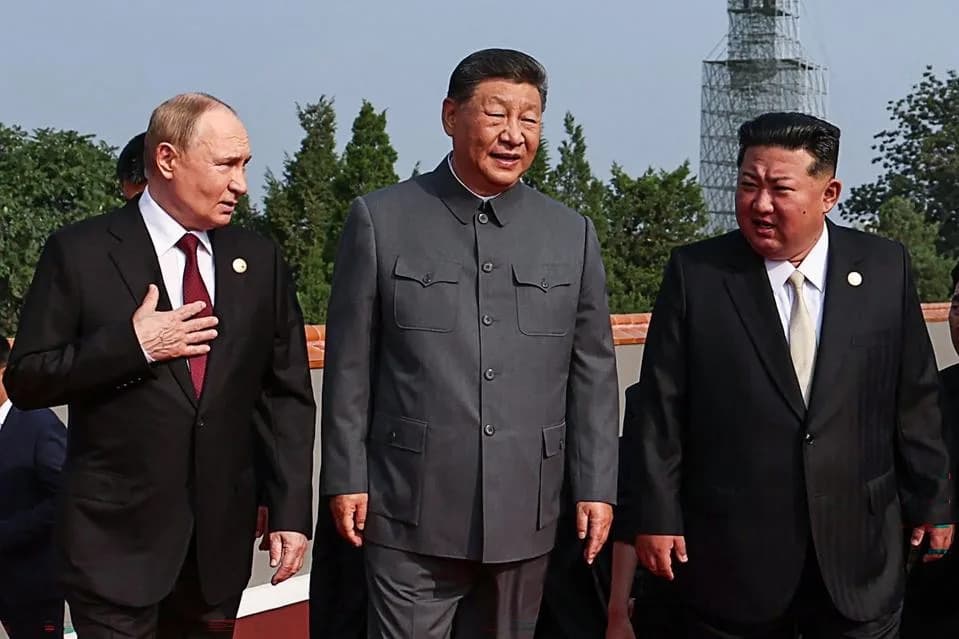
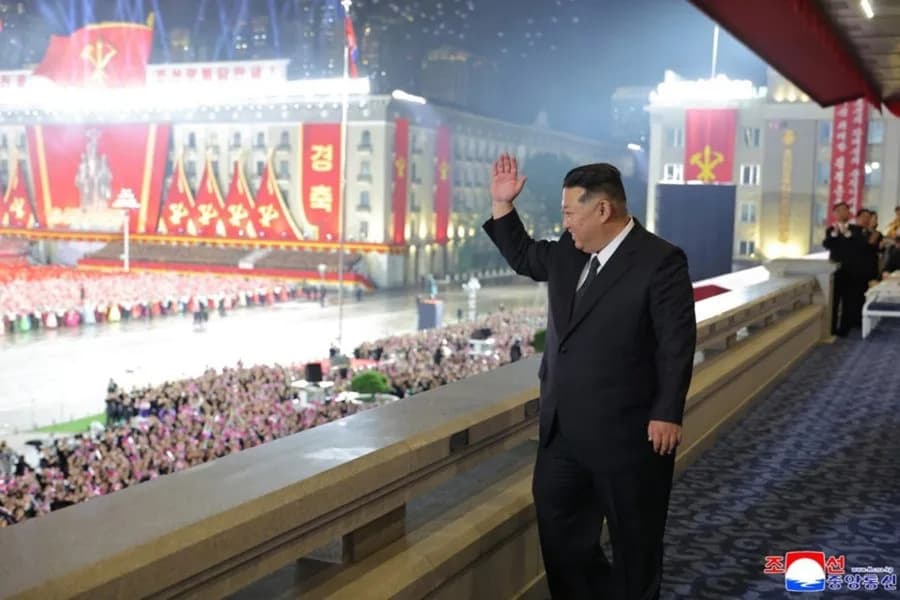
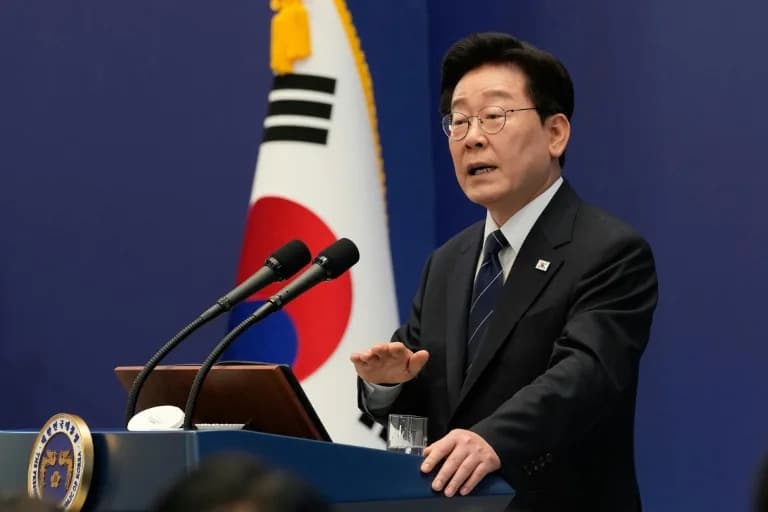
North Korea is deepening ties with China and Russia while distancing itself from Iran to build leverage and legitimacy. Kim Jong Un seeks U.S. recognition of North Korea as a nuclear-armed state to bolster regime stability. Stronger ties with Beijing and Moscow—including arms transfers to Russia and a mutual-defense pact with Moscow—complicate U.S. efforts to reverse Pyongyang’s trajectory. While Donald Trump retains a personal rapport with Kim, recent U.S. actions to counter Iran’s nuclear program highlight Washington’s reluctance to legitimize illicit nuclear development.
Why North Korea Is Sprinting Toward China and Russia — And What Kim Hopes to Gain From Trump
North Korea is rapidly reshaping its principal international alignments, drawing closer to Beijing and Moscow while cooling ties with Tehran. Supreme Leader Kim Jong Un appears to be pursuing a two-part strategy: secure formal backing from major powers and press Washington for de facto recognition of Pyongyang’s nuclear status.
What Pyongyang Wants
Analysts say North Korea’s primary objective is simple: attain recognition as a nuclear-armed state to cement regime stability and domestic legitimacy. As Kim Jong-won of the Institute for National Security Strategy told the Korea Times, "The entire goal for the North is to be recognized as a nuclear state and therefore to secure regime stability."
"We have no reason not to get along with the United States if it respects our country’s current status, as defined in the North Korean constitution, and drops its hostile policy toward North Korea," Kim said at the Ninth Congress of the Workers’ Party of Korea. "The prospects of North Korea-U.S. relations entirely depend on the attitude of the U.S."
Building Leverage With Beijing And Moscow
Pyongyang has strengthened ties with China and Russia to create strategic leverage. Beijing renewed its 1961 Treaty of Friendship, Cooperation, and Mutual Assistance in 2021, extending formal ties for another two decades. That renewal underscored a closer Sino–North Korean alignment.
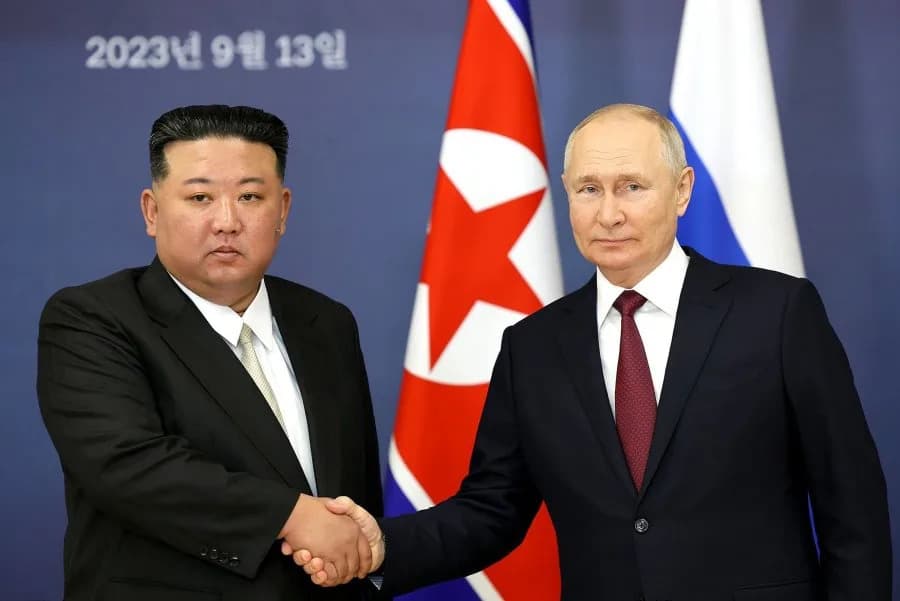
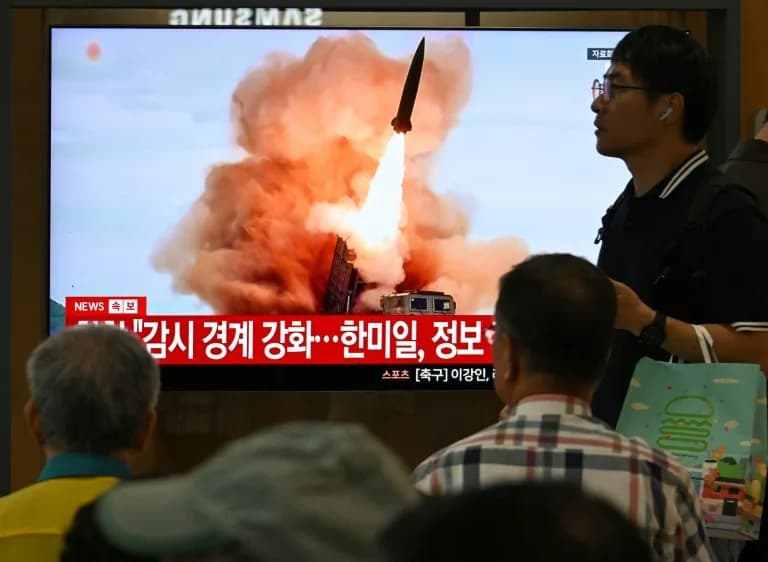
After meeting Vladimir Putin near Vladivostok in September 2023, North Korea began supplying Russia with artillery shells, short-range ballistic missiles and reportedly manpower related to the conflict in Ukraine. Putin’s subsequent visit to Pyongyang the following June culminated in a treaty that included a mutual-defense clause and upgraded relations to a "Comprehensive Strategic Partnership." Together, these ties complicate Washington’s options for pressuring Pyongyang.
Kim’s Calculus With Washington
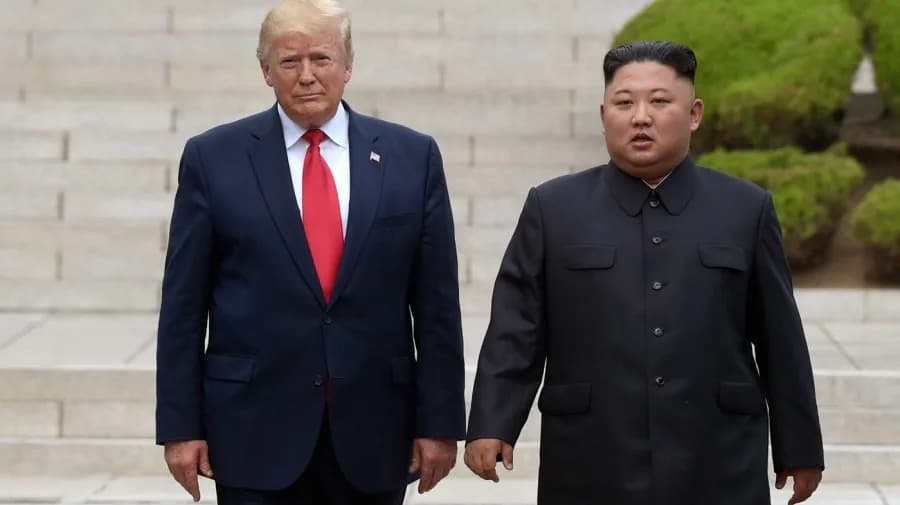
Kim appears to be gambling that the personal rapport former President Donald Trump showed during their earlier summits could translate into U.S. recognition or a loosening of pressure. Trump said recently that he gets along "very well" with Kim and noted the North Korean leader "said very nice things about me." There is speculation in some quarters that the two could meet again, possibly on the margins of a Trump visit to Beijing.
Why Recognition Is Unlikely—And Risky
Even with personal chemistry, geopolitical realities constrain U.S. policy. The Biden and Trump administrations alike have framed nonproliferation as a central priority. The piece also points to recent U.S. strikes on Iranian nuclear facilities—referred to as Operation Midnight Hammers—and an intensified campaign against Tehran after Iranian claims about enriched uranium stocks, signaling Washington’s willingness to act to prevent nuclear breakout.
Those actions suggest the United States may be reluctant to legitimize an illicit weapons program, even if a leader like Trump privately favors engagement. Pyongyang’s deepening security ties with China and Russia, including formal obligations that could be invoked under a mutual-defense clause, make North Korea more likely to be treated as a strategic threat rather than a partner.
Implications And What To Watch
Key near-term indicators to monitor include any planned meetings between Kim and Trump, further treaty or military cooperation announcements with Beijing or Moscow, and changes in North Korean rhetoric or constitutional language around nuclear status. How Washington balances diplomacy, deterrence and alliances in Asia will shape whether Pyongyang’s diplomatic sprint pays off.
Author: Gordon G. Chang is the author of Plan Red: China’s Project to Destroy America and The Coming Collapse of China.
Help us improve.