The article examines the human, economic and political costs of US military engagements from Korea to the recent US‑Israel strikes on Iran. Veterans recount personal hardship while think‑tank analyses estimate direct deaths and trillions in spending since 2001. Short‑term munitions costs and long‑term veterans' obligations combine with rising fuel prices and growing public disapproval to raise difficult questions about future US military policy.
76 Years of US Wars: Human Toll, Trillions Spent and the Iran Flashpoint
[Al Jazeera]
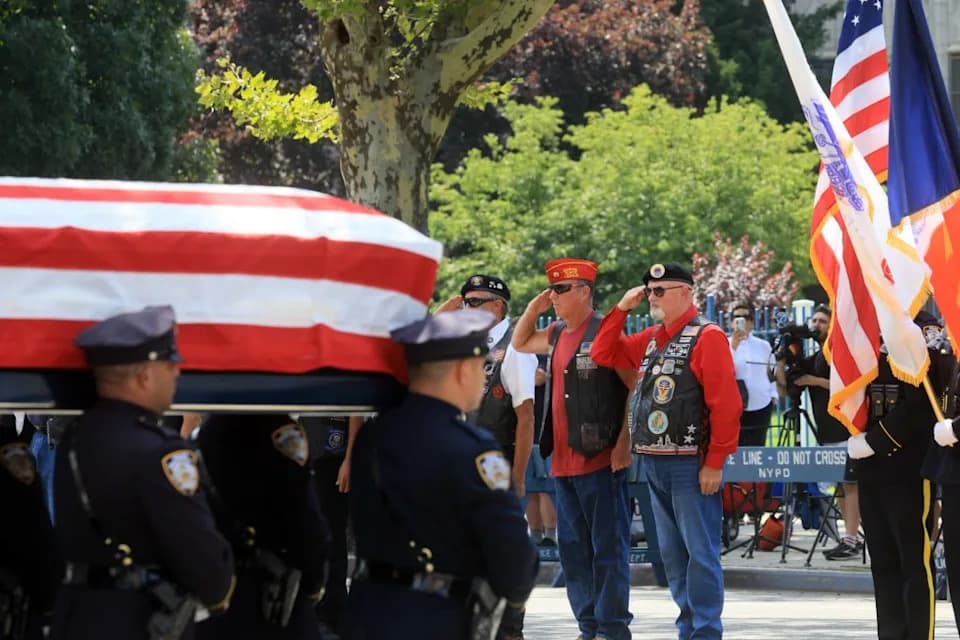
From the powdery "moon dust" of Maidan Shar to the political fallout in Washington, the long arc of US military engagement — from Korea to the recent US‑Israel strikes on Iran — has left deep human, economic and political scars. Veterans, analysts and civilians describe the immediate and long-term costs: lives lost, wounds that never heal, and public resources diverted at home.
[Al Jazeera]
Veterans' Voices: On the Ground and After
Jeffery Camp, 61, a retired US Army veteran who served in Maidan Shar, Afghanistan (2008–2009), remembers dust that "got into your vehicles, your equipment, your lungs," and seasons that swung from searing heat to freezing, windy winters. Camp, who joined the Army in 1983, says service was a calling, not a reaction to crisis. "War is not clean, and the people who bear the longest burden are rarely the ones who made the decisions," he tells Al Jazeera.
INTERACTIVE - economic COST OF US WARS - APRIL 24, 2026 copy 3-1777382933
The Human Cost
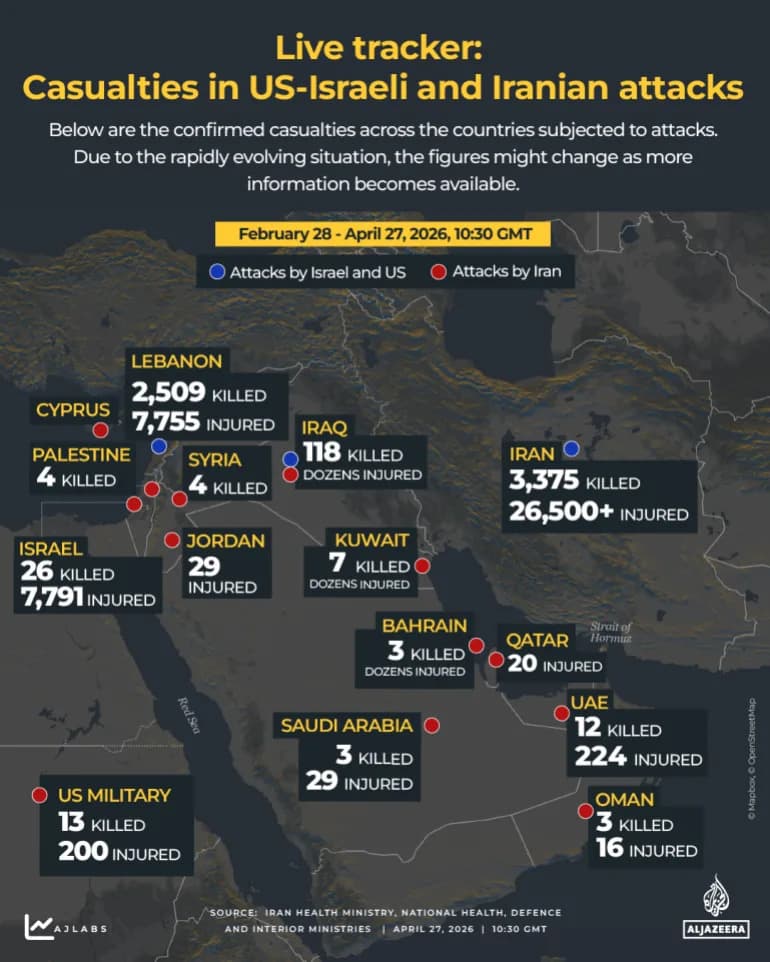
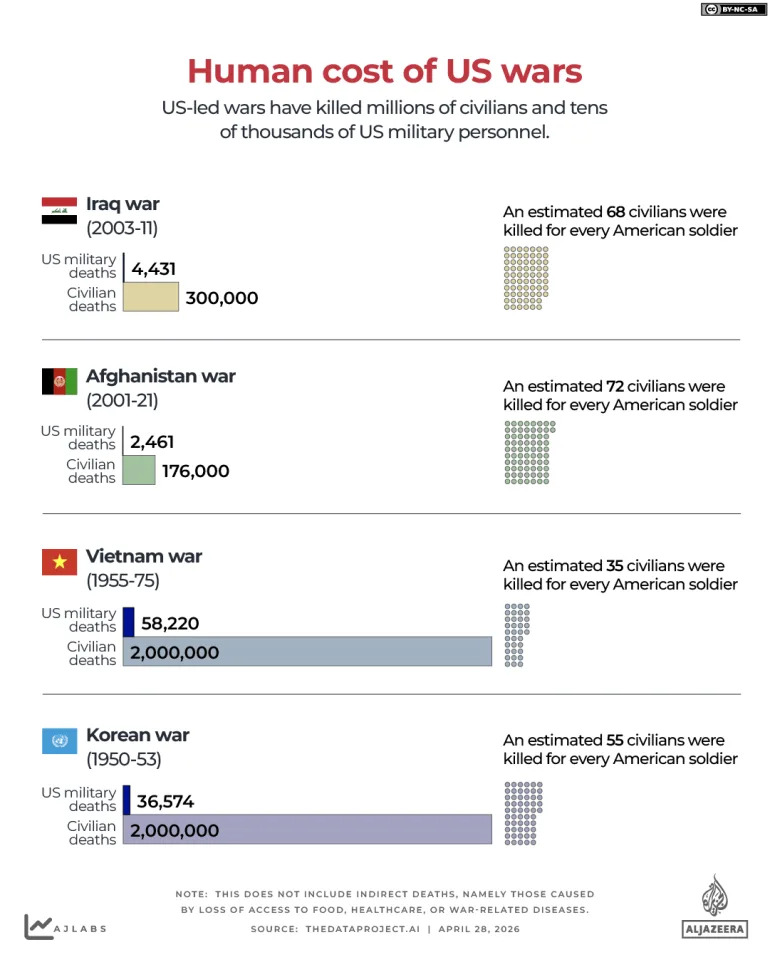
Across two decades in Afghanistan, 2,461 US service members were killed and at least 20,000 wounded. According to the Costs of War Project at Brown University, US‑led campaigns since 2001 have directly caused roughly 940,000 deaths across Afghanistan, Pakistan, Iraq, Syria, Yemen and other post‑9/11 conflict zones. Since February 28, Iran's Ministry of Health reports that US‑Israeli strikes on Iran have killed at least 3,375 people; the US military has confirmed 13 combat‑related deaths among its personnel in the region and more than 200 injuries.
INTERACTIVE - ratings - US WARS - APRIL 24, 2026 copy 2-1777382952
Financial Costs: Immediate and Long-Term
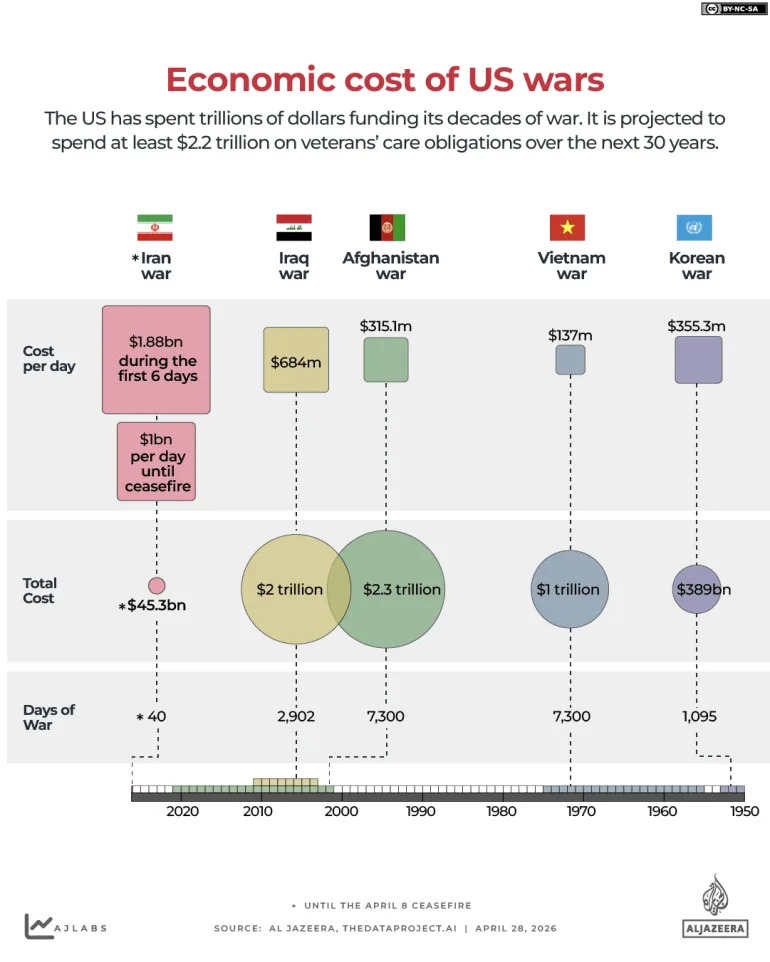
War spending is enormous and complex. The Pentagon reported $11.3 billion spent during the first six days of the Iran conflict; Mark Cancian, a senior adviser at the Center for Strategic and International Studies, estimates the true six‑day total at about $12.7 billion after adding combat losses, infrastructure damage and support costs. Cancian says that after the initial, munitions‑heavy days, spending fell to roughly $500 million per day and later to under $100 million per day during a ceasefire.
INTERACTIVE - fuel cost IN US WARS - APRIL 24, 2026 copy 4-1777384719
By comparison, the Costs of War Project estimates the 20‑year Afghanistan campaign cost about $2.3 trillion (more than $300 million per day average) and the eight‑year Iraq war roughly $2 trillion (about $684 million per day average). The US also faces long‑term obligations: the Costs of War Project projects at least $2.2 trillion in veterans' health care costs over the next 30 years.
Domestic Impact: Families and Households
Personal accounts show domestic consequences beyond the battlefield. Marwa Jadoon, 40, from Oklahoma, says her out‑of‑pocket medical expenses rose by more than 35 percent in recent months after losing her job and applying for state health coverage. She questions why tax dollars fund overseas military action while many Americans struggle to afford basic health care and living costs.
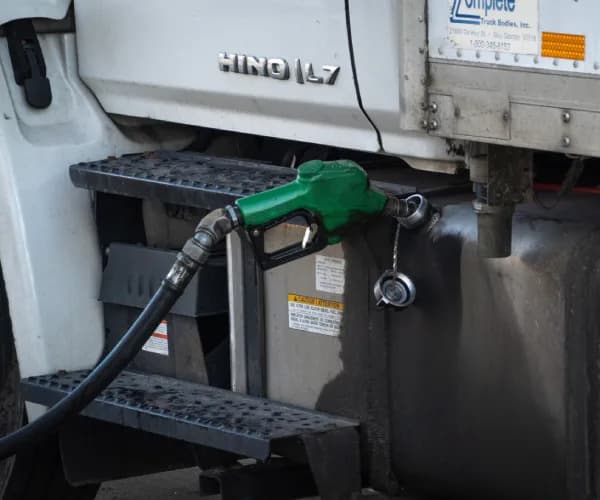
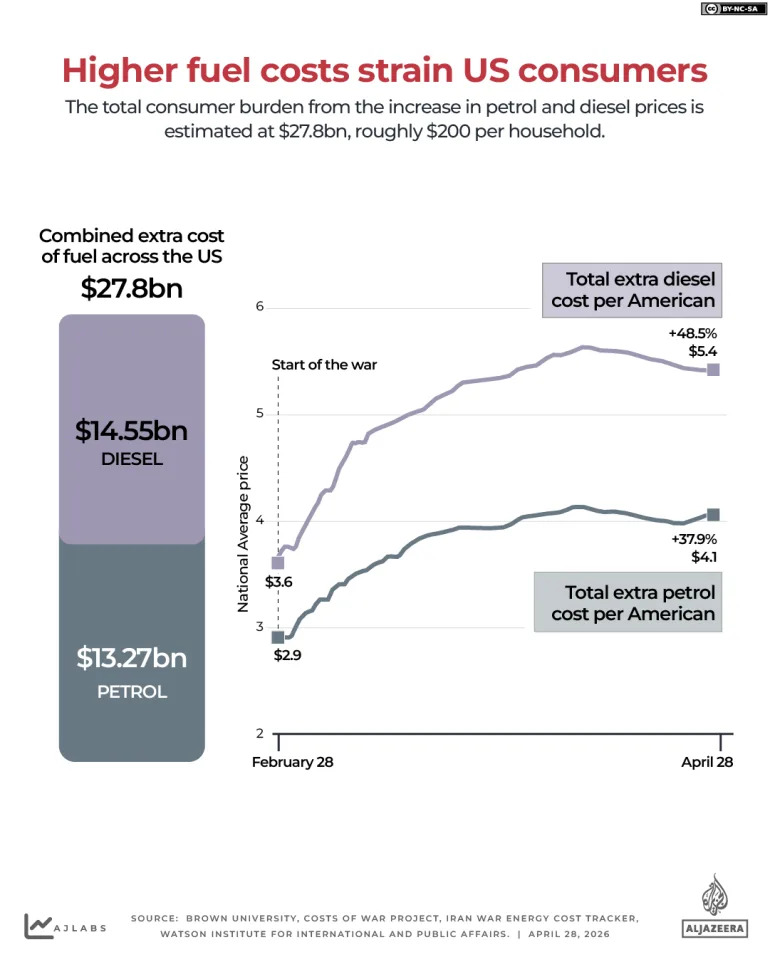
Analysts at Brown University's Climate Solutions Lab estimate that higher petrol and diesel prices linked to the Iran conflict have imposed a roughly $27.8 billion burden on US consumers — about $200 per household — as the national average price of petrol rose nearly 40 percent, from $2.90 to $4.10 per gallon.
Public Opinion And Political Stakes
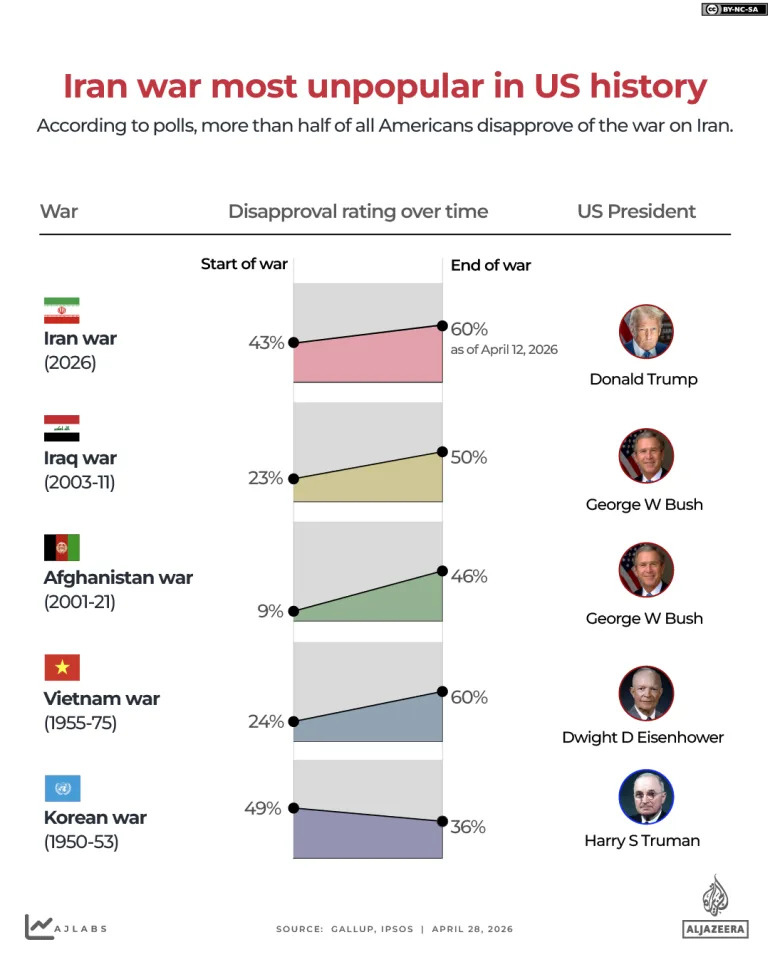
Public support shifted rapidly: a Reuters/Ipsos poll on April 12 found 60 percent of Americans disapproved of US strikes on Iran, up from 43 percent at the start of the campaign. Analysts warn that the "rally around the flag" effect that historically lowers early disapproval is weaker for this conflict, signaling possible political friction as costs — human and financial — accumulate.
What This Means
Analysts and veterans warn that repeating open‑ended, high‑cost interventions risks compounding long‑term harm: battlefield casualties, chronic veteran care obligations, strained public finances and domestic hardship for ordinary citizens.
As debate intensifies, the key questions remain: how to weigh immediate security objectives against long‑term costs, how to care for those who served, and how to ensure policy decisions reflect both strategic clarity and the public interest.
Help us improve.