
Quick Take: Mullins v. Al Otro Lado could force asylum seekers to wait in makeshift camps in Mexico or to risk illegal crossings if the Court requires physical arrival on U.S. soil to apply. Congress—not the courts—should modernize asylum law, fund regional processing, and coordinate agencies to protect refugees while maintaining an orderly, secure border. Legislative reforms and stronger regional screening can reduce incentives for dangerous crossings and improve humanitarian outcomes.
Act Now: Congress Should Modernize Asylum Policy Before the Supreme Court Forces a Shift
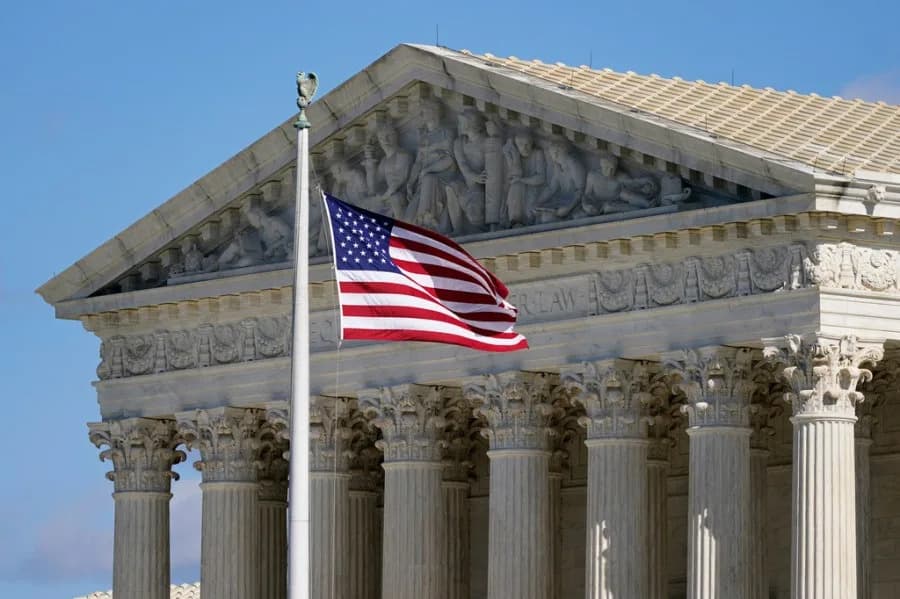
An immigration case now before the U.S. Supreme Court — Mullins v. Al Otro Lado — could unintentionally push more asylum seekers toward illegal crossings if the justices require an applicant to be physically on U.S. soil to request protection. That outcome would intensify humanitarian suffering and destabilize border operations unless Congress acts to modernize asylum law and regional processing.
What the case addresses
Mullins challenges the practice known as "metering," a policy begun in 2016 that effectively limits how many people can seek asylum at ports of entry each day. The government argues it should be allowed to restrict entry to manage capacity; challengers contend that asylum seekers must be permitted to "arrive" and make claims without being blocked at ports of entry. Oral arguments focused on the statute’s use of the word "arrive" and whether that requires physical presence on U.S. soil.
Why the potential ruling matters
If the Court concludes that an asylum seeker must physically set foot on U.S. territory to apply and the government refuses admission at ports of entry, two likely and harmful effects follow: thousands could be stranded in makeshift camps in Mexico, and many others would be incentivized to use smugglers to cross between ports of entry to establish physical presence and file claims. Both outcomes would create greater chaos at the border and heighten humanitarian risk.
Policy background and capacity problems
Most recent arrivals remain subject to expedited removal, a faster deportation process created by Congress in 1996 that included an asylum exception. In 2005, expedited removal and that asylum exception were extended to encounters between ports of entry. For years the system absorbed these changes, but when arrivals shifted toward families and children in 2013 and again in later surges, processing capacity was overwhelmed. By 2024, hundreds of thousands of migrants per month were requesting asylum—straining facilities, personnel, and legal processes.
Part of the problem is organizational: three Cabinet departments manage different parts of asylum processing for distinct populations, each with separate appropriations and oversight in Congress. In an era of persistent deficits, lawmakers are reluctant to fund large, rarely used surge capacity, and cross-agency coordination is limited.
A constructive path forward for Congress and the administration
The United States remains bound by international treaty obligations to protect people fleeing persecution, but it can and should create orderly, humane procedures that reduce incentives for dangerous illegal crossings. Practical steps include stronger regional cooperation and legislative reform:
- Work with neighboring countries to expand refugee processing and screening in the hemisphere, so qualified applicants can be considered before reaching the U.S. border.
- Create accessible pre‑arrival screening and application pathways that reduce pressure on land ports of entry and minimize dangerous journeys through Mexico.
- Revise how officials encounter asylum seekers at ports of entry to enable safe, orderly intake while preserving opportunities to seek protection.
- Streamline and speed adjudication for asylum claims filed at land ports of entry, with adequate due process safeguards.
Several bills introduced in Congress already sketch elements of this approach: clarifying eligibility limits for people who cross illegally, funding off‑site screening systems, expanding refugee processing capacity in the hemisphere, and accelerating asylum decisions at land borders. But statutory reform is needed to create a durable, coordinated system that balances border security, legal obligations, and humane treatment.
Conclusion
The Supreme Court’s decision in Mullins will shape immediate practice at the border, but it cannot substitute for comprehensive congressional action. Congress must update asylum statutes, authorize funding for regional and surge capacity, and require stronger interagency coordination so the United States can be both secure and a refuge for those fleeing persecution.
About the authors: Theresa Brown is an immigration fellow at the George W. Bush Institute. Laura Collins is the director of immigration policy at the George W. Bush Institute.
Help us improve.





















