Summary: Recent assassination attempts against Donald Trump—most recently at the White House Correspondents Dinner—have not only been morally abhorrent but have also produced political side effects that benefit the president. Polling after earlier attacks showed spikes in Trump’s favorability, and such incidents can temper media coverage, mute political opposition, and fuel conspiracy theories. Violence distorts democratic debate and risks empowering the very leaders opponents seek to dislodge.
Failed Assassination Attempts May Be Strengthening Trump — How Political Violence Backfires
It is always wrong to attempt to assassinate a president or any public official. Violence has no place in a democracy where citizens can vote, protest, and engage through myriad peaceful channels. Beyond the moral and legal imperatives, recent experience shows a practical reason opponents should avoid violence: attempted attacks on Donald Trump have repeatedly produced political benefits for him.
What Happened
In recent years there have been three serious attempts on Trump’s life. The most recent incident occurred at the White House Correspondents Dinner, when an armed man rushed past security toward the hotel ballroom. Authorities say the suspect reportedly sent a manifesto to relatives minutes before the attack that described himself as “no longer willing to permit a pedophile, rapist, and traitor to coat my hands with his crimes,” language widely read as referring to Trump. The document also named administration officials as “targets” and suggested a willingness to harm others—security officers, wait staff, and other guests—if necessary.
Political Consequences
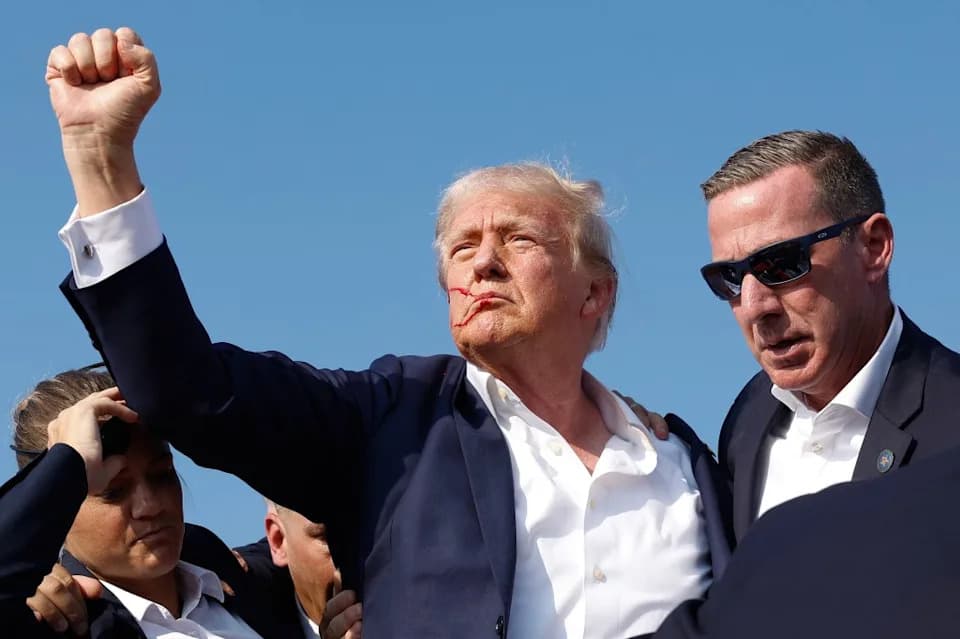
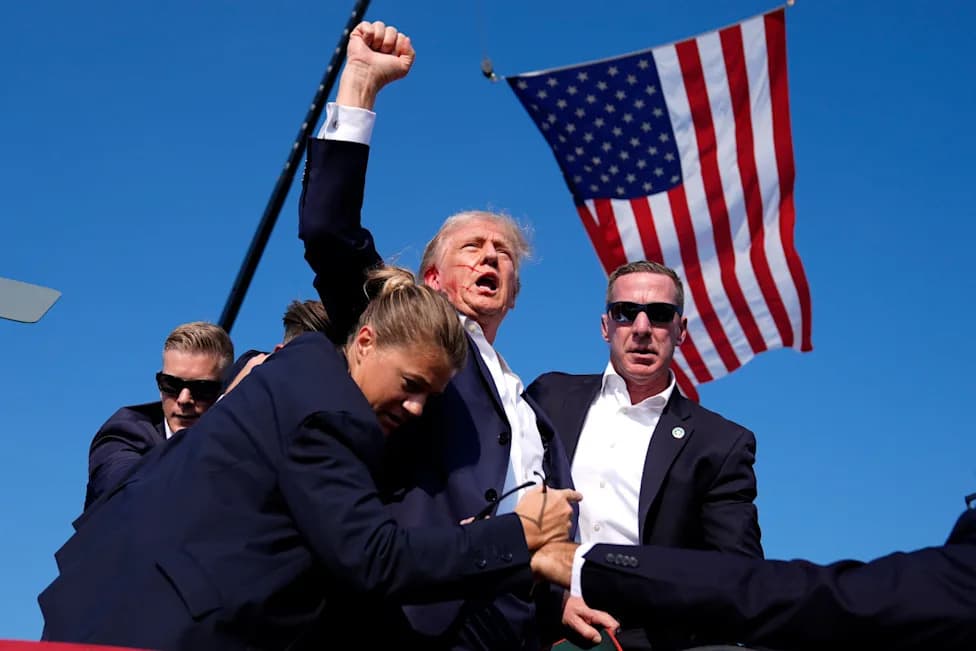
Those violent episodes have had measurable political effects. After the 2024 shooting at a campaign event in Butler, Pennsylvania, which wounded then-candidate Trump and killed one of his supporters, several polls recorded increased favorability for Trump. An ABC News/Ipsos survey found 40% of Americans reported a positive view of him afterward—one of his highest marks in years. A second foiled attempt at one of Trump’s Florida golf clubs coincided with continued gains in support that persisted through the November election, a dynamic some analysts say helped his campaign.
"Sometimes violence produces sympathy or a rallying effect that benefits the person targeted," political observers note.
Historical examples show similar effects: Ronald Reagan saw an approval bump after surviving a 1981 shooting, and Lyndon Johnson received a surge of public support after John F. Kennedy’s assassination that helped him advance major legislation. Not every targeted leader benefits electorally—context and timing matter—but the pattern of short-term political consolidation is clear enough to warrant caution.
How The Episodes Reshape Politics And Media
Assassination attempts can change political rhetoric and media behavior. In the immediate aftermath, opponents often mute harsh criticism, and reporters may cover the target with greater restraint—especially when journalists were themselves near the danger. That effect was visible after the Butler shooting and again after the correspondents dinner incident, when some Democrats and commentators called for cooler tones and Republicans used the episode to rally their base. Conservative voices likewise broadened blame, accusing the political left of fostering a hostile environment without identifying specific actors.
The incidents also feed conspiracy thinking. Within hours of the latest attempt, some accounts on X and Bluesky alleged the event was staged to boost Trump’s standing—echoing similar doubts about past shootings and some election results. Such unfounded claims are troubling because they further erode trust and polarize public discourse.
Why It Matters
From both a moral and a practical perspective, violence is the wrong answer to political disagreement. Beyond the immediate harm, attempts on a leader’s life can distort democratic debate, soften accountability, and ultimately empower the very figure opponents seek to weaken. What democracies need instead is a political playing field where parties make their case, voters decide, and officials govern free from the threat of violence.
Note: This account summarizes reporting and publicly available details about several attempted attacks and their political effects while underscoring the imperative of nonviolence and robust democratic norms.
Help us improve.