STOCKHOLM — Global military expenditure rose 2.9% in 2025 to $2.89 trillion, the Stockholm International Peace Research Institute (SIPRI) said on Monday, marking the 11th consecutive annual increase. Defence spending now represents 2.5% of global gross domestic product (GDP), the highest share since 2009.
SIPRI highlighted that ongoing crises and many countries' long-term defence plans mean this upward trend is likely to continue into 2026 and beyond.
"Given the range of current crises, as well as many states' long-term military spending targets, this growth will probably continue through 2026 and beyond," SIPRI said.
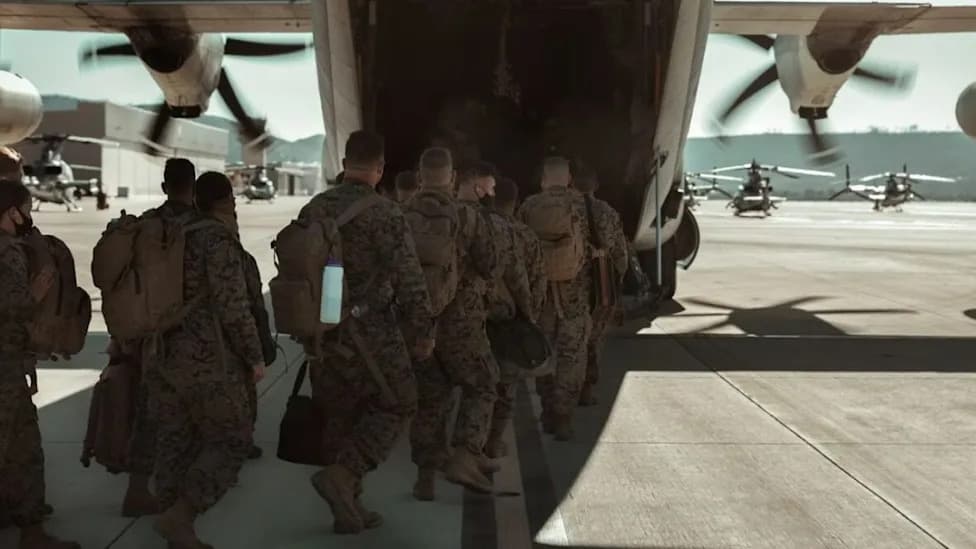
The United States, China and Russia remained the three largest spenders, together accounting for $1.48 trillion — roughly 51% of global military expenditure. U.S. spending fell 7.5% to $954 billion in 2025, driven largely by the absence of new financial military assistance to Ukraine that year; over the prior three years the U.S. provided about $127 billion in such aid.
SIPRI cautioned that the U.S. decline is likely temporary: spending authorized by the U.S. Congress for 2026 has risen above $1 trillion and could increase further toward $1.5 trillion in 2027 if additional appropriations are approved.
Regional Drivers and Notable Changes
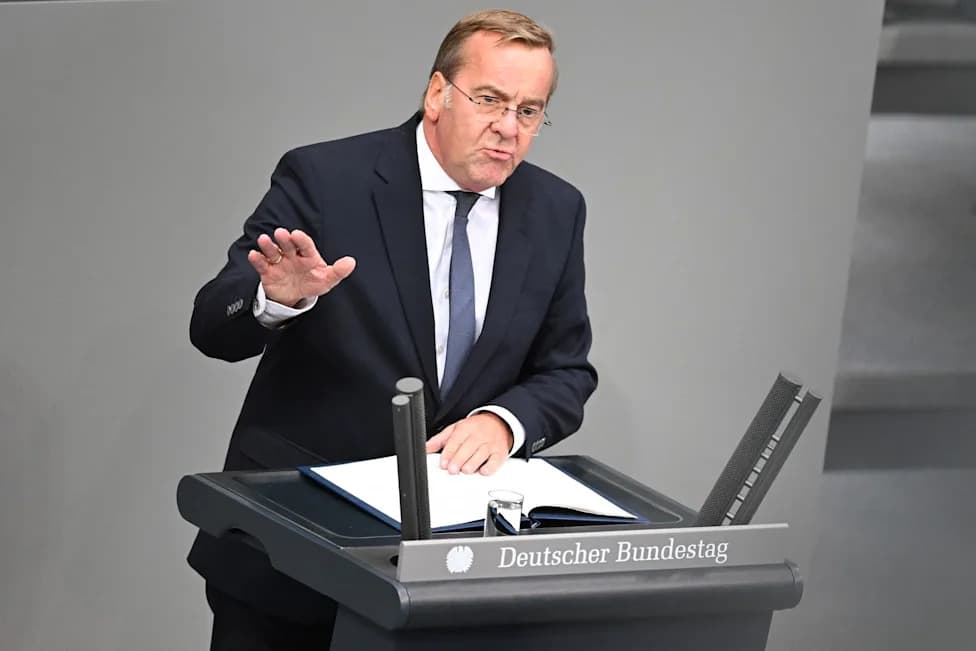
Europe was the main contributor to the global rise, with defence spending jumping 14% to $864 billion. Increases among European NATO members produced the steepest annual growth in Central and Western Europe since the end of the Cold War. Spending by both Russia and Ukraine continued to rise in the fourth year of their conflict.
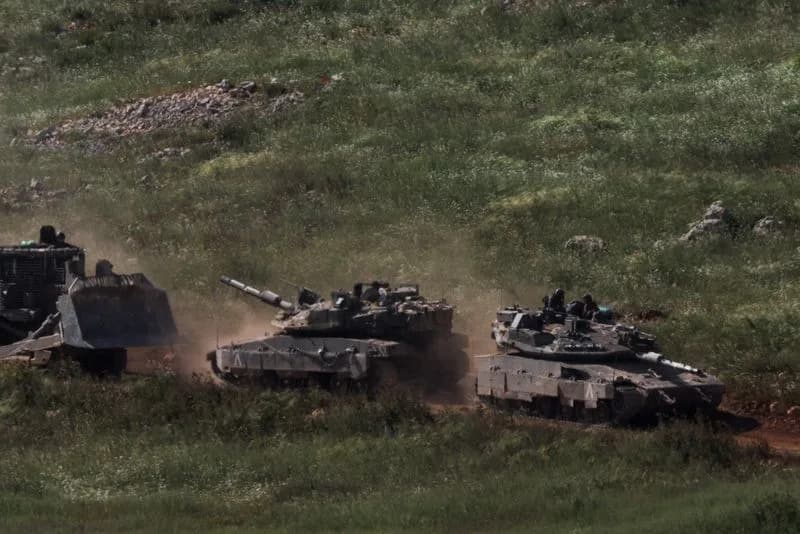
By contrast, Israel's military expenditure fell 4.9% to $48.3 billion as the 2025 conflict in Gaza wound down, while Iran's defence spending decreased for a second consecutive year, down 5.6% to $7.4 billion.
The SIPRI data underline a sustained, broad-based increase in global defence outlays driven by regional tensions and strategic rearmament plans across multiple states.
(Reporting by Johan Ahlander; Editing by Helen Popper)