About a dozen recent cases involving U.S. scientists who have gone missing or been found dead are drawing heightened scrutiny after a retired senior FBI official said several incidents fit a worrying pattern given the sensitive work those individuals handled.
What a Former FBI Leader Observes
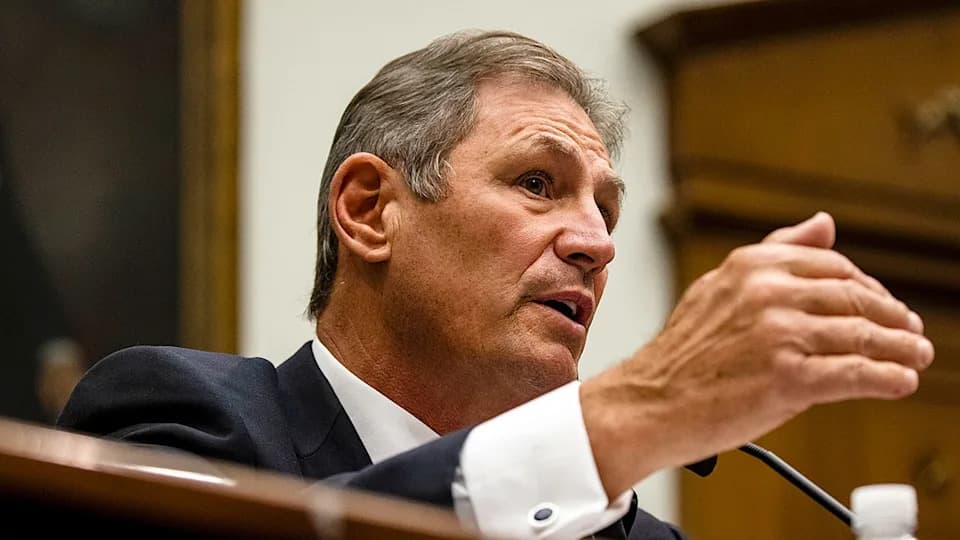
Chris Swecker, a former FBI assistant director, described the disappearances as "suspicious inherently," noting the subjects' work would make them attractive targets for hostile foreign intelligence services. "What they were working on would certainly, without a doubt, be a target of a hostile foreign intelligence service like Russia or China. It could be Iran, could be Pakistan," he said.
Cases That Raised Concern
Several high-profile cases have intensified attention:
- William Neil McCasland — A retired Air Force major general and former commander of the Air Force Research Laboratory with ties to Los Alamos National Laboratory. He vanished in New Mexico after leaving home wearing only a pair of boots and carrying a handgun; his phone, keys and glasses were left behind.
- Anthony Chavez (79) — A retired Los Alamos National Laboratory employee reportedly last seen leaving his Los Alamos home on foot on May 8, 2025. His car remained in the driveway and, according to reports, he did not take his phone, wallet or keys.
- Melissa Casias (53) — A Los Alamos employee who went missing on June 26, 2025.
- Steven Garcia (48) — An employee of the Kansas City National Security Campus in Albuquerque, which produces most nonnuclear components for nuclear weapons, who disappeared on Aug. 28, 2025. He reportedly left on foot carrying only a handgun and held a Top Secret security clearance.
"So Garcia, Chavez and Casias, in my opinion, ought to be lumped in and that should be the focus... because that would fit more of a pattern than just killing somebody because of what they know," Swecker said, noting many cases involved personal items left behind and abrupt departures on foot.
Pattern, Caution, And Uncertainty
Swecker also cautioned that the six deaths widely reported in connection with these incidents do not all appear to share a common cause and may not be linked. Still, he urged investigators to look for connections among the disappearances given that many of those involved worked with high-value or sensitive technology.
Broader National-Security Warning
Beyond the immediate cases, Swecker issued a broader alert to researchers and contractors: foreign programs—primarily in China and Russia, and to a lesser extent Iran and North Korea—conduct daily collection efforts to acquire foreign technology through theft or espionage. He urged vigilance among scientists, university researchers and defense contractors whose work could be of interest to adversaries.
Investigation Status
Last week, the White House directed the FBI to coordinate an investigation into these cases. The inquiry is ongoing and federal authorities continue to review leads and possible links among the incidents.
Note: Authorities have not publicly confirmed a single motive or a unified conspiracy linking all cases. Reporting remains active and details may evolve as investigators gather more information.