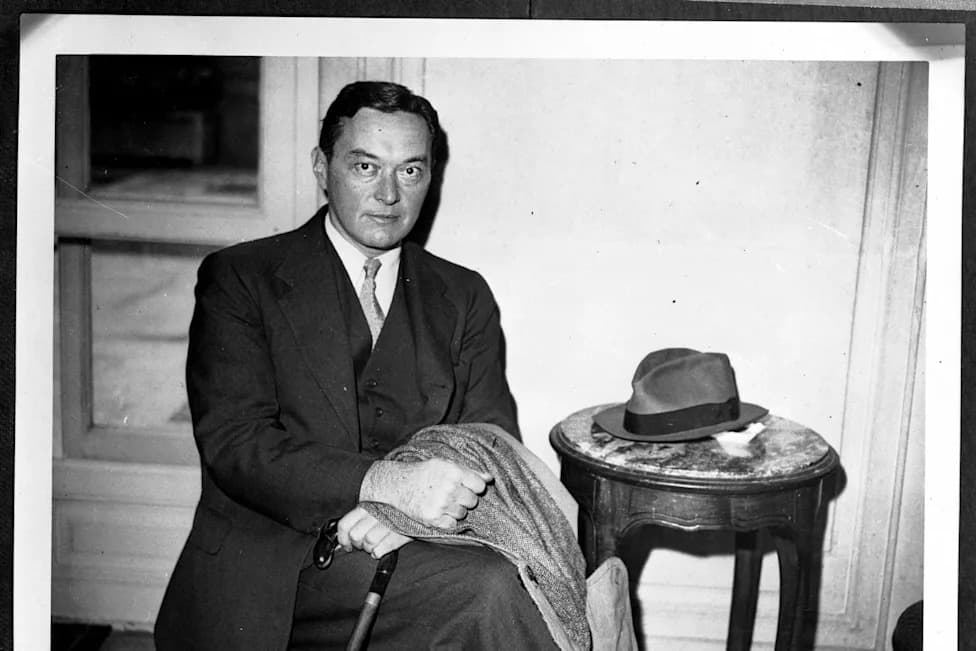
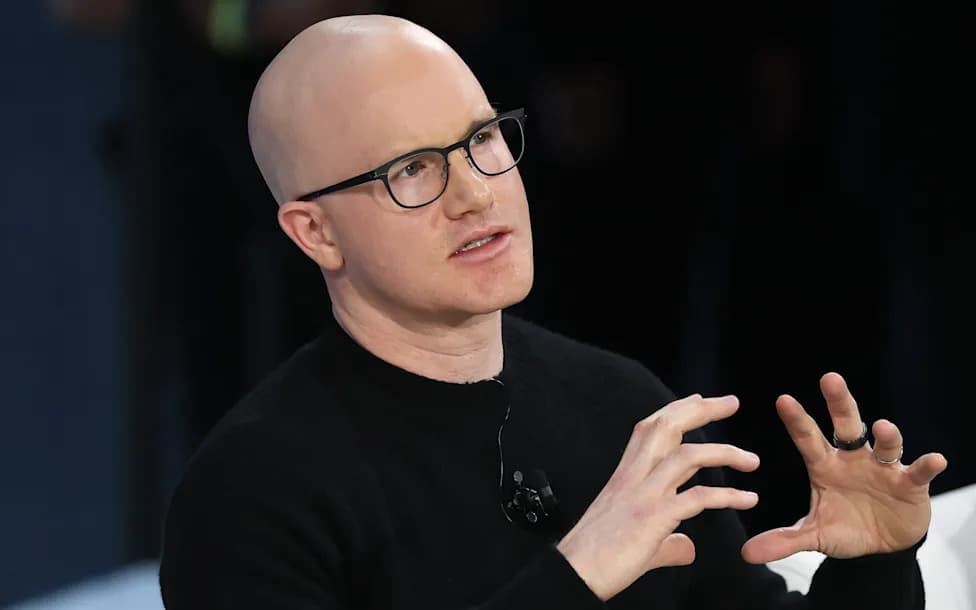
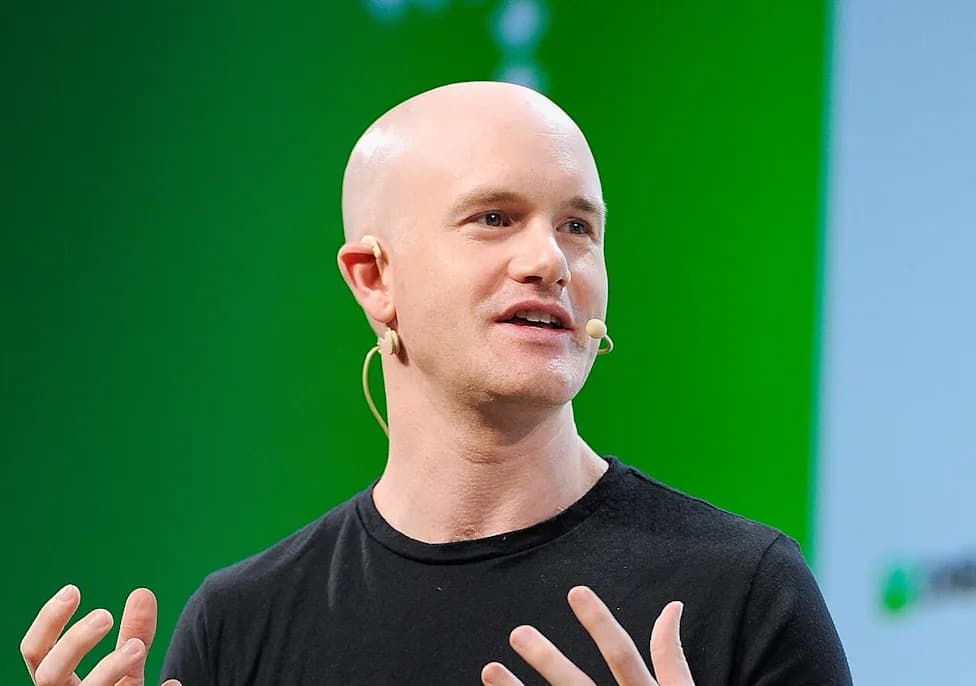
Many nonprofits still lack formal policies to handle donations from ethically compromised individuals. High‑profile cases like Epstein, the Sacklers and Sam Bankman‑Fried show how accepting such gifts can produce short‑ and long‑term harm. Experts recommend clear donor acceptance rules, proportionate vetting, board oversight, transparency, and a simple guiding test: if you would be uncomfortable explaining the gift publicly, decline it.
How Charities Should Prepare For The Next Jeffrey Epstein: Clear Rules, Tough Vetting, And Public Accountability

Jeffrey Epstein was not the first wealthy person to use philanthropy to win over powerful friends. | Martin Bureau/AFP
Not all institutions accepted Jeffrey Epstein’s money — but far too many did. The fallout from Epstein’s donations, and other high-profile cases such as the Sackler family and Sam Bankman‑Fried, has exposed a persistent problem: many nonprofits, universities and cultural institutions still lack clear policies to evaluate ethically compromised donors. That gap leaves organizations vulnerable to reputational harm, reduced public trust, and long-term financial costs.
The Problem
Epstein used charitable giving to ingratiate himself with elite institutions. Despite a 2008 conviction for solicitation of a minor, donors and some institutions continued to cultivate ties that later resulted in scandal, resignations and lasting reputational damage. Research and recent polling suggest this is not an isolated issue: a 2023 survey found that roughly half of professional fundraisers have encountered a "morally tainted donor," yet only about one‑third of organizations reported having a formal policy to handle such gifts.
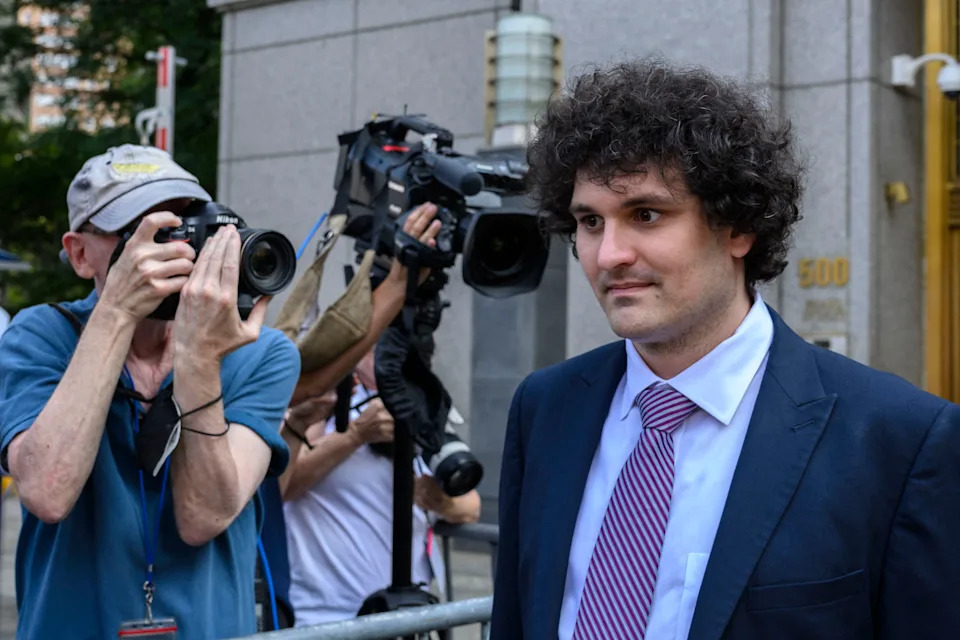
The collapse of Sam Bankman-Fried’s crypto empire inflicted major embarrassment and financial harm to the effective altruism movement. | Angela Weiss/AFP
Why Troubling Donors Give
- Reputation Laundering: Donations can rebrand a donor’s public image, redirecting attention from the source of their wealth or past conduct to their philanthropy.
- Moral Licensing: Psychological research shows that performing a good deed can subconsciously make people feel licensed to behave badly afterward — a dynamic visible in several recent scandals.
The Risks
Accepting tainted donations can produce short‑term gains but often creates long‑term liabilities. Institutions that accepted controversial gifts have faced protests, declines in public trust, lost future supporters and media scrutiny. The cost is not only reputational: it can affect fundraising pipelines, partnerships and even attendance for cultural organizations.
High‑Profile Examples
- Jeffrey Epstein: Donations to institutions including research labs and charities led to intense scrutiny, leadership changes and reputational harm for recipients.
- The Sackler Family: Generations of gifts to museums and universities became a liability after the family’s role in the opioid crisis prompted protests and widespread name removals.
- Sam Bankman‑Fried: Large, visible donations tied to alleged fraud damaged the credibility of beneficiary organizations and movements associated with him.
Practical Steps Charities Should Adopt
Organizations can reduce risk and preserve public trust by adopting clear, consistently enforced policies. Key practices include:
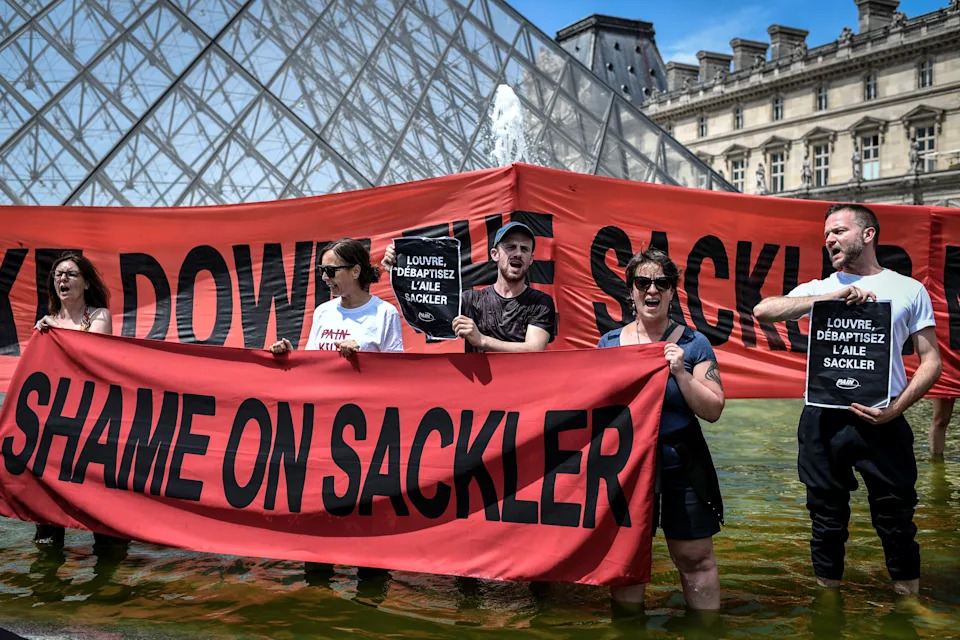
Artist-led protests eventually forced many museums like the Louvre to cut off ties with the Sackler family. | Stephane de Sakutin/AFP
- Formal Donor Acceptance Policy: Define red lines (criminal convictions, types of business activity, human‑rights harms) and procedures for review and escalation.
- Rigorous Vetting: Perform background checks proportionate to the gift size and prominence of the donor; document findings and decisions.
- Board Oversight And Thresholds: Require board review or independent counsel for large or controversial gifts and for naming rights decisions.
- Transparency: Publish donor policies and, where appropriate, disclose significant gifts and any conflicts of interest to stakeholders.
- Naming And Recognition Rules: Create clear criteria for naming benefits and for removing names if new information emerges.
- Contingency Plans: Include mechanisms to return or reallocate funds, rescind honors, and communicate decisions during crises.
- Ethics Training: Equip development staff and trustees to spot moral ambiguity, ask the right questions and resist pressure to accept problematic money.
When To Say No
One practical test works well: if you would not be comfortable publicly explaining this gift and your acceptance of it, do not accept it.
That standard helps avoid deals that sanitize a donor’s reputation at the institution’s expense.
Conclusion
Controversial donors are not new, and not every donor will be obviously tainted. But organizations can protect themselves by setting clear rules, vetting donors proportionately, involving boards in high‑risk decisions, and committing to transparency. In an era of heightened scrutiny and declining public trust in philanthropy, preventing reputational damage is often worth more than the short‑term benefit of a questionable gift.
Help us improve.