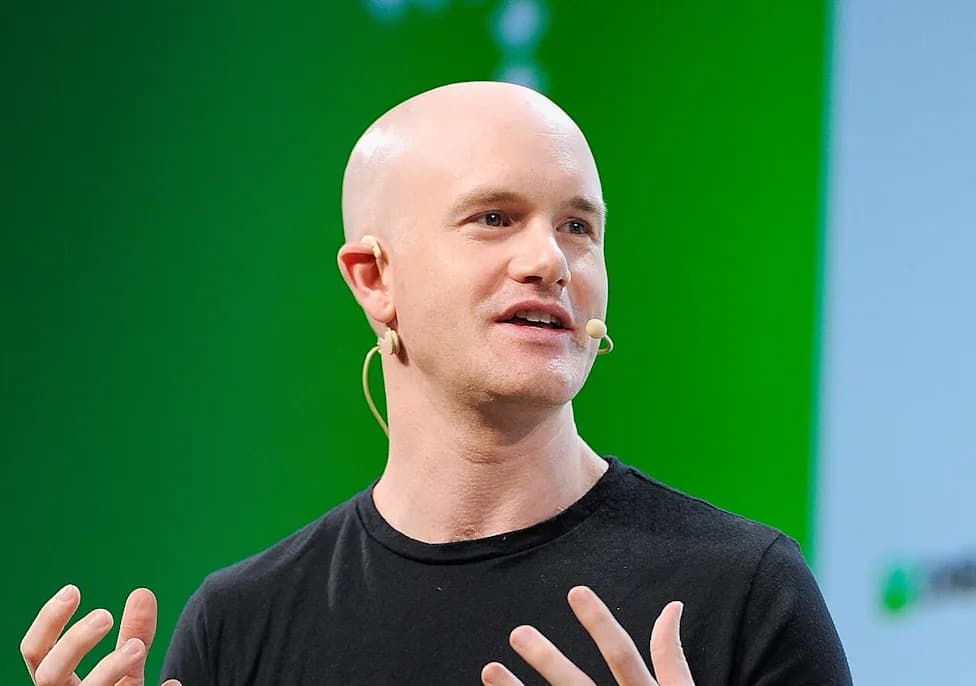
Coinbase CEO Brian Armstrong, estimated to be worth about $8.7 billion, told the Katie Miller Podcast he believes much philanthropy is "a net negative," arguing many foundations become politically "captured." Critics counter that refusing to give can leave communities short of resources for health, education and environmental protection, especially when public budgets are strained. The exchange highlights tensions over private power, accountability and whether public funding or reformed philanthropy better serves the public interest.
Coinbase CEO Brian Armstrong Calls Philanthropy "A Net Negative," Says He Won't Give
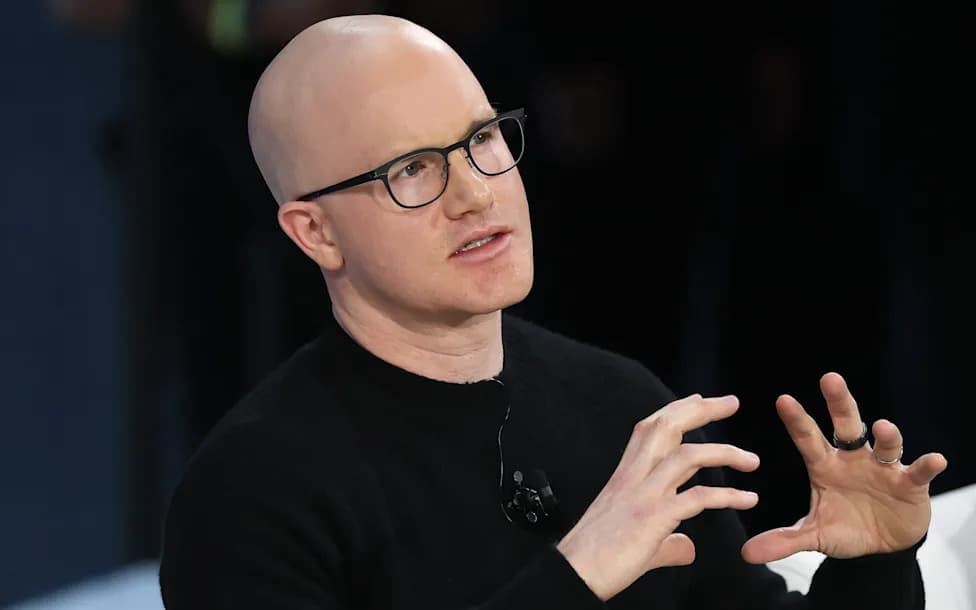
Photo Credit: Getty Images
Brian Armstrong, CEO of Coinbase and an estimated billionaire, publicly questioned the value of traditional philanthropy after an appearance on the Katie Miller Podcast. His remarks, reported by Futurism, have reignited debate about the role of wealthy donors and private foundations in public life.
What He Said
Armstrong, whose fortune is estimated at about $8.7 billion, stated:
"The common view is that philanthropy is a noble cause... I guess I have sort of a contrarian view where a lot of charities and philanthropies are actually net negative on the world."He also suggested that some billionaires use giving to "rehabilitate" their image and argued many foundations become "captured by ideology."
Historical Context
Philanthropy in the United States has long mixed public benefit with private interest. Industrial-era donors such as Andrew Carnegie, John D. Rockefeller and J.P. Morgan funded libraries, medical research and cultural institutions that produced lasting public goods — even as those gifts sometimes served reputation and influence.
Critics' Concerns
Critics argue that refusing to give ignores a practical reality: when public budgets are strained, private donations often fill critical gaps in health, education, cultural programs and environmental protection. They also warn that large philanthropic funds can consolidate private power; examples cited include concerns around Jeff Bezos's Earth Fund and the environmental costs linked to donated goods ending up in landfills.
Why It Matters
The exchange underscores broader tensions about accountability, power and how best to support communities — whether through private philanthropy, stronger public institutions, or systemic reform. Advocates for reform call for greater transparency and public investment so communities are not dependent on the choices of a few wealthy individuals.
Armstrong's bottom line: "So far, I've just been like 'I'm not going to do that.'"
Help us improve.