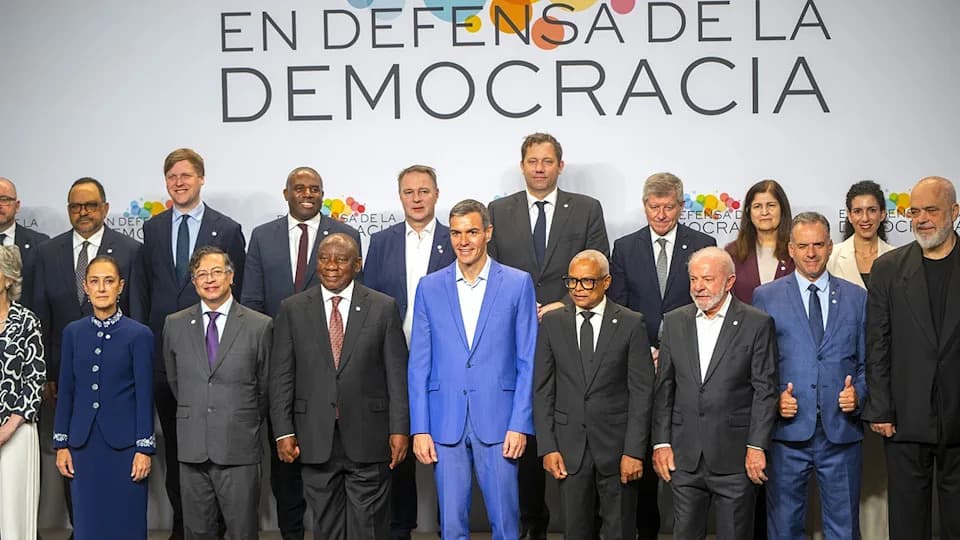
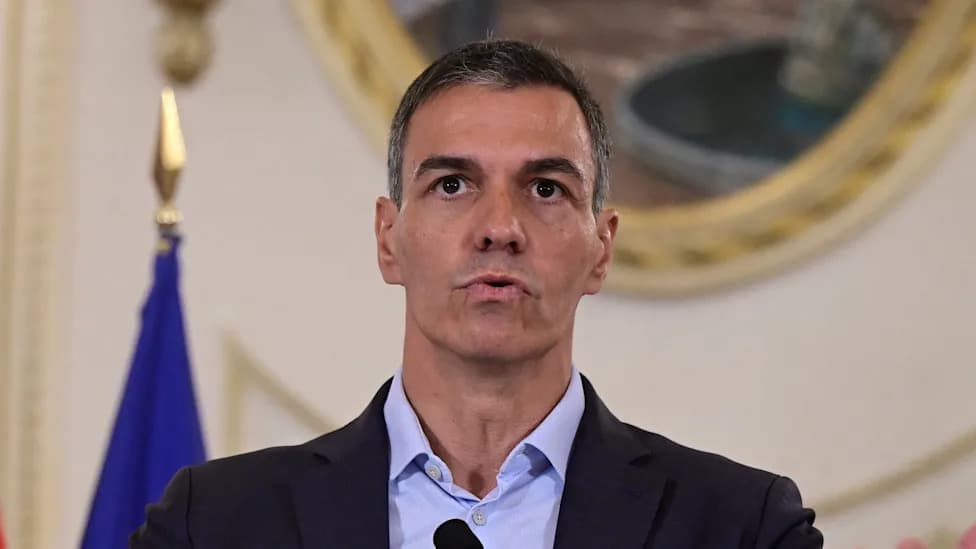
Spain’s prime minister, Pedro Sánchez, convened a high-profile meeting of left-leaning leaders in Barcelona that is attracting international attention for what many observers call a potential geopolitical recalibration in Latin America.
Who Attended and Why
The summit brought together Brazilian President Luiz Inácio Lula da Silva, Colombian President Gustavo Petro and Mexico’s President Claudia Sheinbaum. Framed publicly as a forum to address inequality, climate change and the rise of right-wing movements, the gathering—titled "In Defense of Democracy"—also featured broad critiques of interventionist foreign policies and calls to reform global institutions.
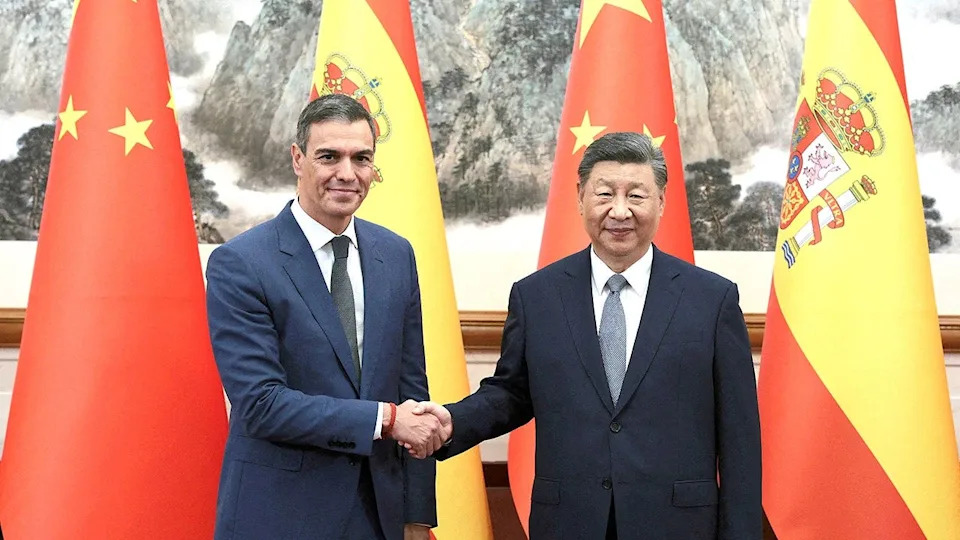
Chinese President Xi Jinping and Spanish Prime Minister Pedro Sanchez shake hands before their meeting in Beijing, China September 9, 2024.
Main Themes
Speakers emphasized national sovereignty, non-intervention and reforms to international bodies such as the United Nations. Sánchez warned about the "normalization of the use of force" and "attempts to undermine international law," language widely interpreted as a rebuke of recent U.S. foreign-policy trends.
"The current international order needs rethinking," said Brazilian President Lula, urging changes to global governance, including the U.N. Security Council.
Colombian President Gustavo Petro linked global tensions to economic and energy systems, arguing that dependence on fossil fuels has driven conflict and inequality. Mexico’s President Sheinbaum stressed Latin America’s longstanding principle of non-intervention and opposed sanctions on countries such as Cuba.
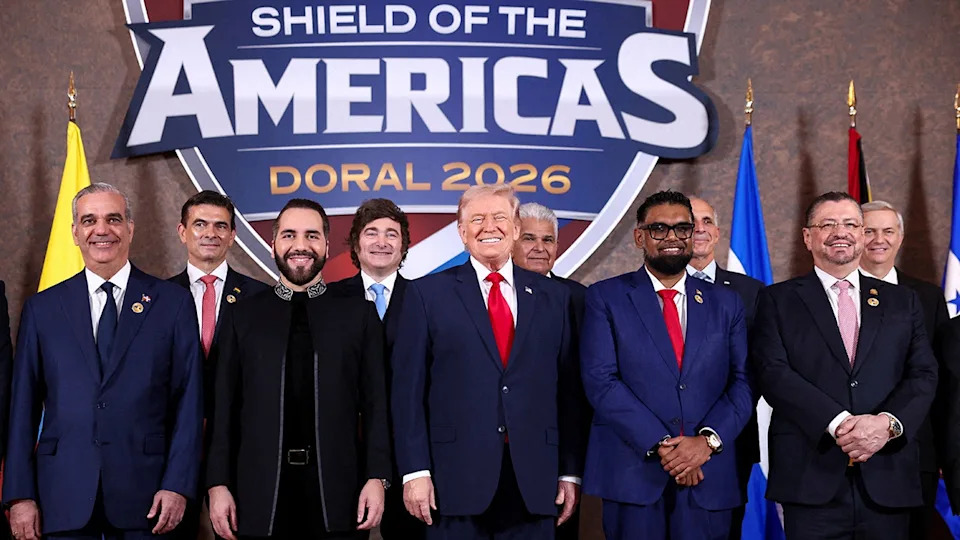
President Donald Trump, center, Dominican Republic President Luis Abinader, second from left, Argentina's President Javier Milei, El Salvador's President Nayib Bukele, Guyana's President Mohamed Irfaan Ali, Costa Rica's President Rodrigo Chaves Robles, Bolivia's President Rodrigo Paz and Chile's President-elect Jose Antonio Kast pose for a family photo during the Shield of the Americas Summit in Doral, Fla., on Saturday, March 7, 2026.
Reactions and Criticism
Analysts offered divergent readings of the summit. Juan Angel Soto, founder and CEO of Fortius Consulting, described Sánchez’s role as an effort to position himself as a leader of an emerging progressive bloc increasingly critical of U.S. policy. Others were more skeptical.
"This gathering could be seen as a politically convenient coalition that overlooks ties some progressives have maintained with authoritarian regimes," said Roberto Salinas León, director of International Affairs at Universidad de la Libertad.
Brazilian analyst Sandra Bronzina warned that the meeting reflects concerns tied to the broader U.S.-China rivalry and suggested that some critics fear a growing alignment between parts of the progressive left and Beijing.
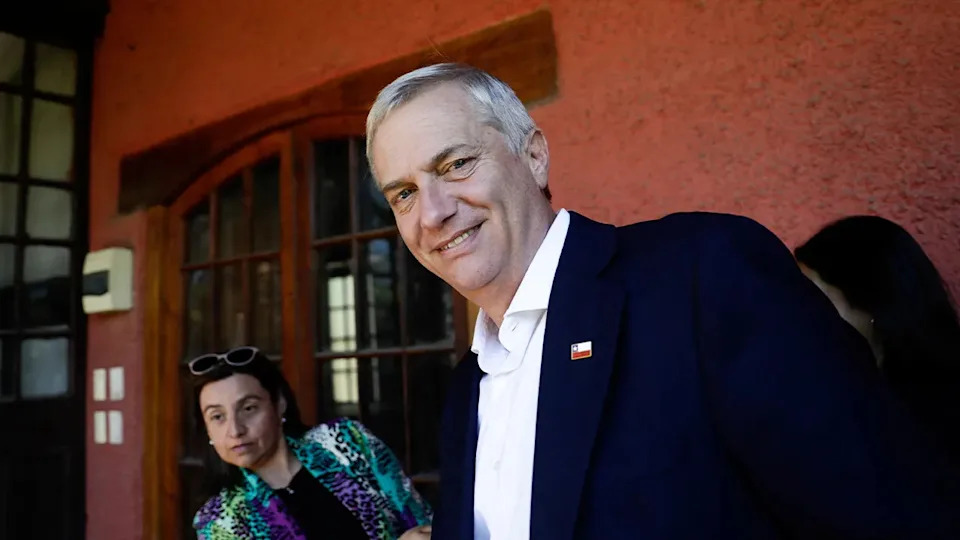
Chile elected right wing leader Jose Kast as president.
Regional Context and Countervailing Trends
Observers note that political dynamics across the Americas are mixed. Argentina is pursuing market-oriented economic reforms; El Salvador has implemented aggressive security measures that supporters say reduced violent crime; and Ecuador is prioritizing law-and-order responses to cartel violence. These developments point to competing trajectories that may limit the summit’s regional impact.
What It Might Mean
Taken together, the Barcelona discussions suggest the early contours of a loosely aligned progressive network willing to contest U.S. positions on global governance, regional policy and economic strategy. At the same time, diverse domestic priorities and shifting political winds across Latin America make any unified realignment uncertain.
Bottom line: Barcelona showcased a high-profile expression of progressive solidarity and critique of interventionist foreign policy, but translating rhetoric into sustained regional influence will depend on each country’s domestic politics and broader geopolitical dynamics.