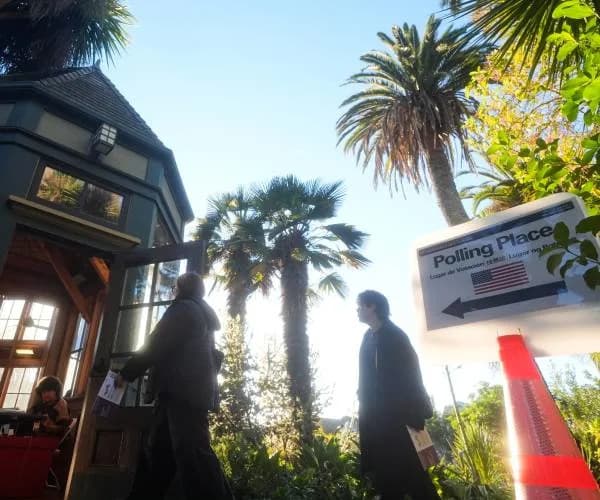
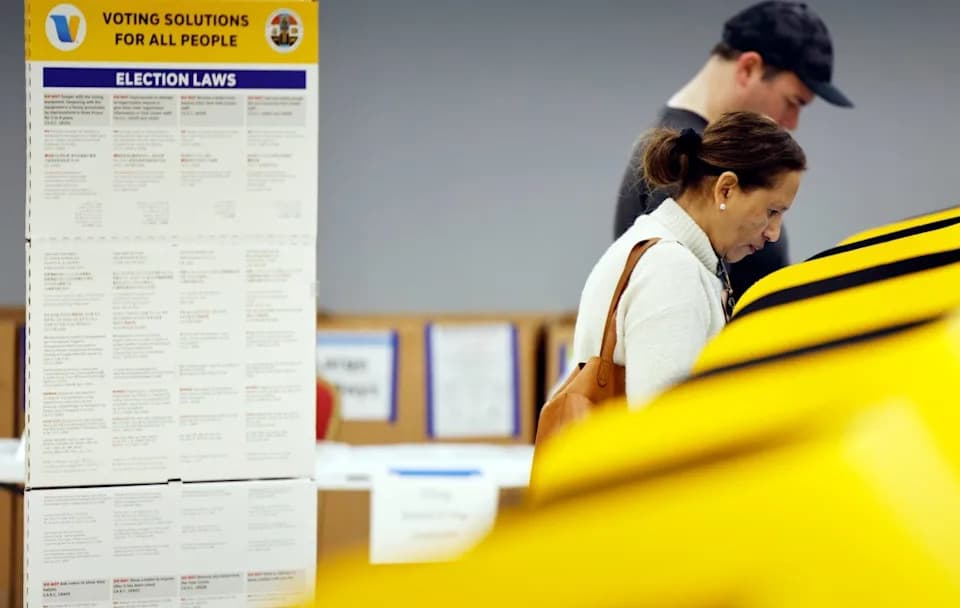
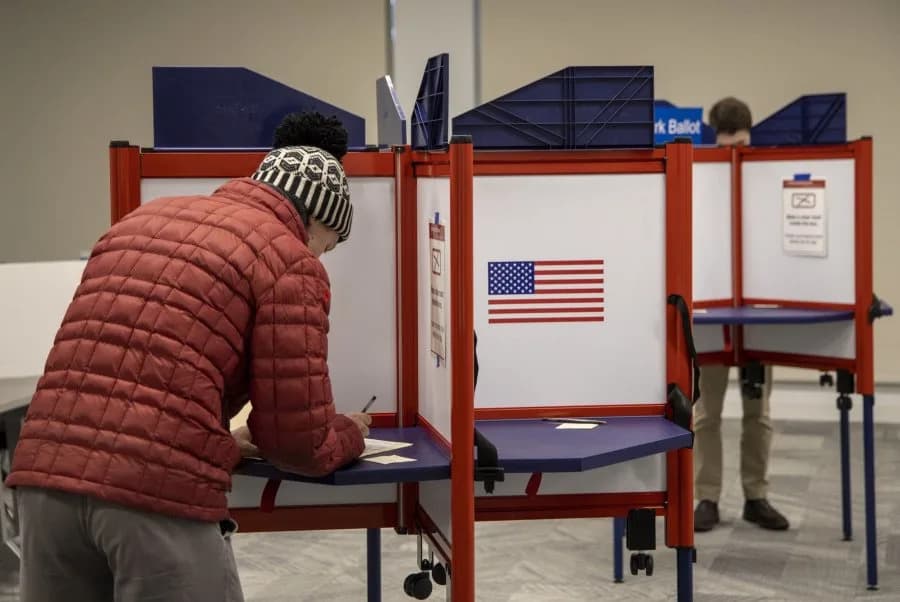
State officials say a ballot measure that would require proof of U.S. citizenship at registration and identification at polling places has qualified for California's November ballot. Backers argue it will boost confidence in elections; critics warn it could create barriers for seniors, people with disabilities and those without driver’s licenses. Research and multiple official reviews find voter fraud in the U.S. is rare, and audits confirmed the 2020 result.
California Measure Requiring Proof of U.S. Citizenship and Voter ID Qualifies for November Ballot
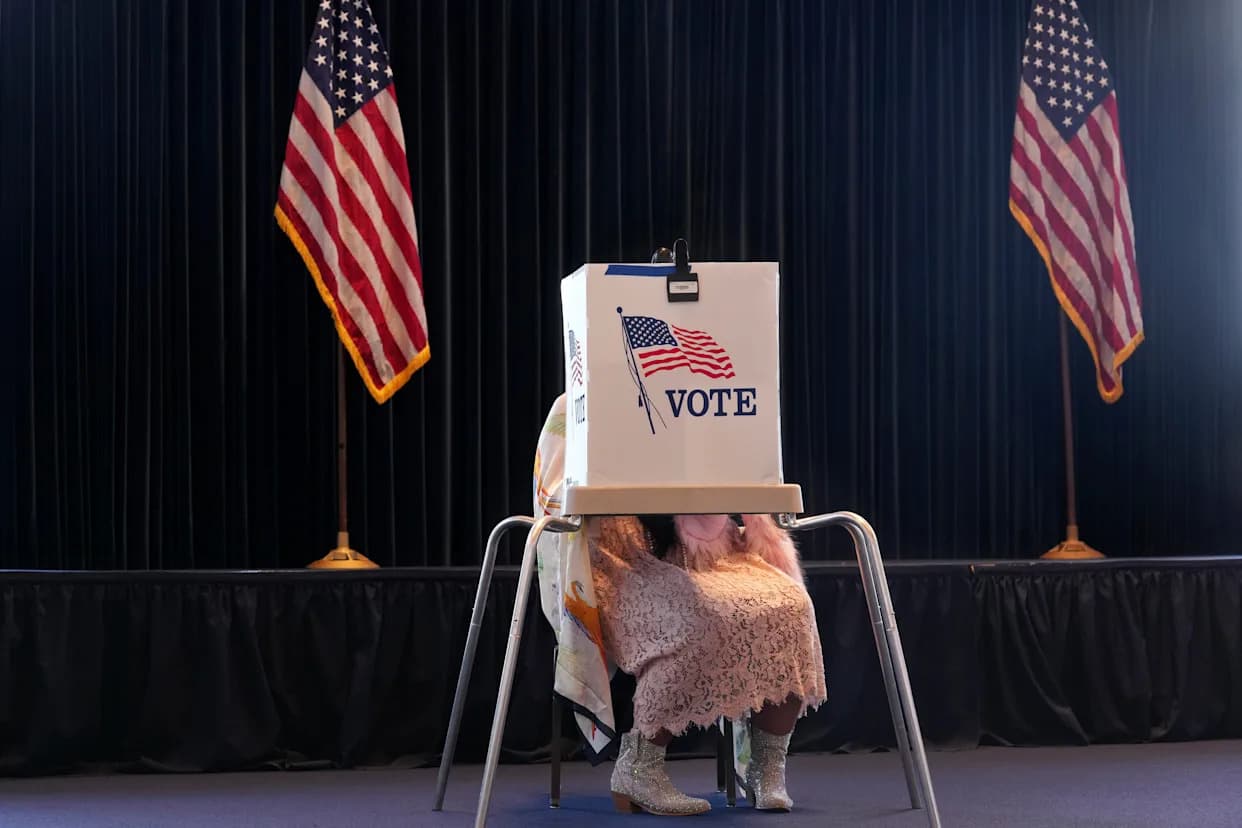
FILE - A voter prepares a ballot at a polling place at the Ronald Reagan Presidential Library on Election Day, Tuesday, Nov. 5, 2024, in Simi Valley, Calif. (AP Photo/Chris Pizzello, File)(ASSOCIATED PRESS)
State officials announced Friday that a proposed ballot measure requiring proof of U.S. citizenship at voter registration and identification at polling places has qualified for the November ballot after backers submitted enough petition signatures.
What the Measure Would Do
If approved by voters, the initiative would require registrants to verify U.S. citizenship when they register to vote. It would also require voters to show identification at the polls. In addition, Californians who vote by mail would be asked to provide the last four digits of a government-issued identification number, such as a Social Security number, when submitting a ballot.
"We already show ID for everyday activities like flying, opening a bank account and picking up prescription medications," said state Sen. Tony Strickland, a Republican from Huntington Beach. "Californians deserve secure, transparent elections."
Arguments For and Against
Supporters — including many Republicans — frame the proposal as a common-sense step to strengthen confidence in elections in a state with more than 23 million registered voters. They note that 36 other states and many countries require some form of voter ID.
Opponents argue the rules would create practical barriers for seniors, people with disabilities, and residents who do not have driver’s licenses or easy access to the required documents. They say the measure could depress turnout among vulnerable groups.
Context and Evidence
California is currently among 14 states, plus the District of Columbia, that do not require voters to show identification at the polls or to present proof of citizenship to register. Most Californians cast ballots by mail, and the state's thorough approach to counting has earned it a reputation for tallies that sometimes take weeks to finalize.
Research and multiple official reviews show that voter fraud in the United States is rare. Instances of noncitizen voting have occurred, but state-level reviews have generally found such cases to be uncommon and often the result of errors rather than coordinated attempts to alter outcomes. Reviews, audits and recounts in battleground states — including processes overseen by Republican officials — confirmed Joe Biden's victory in 2020. Courts, including judges appointed by President Trump, and federal officials found no evidence of widespread fraud that would have changed the election result.
What Happens Next
The measure will appear on the November ballot for California voters to decide. If passed, it could change how registration and mail-ballot verification are handled across the state. The campaign for and against the measure is expected to focus on election security, administrative cost and access to the ballot for historically underrepresented groups.
Associated Press writer Trân Nguyên contributed from Sacramento, California.
Help us improve.