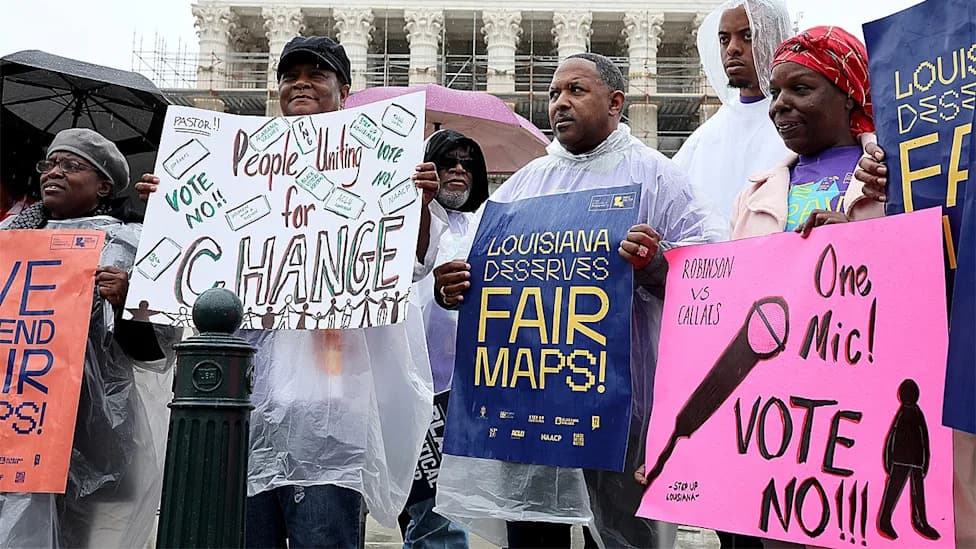
Mississippi Gov. Tate Reeves has ordered a special legislative session to redraw judicial districts after the U.S. Supreme Court rules in Louisiana v. Callais. The case could narrow or overturn Section 2 of the Voting Rights Act, which has been used to challenge maps that dilute minority voting power. A federal judge last August found Mississippi’s Supreme Court map violated Section 2 and ordered it redrawn. The Legislature will meet 21 days after the Court issues its ruling.
Mississippi Calls Special Session To Redraw Judicial Districts Pending Landmark Supreme Court Voting Rights Ruling
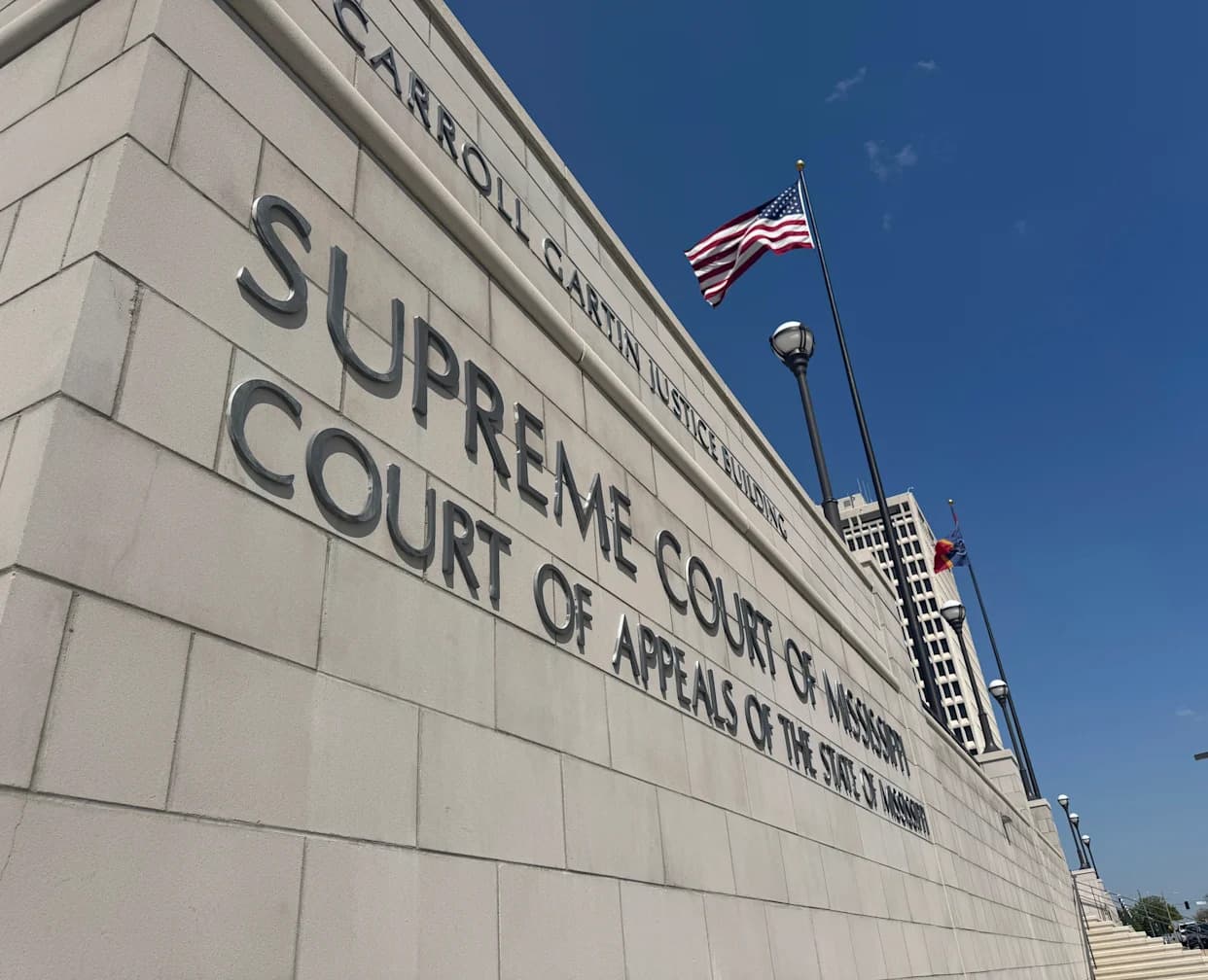
FILE - The American flag waves outside the Mississippi Supreme Court in Jackson, Miss., April 17, 2025. (AP Photo/Sophie Bates, File)(ASSOCIATED PRESS)
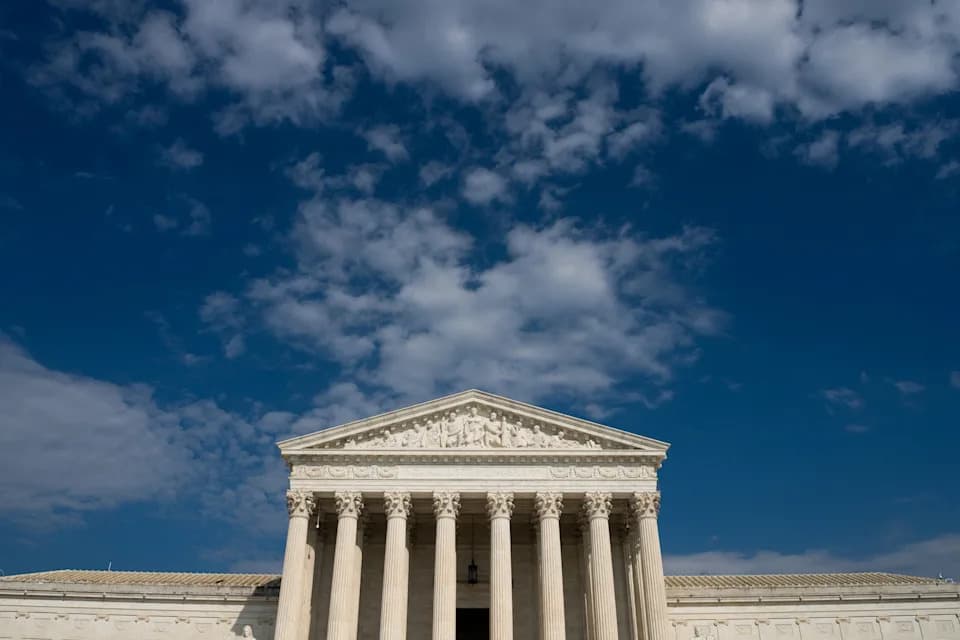
JACKSON, Miss. — Gov. Tate Reeves on Friday announced he will call a special legislative session to redraw judicial districts for the Mississippi Supreme Court after the U.S. Supreme Court issues a decision in a major Voting Rights Act case, Louisiana v. Callais.
What Reeves Announced
Reeves signed a proclamation Thursday that directs the Legislature to act once the high court rules in the Louisiana case. The governor wrote that the absence of a Supreme Court decision has "deprived the Mississippi Legislature of its undisputed federally recognized right to remedy the Section 2 violation." He said the Legislature will convene 21 days after the Court issues its ruling.
Why This Matters
During oral arguments last fall, the Supreme Court signaled it may narrow or invalidate Section 2 of the Voting Rights Act, the provision commonly used to challenge election practices that dilute minority voting strength. If the Court overturns or significantly weakens Section 2, state and local governments would face fewer constraints when redrawing electoral maps and minority voters would have reduced ability to bring federal challenges alleging vote dilution.
Local Case and Broader Implications
The special session proclamation is tied to a separate federal case here in Mississippi. In August, a federal judge found the state's Supreme Court electoral map violated Section 2 because it diluted the voting power of Black residents and ordered the map redrawn. Reeves’ move is aimed at giving the Legislature the opportunity to comply with that order in light of whatever standard the Supreme Court sets in Louisiana v. Callais.
Reeves wrote that the lack of a ruling in the Louisiana case "deprived the Mississippi Legislature of its undisputed federally recognized right to remedy the Section 2 violation."
Legal experts say a ruling that weakens Section 2 could have nationwide effects, potentially reducing the number of majority-Black or majority-Latino districts that lean Democratic — especially across Southern states — and reshaping congressional and state-level representation. However, most map changes driven by such a decision would likely come too late to affect the upcoming midterm elections.
Timeline: The Legislature is set to convene for the special session 21 days after the Supreme Court issues its decision in Louisiana v. Callais, which is expected before the Court’s term ends in June.
Help us improve.