With less than two months until the 2026 World Cup, a national safety survey shows alarmingly high levels of fear among residents of one of the tournament’s Mexican host cities.
Guadalajara, the capital of Jalisco, reported that 90.2% of residents now view the security situation in their area as insecure, according to a public safety survey published by the National Institute of Statistics and Geography (Inegi). That is up from 79.2% in December 2025 — a change Inegi described as a "statistically significant difference."
What Sparked the Increase
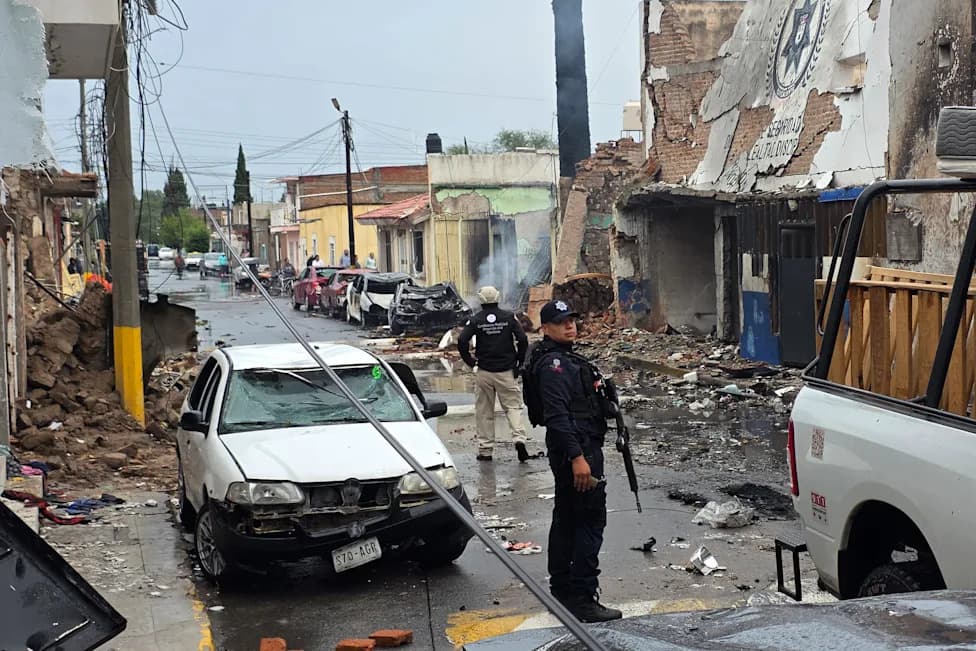
Concerns intensified in February after a federal operation targeting Nemesio Oseguera Cervantes, known as "El Mencho," the alleged leader of the Jalisco New Generation Cartel (CJNG). Reports say he was seriously wounded in the operation and died en route to a hospital. His death was followed by outbreaks of violence across parts of Jalisco, including Guadalajara, Zapopan and Puerto Vallarta.
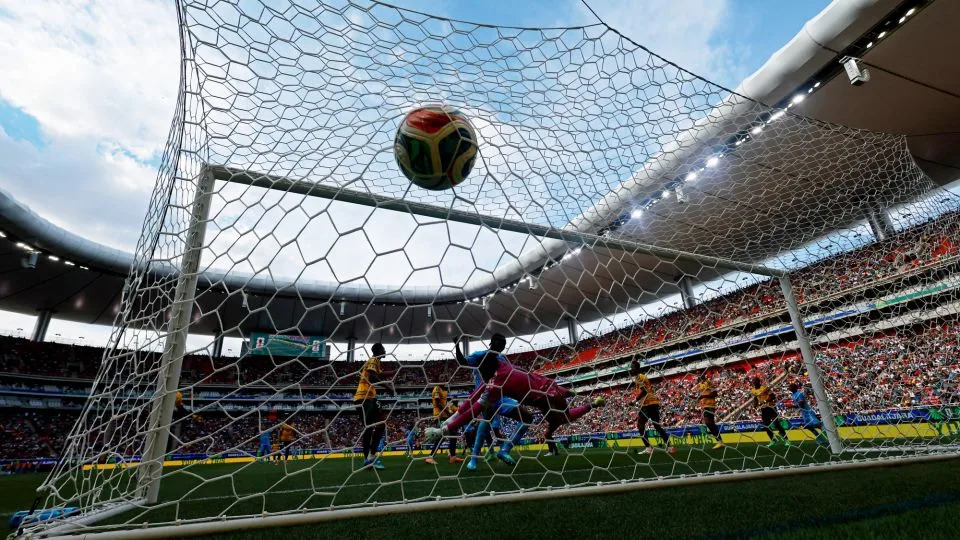
Inter-Confederation Playoffs in Estadio Guadalajara in Guadalajara, Mexico, on March 31, 2026. DR Congo's Axel Tuanzebe scores their first goal in extra-time. - Henry Romero/Reuters
Survey Highlights Across Host Cities
Zapopan, part of the Guadalajara metropolitan area and home to a stadium that will host World Cup matches, recorded a sharp rise in fear. Interviews that began on Feb. 23 — one day after reports of El Mencho’s death — found 70% of respondents said they felt unsafe, up from just over 54% in December.
Puerto Vallarta, the popular resort city, remains below the national average but showed the largest increase nationwide: a jump from 32% in December to 59.9% in the latest survey, nearly doubling the share of residents who say they feel unsafe.
Nationally, Guadalajara now ranks as the second city where residents feel most unsafe (90.2%), trailing only Irapuato in Guanajuato (92.1%). Guanajuato has seen high levels of organized-crime-related violence; through early 2026 it led the country's registry of violent deaths with hundreds of intentional homicides recorded.
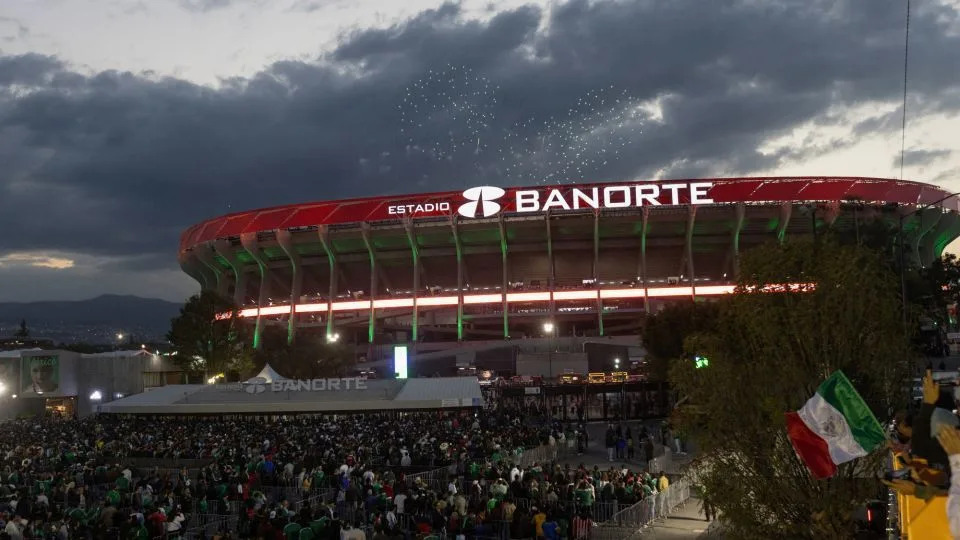
Fans line up outside Azteca Stadium, officially renamed Estadio Banorte, on the day of a friendly match between the national teams of Mexico and Portugal held to mark the stadium's inauguration on March 28. - Quetzalli Nicte-Ha/Reuters
In Mexico City, perceptions of insecurity have been relatively steady in the boroughs nearest a World Cup venue. In Coyoacán, 44% said they felt unsafe (down from 47.2% in December); in Tlalpan the figure rose slightly to 57.9% from 55.7%.
Monterrey (Nuevo León), another World Cup host city, reported a decline in perceived insecurity: 59.7% now say they feel unsafe, down from 67.4% in December. The nearby city of Guadalupe, home to Monterrey Stadium, also saw a drop—from 44.2% to 37%.
Context
The Jalisco New Generation Cartel (CJNG) is widely described by U.S. and international law enforcement agencies as one of Mexico’s most powerful and violent criminal organizations. Federal operations against cartel leadership can trigger short-term spikes in violence and public anxiety, which are reflected in local perceptions of safety.
Reporting note: CNN’s Michael Rios contributed to the original reporting.