After divorcing at 62, Margot Hollander used proceeds from selling her marital home to buy a tiny house in Eindhoven because social housing and mortgages were out of reach. Minitopia, a foundation that turns derelict land into tiny-home villages, has become especially popular with older divorced women; about 30% of applicants on its waiting list are single women. Tiny homes are often bought in cash and paired with modest ground rent, offering a practical and affordable alternative for those with assets but limited ongoing income. Experts say the trend reflects broader problems with housing supply, affordability, and the financial impact of divorce on women.
How Tiny-Home Villages Are Becoming a Lifeline for Older Divorced Women
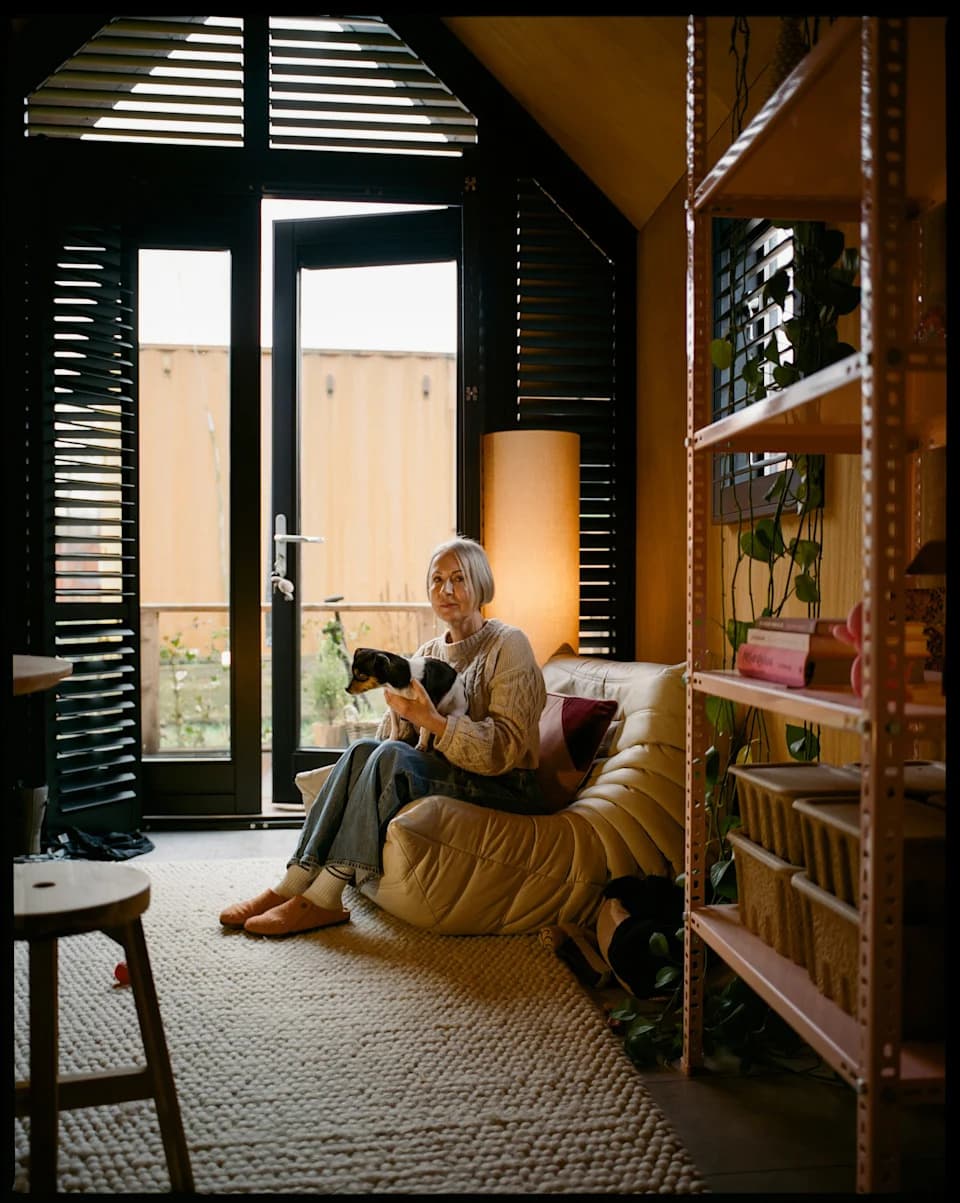
Margot Hollander, 64, lives in a tiny home with her dog.Samira Kafala for BI
After divorcing at 62, Margot Hollander faced a pressing practical question in 2023: where would she live next? With limited options for social housing, little chance of qualifying for a mortgage, and stiff competition on the rental market, she turned to an unexpected solution — a tiny-home village in her hometown of Eindhoven.
From Marital Home to Minitopia
Hollander, a retired dance teacher now in her mid-60s, sold the marital home and used roughly €145,000 (about $170,000) to buy a prebuilt tiny house in January 2024. She paid about €143,000 in cash and moved into Minitopia, a network of tiny-home communities developed by the Minitopia Foundation in the southern Netherlands.
Why Tiny Homes Appeal After Divorce
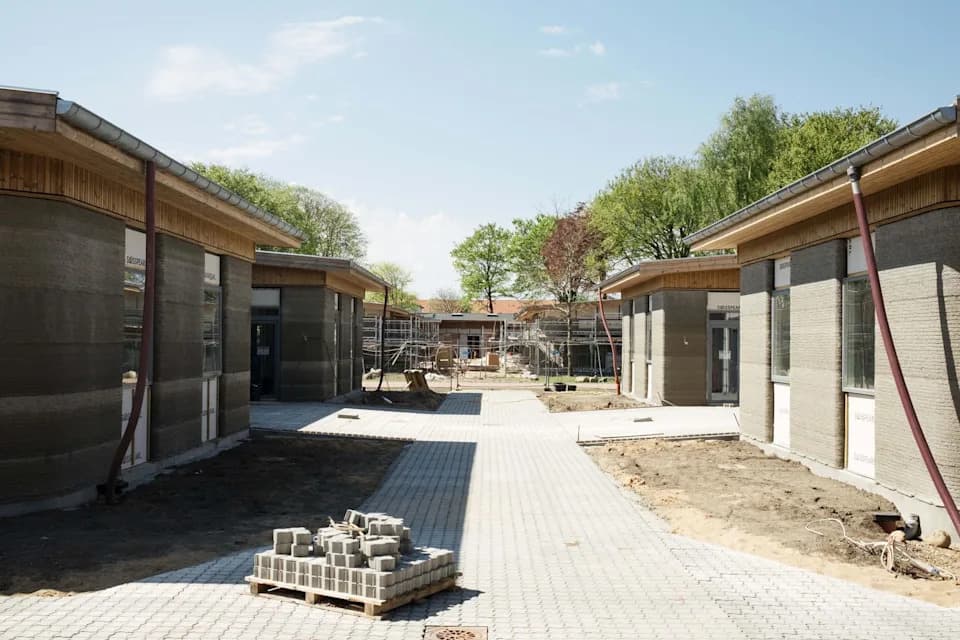
Minitopia converts derelict land into tiny-home villages in partnership with local governments. Across five sites it offers more than 150 plots and has nearly 2,000 people on its waiting list. Rolf van Boxmeer, Minitopia's cofounder, estimates that roughly 30% of applicants on the waiting list are single women — many older and recently divorced — who urgently need affordable, manageable housing.
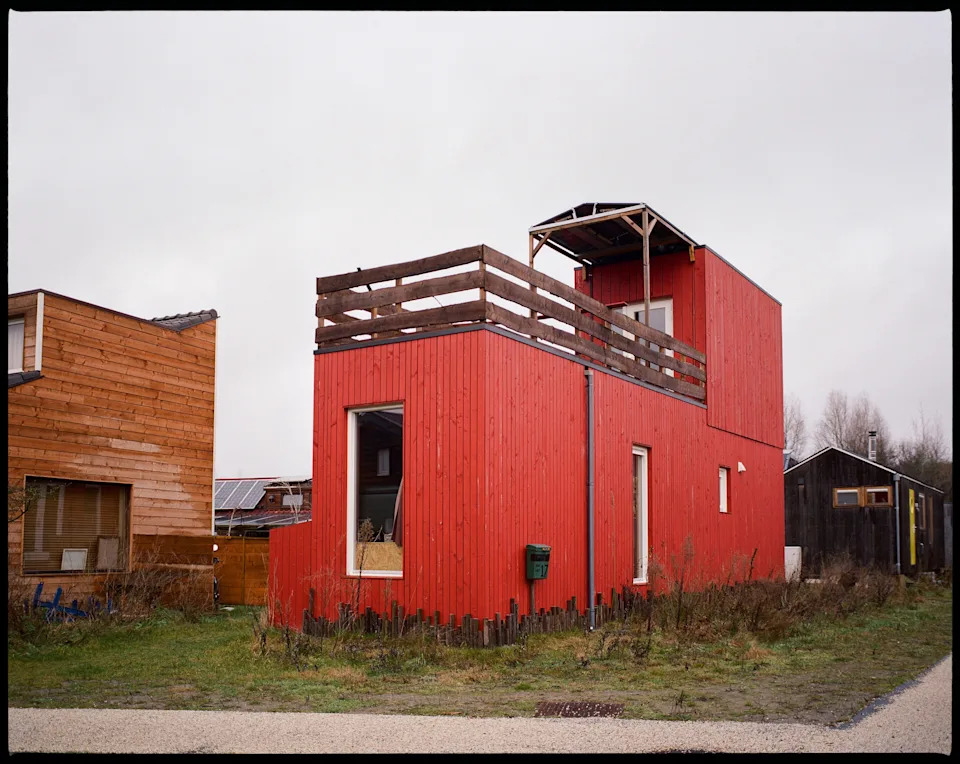
Tiny homes are usually more affordable than traditional houses.Samira Kafala for BI
The model offers different entry routes: residents can buy secondhand tiny houses, purchase a plot and build from scratch (plots can cost as little as €5,000 though are more commonly around €75,000), or buy a prebuilt unit. Because homeowners do not own the land outright, tiny homes in the Netherlands commonly do not qualify for traditional mortgages and are often bought outright with cash. Residents then pay ground rent to the foundation — typically a few hundred euros a month, depending on plot size — making this an affordable alternative to conventional ownership or private renting.
Voices From the Villages
Residents and local real estate professionals say the trend is frequently driven by necessity. Sidra Gifford, 54, lives alone in a Minitopia community in Valkenswaard and reports other divorcees in her small neighborhood. Real estate agent Mariska van de Velde notes that after a separation many people have proceeds from a sold home, but limited ongoing income, which makes cash purchases of tiny homes a viable option.
“Tiny houses are really one of the only potential solutions that these women can actually afford,” said Alice Elizabeth Wilson, a sustainability lecturer whose Ph.D. researched women's use of tiny homes.
Demographer Clara H. Mulder adds that divorce often creates urgency for housing and that women typically face disproportionate negative income consequences after separation. Combined with limited housing supply and affordability pressures, compact tiny homes can be a practical housing solution for older women living alone.
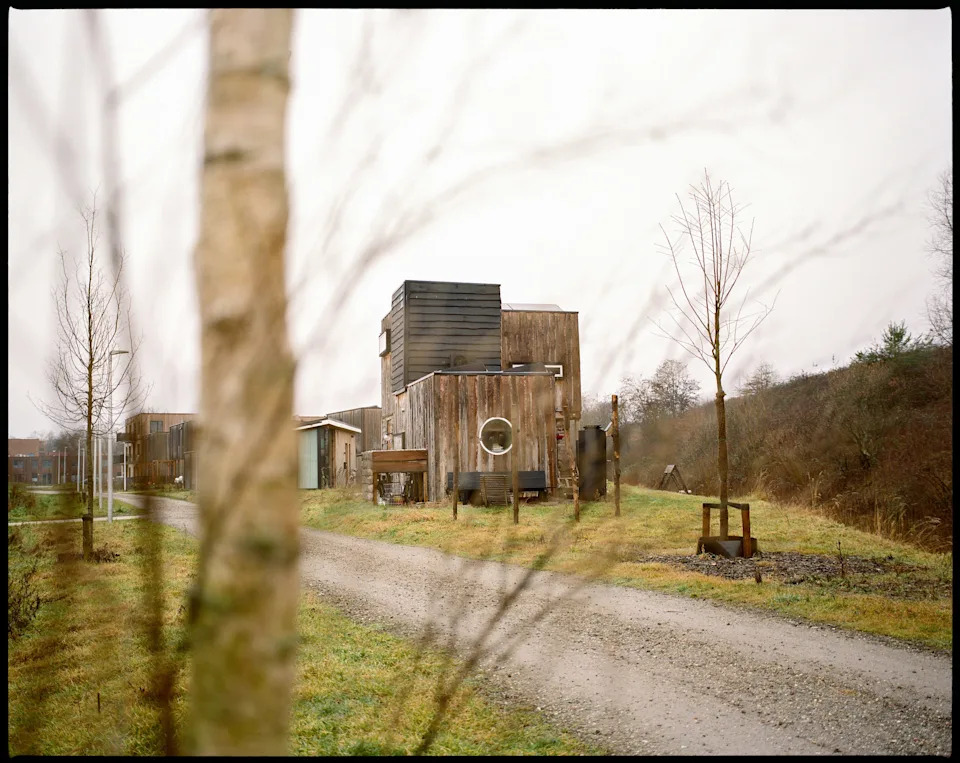
Minitopia is one of several tiny-house initiatives around the world.Samira Kafala for BI
Not Just The Netherlands
Similar stories have appeared abroad. In the U.S., women in Oregon and Texas have developed tiny-home communities in response to financial strain after divorce, and Escape Tampa Bay Village in Florida reports roughly one-third of its 33 residents are older or divorced women seeking a simpler, more manageable lifestyle.
More Than Practicality
For Hollander, the move to Minitopia has become more than a pragmatic response to immediate need; she now values the community and hopes her tiny home will be her last residence. “I hope this will be my last home,” she says. “Though I hope I’ve got plenty of years left in it yet.”
Context: The tiny-home option highlights larger structural issues — unequal economic outcomes after divorce, limited affordable housing supply, and the role of alternative housing models in filling gaps for vulnerable groups.
Help us improve.