Deir el-Balah held municipal elections on April 25 — Gaza’s first local vote in 21 years — as part of a wider local election process run by the Palestinian Central Elections Commission. About 70,000 eligible voters cast ballots at 12 centers using a closed-list system with gender quotas; formal parties did not participate under official banners. Candidates emphasized service delivery, while analysts cautioned the poll may be largely symbolic given wartime conditions and the complex international debate over technocratic post-war governance.
“Solutions, Not Slogans”: Deir el-Balah Holds Gaza’s First Municipal Election in 21 Years
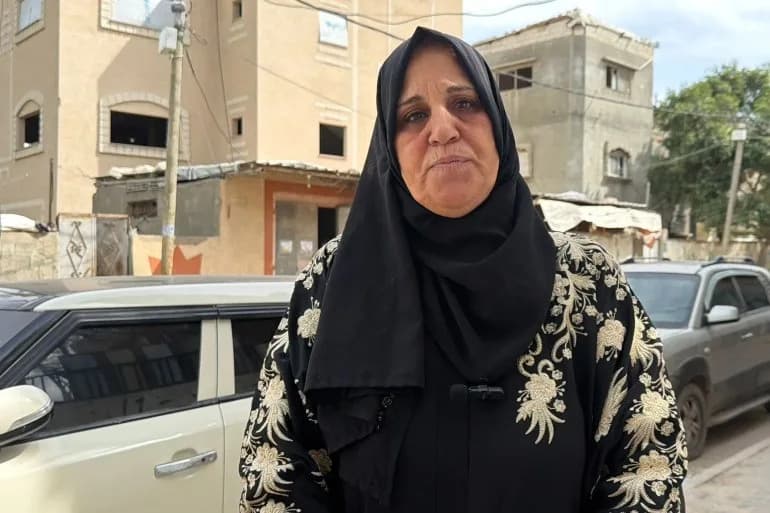
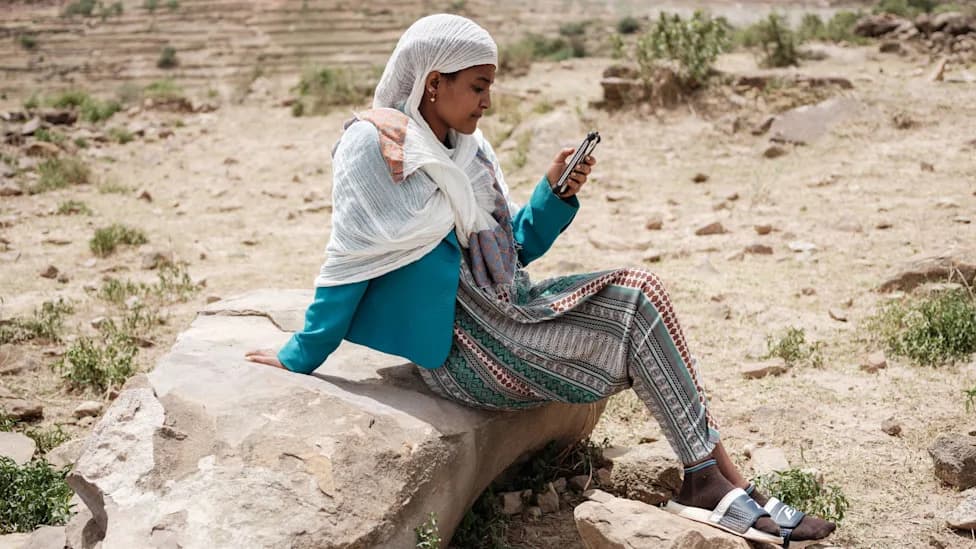
Rabha al-Bhaisi, a resident of Deir el-Balah in central Gaza, says she is more interested in essential services than political rhetoric ahead of the upcoming municipal vote [Al Jazeera]
Deir el-Balah in central Gaza held municipal elections on April 25 — the first municipal vote in the territory in more than two decades — as residents sought to re-establish local government while coping with the aftermath of Israel’s recent military campaign.
Background
The town was chosen as a pilot for reviving local democracy because it sustained relatively less damage than many other parts of the besieged enclave. Still, residents and local infrastructure bear deep physical and social scars from the fighting. In December 2024, the municipal building in Deir el-Balah was struck by Israeli forces, killing the incumbent mayor, Diab al-Jarou, and 10 municipal staff while they were providing services to displaced people; the attack occurred despite the city having been designated a "safe zone" by the military.
The Vote
The Palestinian Central Elections Commission (CEC), the independent authority that administers ballots across the Palestinian territories, ran the Deir el-Balah contest as a pilot alongside a broader local-election process in the occupied West Bank covering some 420 local councils. Roughly 70,000 eligible voters aged 18 and over could cast ballots between 7:00 and 17:00 local time (04:00–14:00 GMT) at 12 electoral centres — set up in venues such as stadiums, women’s activity centres and former clinics — each equipped with eight polling stations. The CEC also operated a toll-free hotline for registration checks and voter support.
Electoral System And Candidates
The election used a closed-list, preference-based system: each list must present at least 15 candidates and include a minimum of four women. Voters first select one of the competing lists and then cast preference votes for up to five specific candidates on that list. The 15 candidates with the most votes become council members, with rules intended to protect female representation.
Formal parties such as Hamas and Fatah did not run under official party banners. Instead, most candidates allied themselves around tribal, professional or local networks. Four nominally independent lists competed: Peace and Construction, Deir el-Balah Brings Us Together, Future of Deir el-Balah and Renaissance of Deir el-Balah. List leaders and candidates emphasized service delivery, transparency and distancing from partisan politics.
Voices On The Ground
“The citizen today is not looking for slogans, but for real solutions,”
said resident Rabha al-Bhaisi, reflecting widespread priorities: clean water, reliable electricity and functional sewage systems. Another resident, Ali Rayan, warned that voting alone would be insufficient if it did not translate into tangible improvements to daily life.
Analysts And Wider Implications
Political analysts cautioned against reading the poll as a straightforward measure of factional popularity in wartime conditions. Wesam Afifa told Al Jazeera that the extraordinary circumstances of conflict make it difficult for any party to use the vote as a barometer of support; instead, many local lists are rooted in family or community networks rather than formal partisan platforms.
The vote also intersects with international discussions about Gaza’s post-war management. Some reports have referenced proposals for a "technocratic" or internationally backed committee to oversee reconstruction and administration — including references to a so-called Board of Peace discussed in certain fora and linked by some sources to international figures such as Nickolay Mladenov. How any newly elected council would interact with such proposals remains unclear.
For the Ramallah-based Palestinian Authority (PA), holding parallel local ballots in the West Bank while Deir el-Balah votes in Gaza is seen as an attempt to reassert the PA’s relevance and symbolic authority amid concerns that international technocratic arrangements could marginalize it.
Outlook
Observers say the immediate test for any newly elected council will be practical: delivering essential services and functioning under harsh living conditions, closed crossings and ongoing political divisions. Deir el-Balah’s vote may either be the first step toward a broader return to local democracy or remain an isolated, symbolic experiment constrained by realities that ballots alone cannot resolve.
Help us improve.