Synchrotron X‑ray CT scans of a 250‑million‑year‑old fossil revealed a juvenile Lystrosaurus curled inside a soft, leathery egg. The specimen — excavated in 2008 and analyzed in 2026 by a team including Professors Julien Benoit and Jennifer Botha and Dr. Vincent Fernandez (ESRF) — provides direct evidence that this non‑mammalian synapsid laid eggs. The finding illuminates reproductive evolution near the origin of mammals and may help explain how Lystrosaurus survived the End‑Permian extinction.
Hidden for 18 Years: X‑Rays Reveal a 250‑Million‑Year‑Old Lystrosaurus Egg with a Juvenile Inside
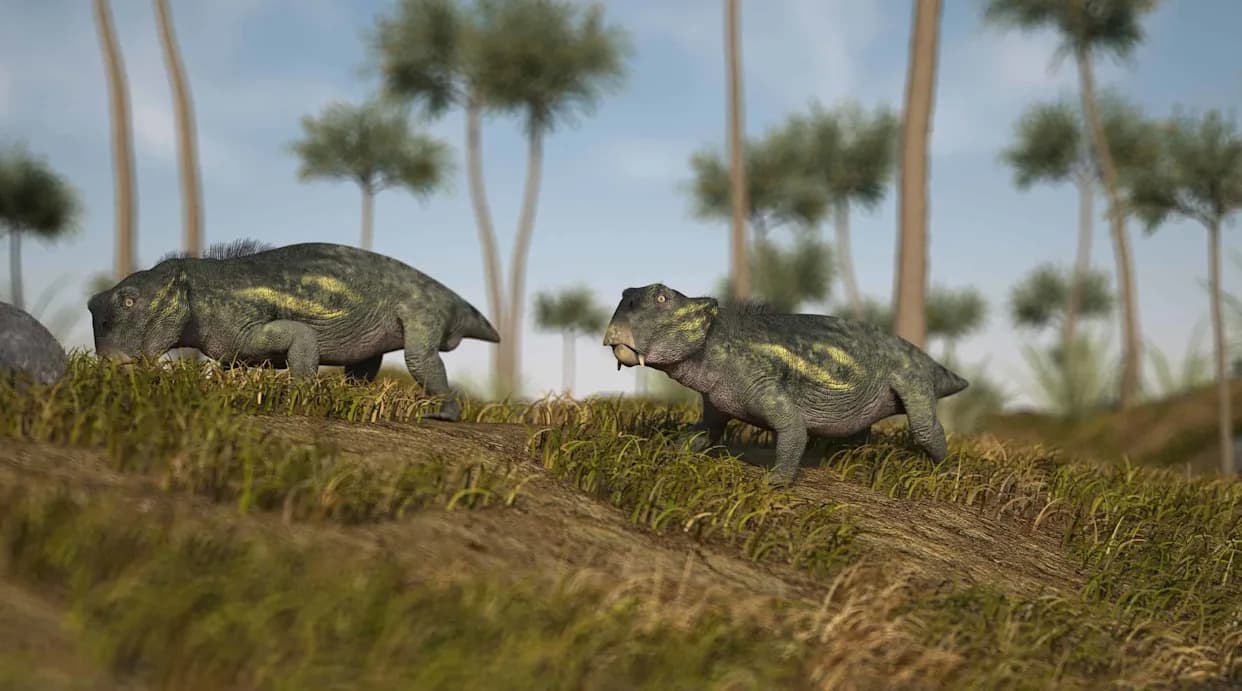
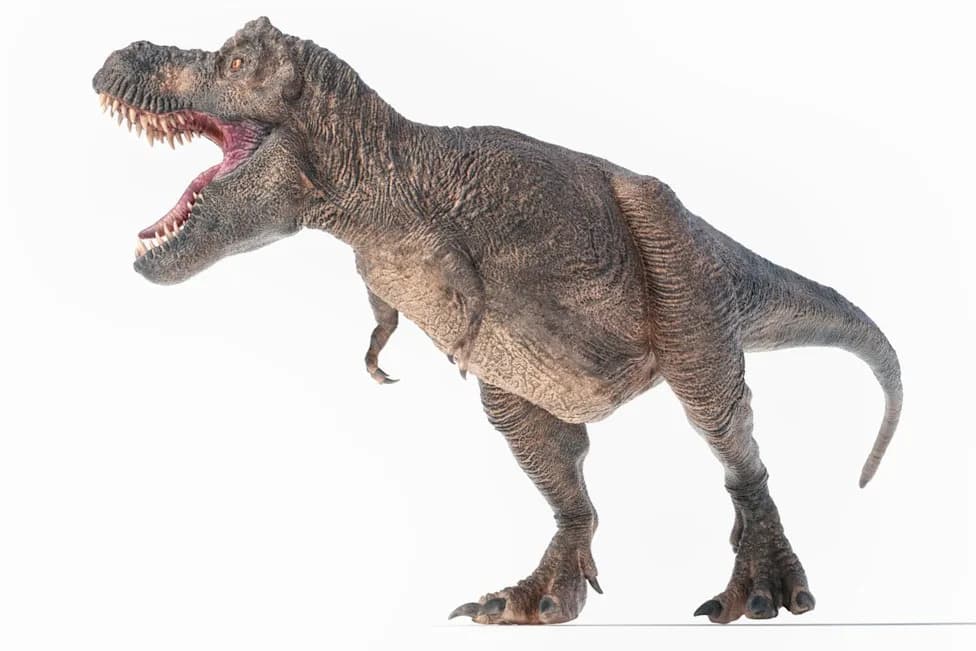
Lystrosaurus© Kostiantyn Ivanyshen/Shutterstock.com
For nearly two decades a fossil unearthed in South Africa sat waiting for the technology that would reveal its secret. In 2026, scientists used powerful synchrotron X-ray CT scanning to peer inside a 250‑million‑year‑old specimen and discovered a juvenile Lystrosaurus curled within a soft, leathery egg — direct evidence that this non‑mammalian synapsid reproduced by laying eggs.
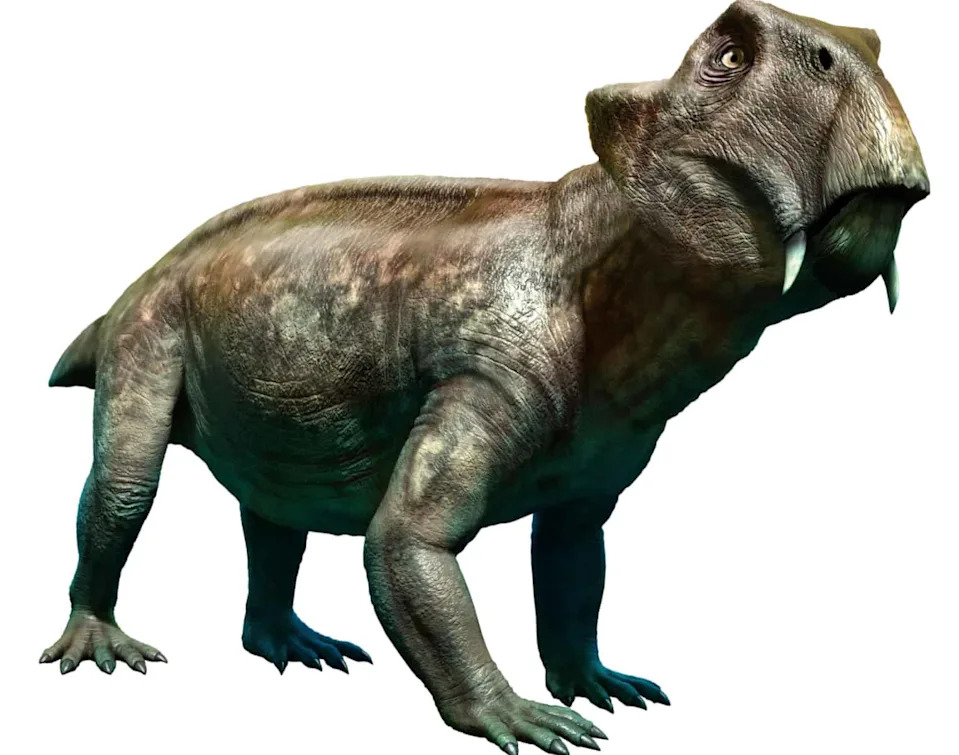
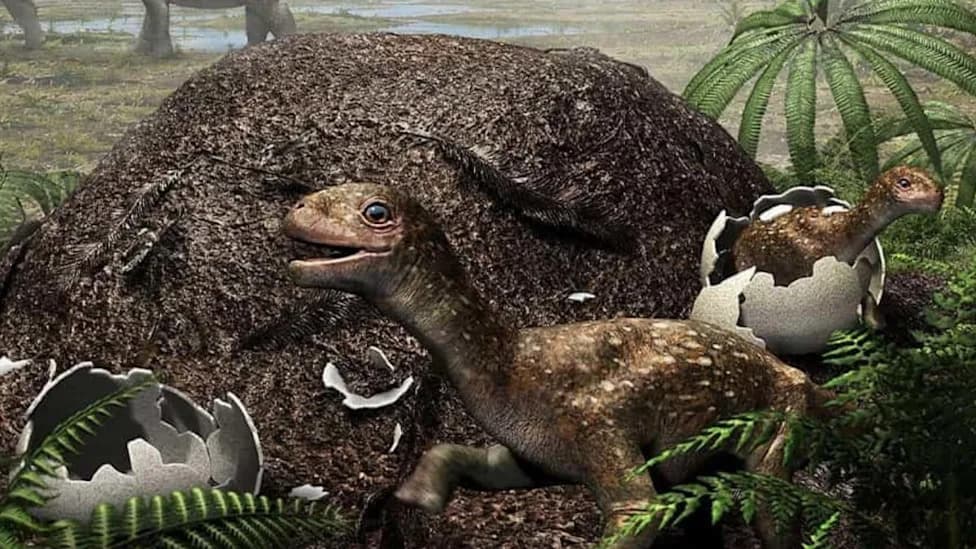
Lystrosaurus was a pig-sized herbivore that laid soft-shelled eggs.©Warpaint/Shutterstock.com
What the Fossil Shows
Lystrosaurus was a three‑foot, pig‑like herbivore with a beaklike mouth, tusks and large forelimbs. While not a true mammal, it belongs to the synapsid lineage that is ancestrally related to mammals. Fossils of the genus have been found across former Pangea — notably South Africa, India and Antarctica — and paleontologists long suspected it reproduced by laying eggs. The new scans provide the first direct fossil evidence supporting that hypothesis.

The egg was discovered nearly two decades earlier, but scientists lacked the technology to reveal its contents.©Gorodenkoff/Shutterstock.com
How the Discovery Happened
The fossil was excavated in 2008 by Professor Jennifer Botha of the Evolutionary Studies Institute (University of the Witwatersrand). Preparatory work by John Nyaphuli hinted at bone fragments, but only in 2026 did a team led by Professor Julien Benoit, Professor Botha and Dr. Vincent Fernandez (ESRF — European Synchrotron Radiation Facility) apply synchrotron X-ray CT to the specimen. The scans revealed the mandibular symphysis and an underdeveloped lower jaw consistent with a juvenile (neonate) Lystrosaurus curled inside a leathery egg.
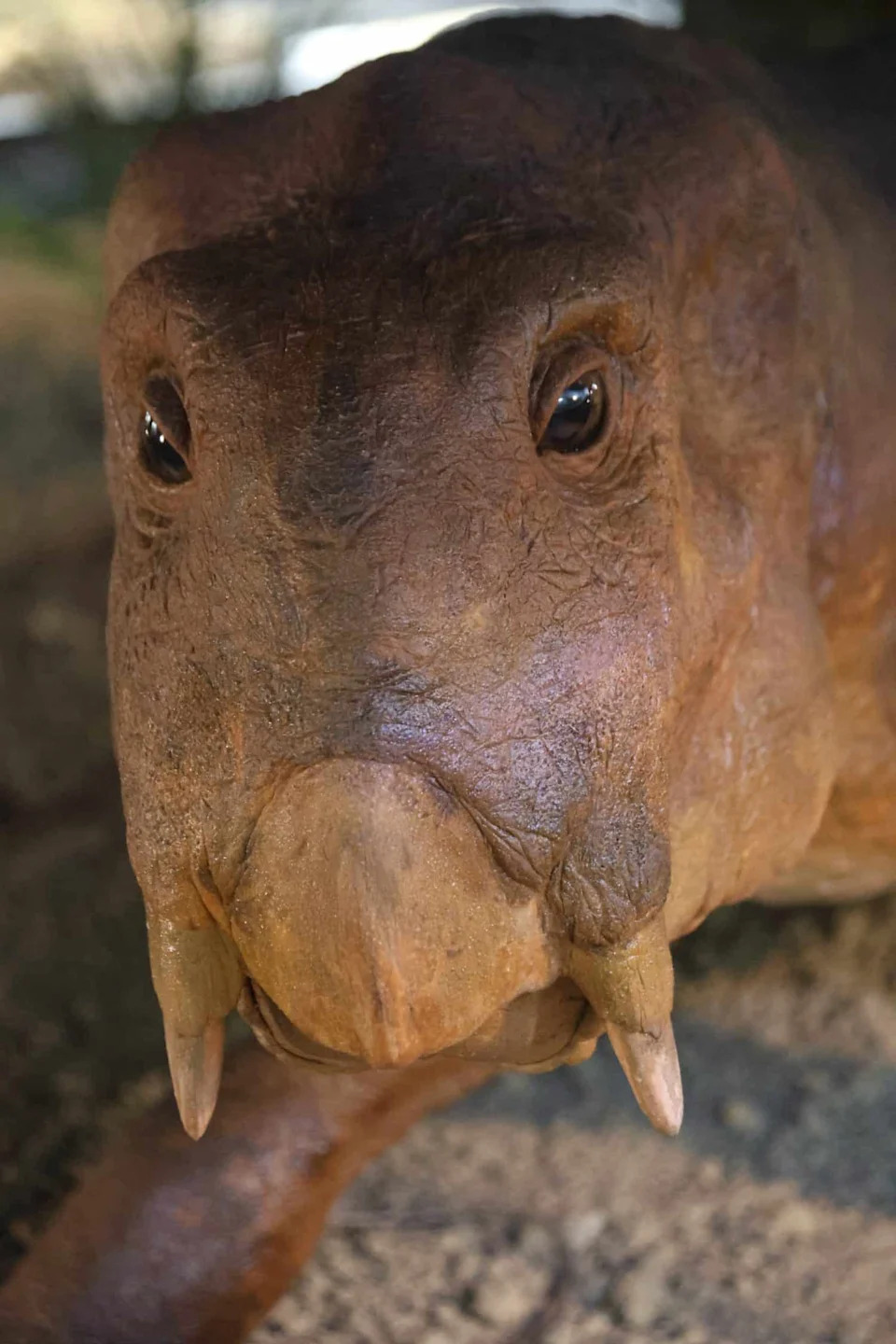
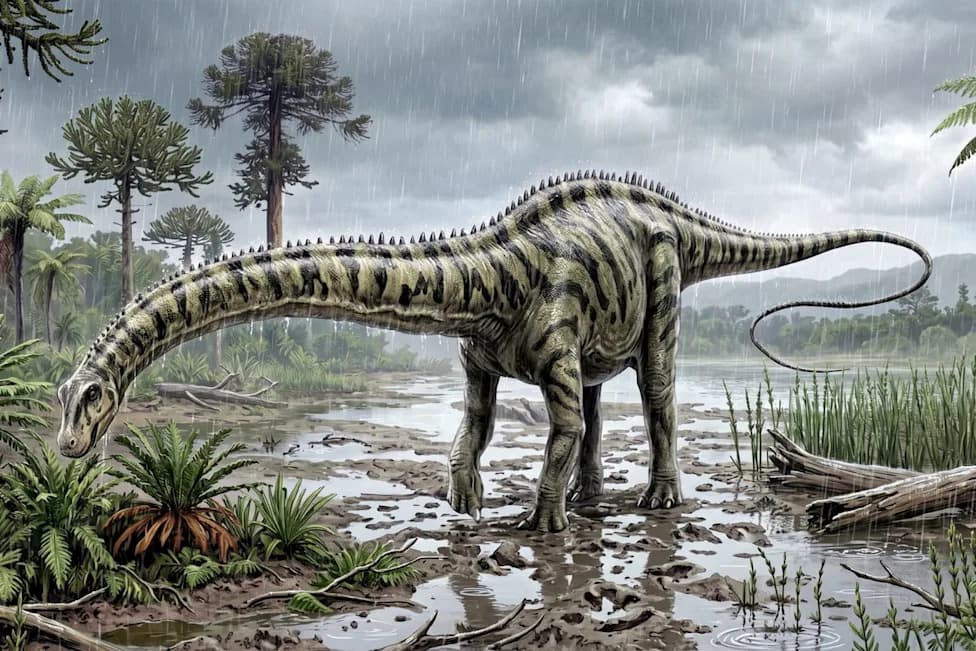
Lystrosaurushad a turtle-like mouth, tusks, and a pig-like body, combining features from multiple modern-day animals.©Jaroslaw Piwowarski/Shutterstock.com
Why It Matters
The find sheds light on reproductive strategies near the origin of mammals and helps refine our understanding of early synapsid development. The soft, leathery shell contrasts with the calcified eggs of modern birds and some reptiles; researchers suggest such membranes may have allowed greater oxygen exchange for hatchlings. Remarkably, hard eggshells do not appear in the fossil record until roughly 50 million years later, making this specimen one of the earliest examples of soft‑shelled reproduction among synapsids.
Survival After Mass Extinction
Lystrosaurus is notable for surviving the End‑Permian mass extinction around 252 million years ago. Scientists speculate that aspects of its biology — including reproductive mode, physiology and ecological flexibility — may have contributed to that resilience. While the juvenile in this egg died before hatching, its preservation is extraordinary given the fragile, easily damaged nature of leathery eggs.
Note: Lystrosaurus is a non‑mammalian synapsid related to the lineage that eventually produced mammals; it is not necessarily a direct ancestor of modern mammals.
The discovery underscores how advances in imaging technology can transform specimens collected decades earlier into sources of new scientific insight. It also provides a vivid snapshot of early vertebrate reproduction and development at a pivotal point in Earth's history.
Help us improve.