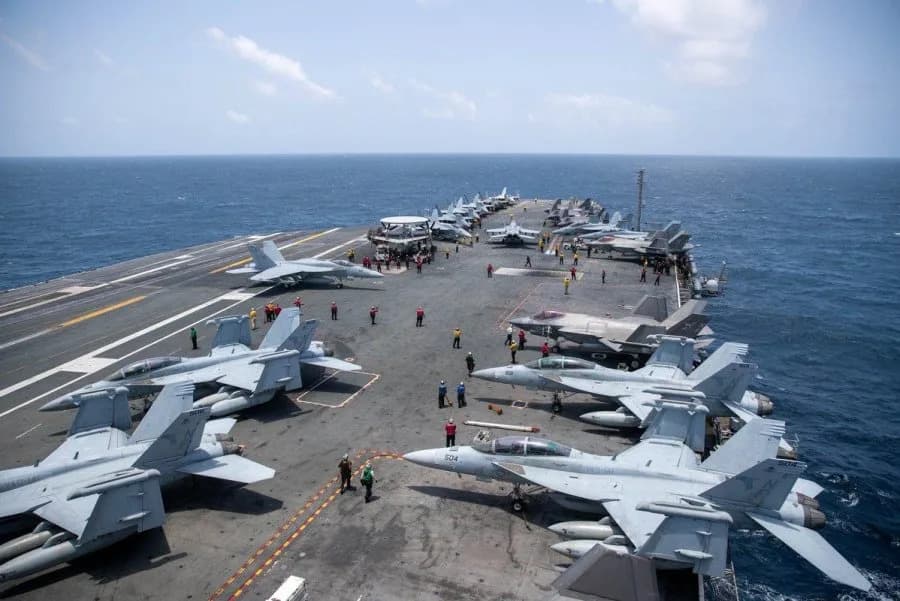
The Pentagon has dismissed a Washington Post report that it estimated six months would be needed to clear Iranian-laid mines from the Strait of Hormuz, calling the coverage selective and misleading. Lawmakers were told Iran may have placed 20 or more mines and declared a 1,400 sq km "danger zone." International planners from 30+ countries are meeting on a UK-France led effort to protect navigation and conduct mine clearance. Officials emphasize the complexity of clearing mines and dispute any single definitive timetable.
Pentagon Rejects Report That Clearing Mines From Strait Of Hormuz Would Take Six Months
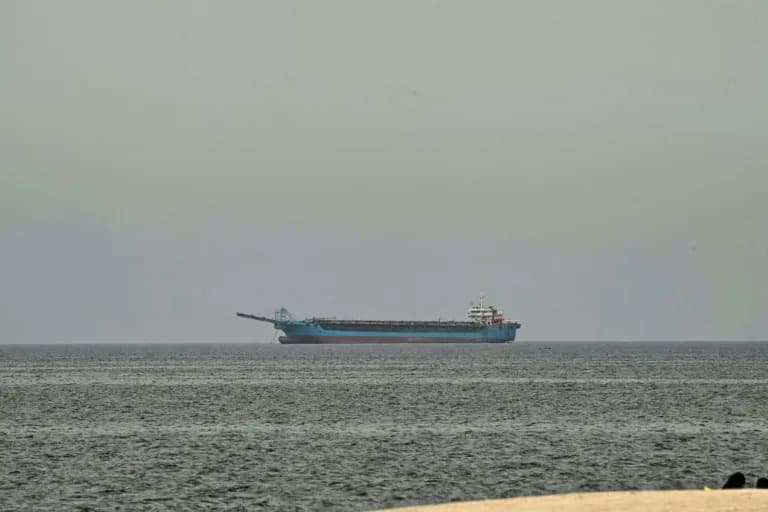
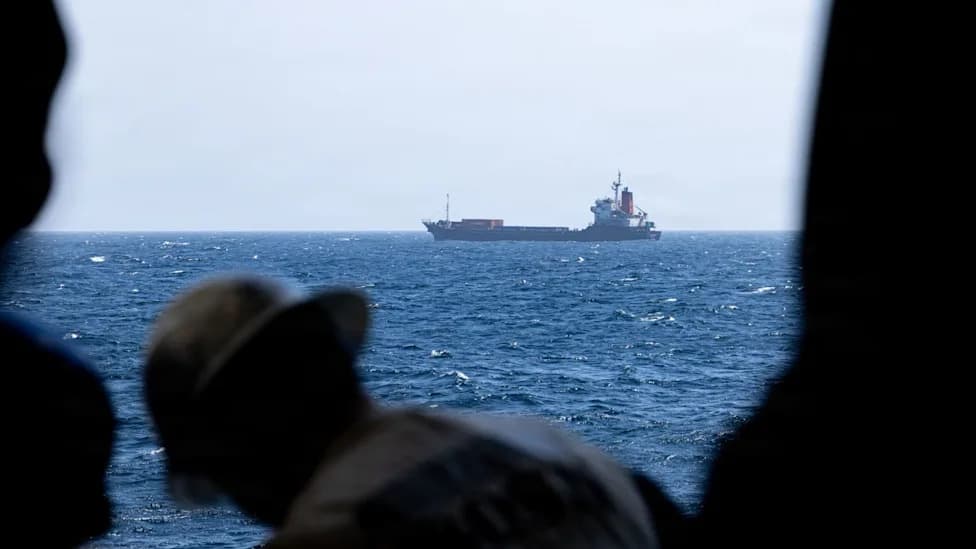
US lawmakers were told that Iran may have placed 20 or more mines in and around the Strait of Hormuz, the Washington Post reports (-)(-/AFP/AFP)
The Pentagon on Thursday forcefully denied a Washington Post report that it had concluded it would take six months to clear Iranian-laid mines from the Strait of Hormuz, calling the coverage a selective reading of a classified briefing.
Chief Pentagon Spokesman Sean Parnell told AFP that the media had been "cherry picking leaked information, much of which is false, from a classified, closed briefing," and added that "one assessment does not mean the assessment is plausible, and a six-month closure of the Strait of Hormuz is an impossibility and completely unacceptable to the Secretary."
What Officials Say
The Washington Post reported that during a classified House Armed Services Committee briefing, Pentagon officials estimated it could take up to six months to fully clear the waterway, citing three unnamed sources. Pentagon officials dispute that the estimate represents an authoritative, operational timeline.
Scope Of The Threat
Lawmakers were warned that Iran may have deployed 20 or more mines in and around the strait, and that some devices could be remotely floated or guided using GPS technology, which can complicate detection and neutralization efforts. Iran's Islamic Revolutionary Guard Corps has warned of a "danger zone" of roughly 1,400 square kilometres—about 14 times the size of Paris—where mines could be present.
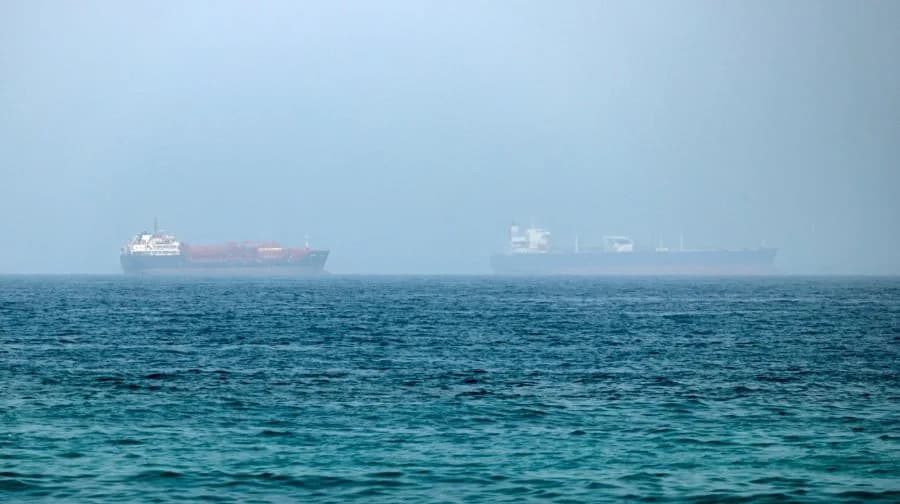
A spokesman for the German shipping firm Hapag-Lloyd said shippers remain fearful for safety and urgently need clear information on viable routes. When the strait briefly reopened at the start of the ceasefire, only a handful of vessels transited amid concerns about attacks or undiscovered mines.
International Response And Mine-Clearing Challenges
London hosted talks with military planners from more than 30 countries about a UK- and France-led multinational mission to protect navigation in the Strait of Hormuz and to conduct mine-clearance operations after hostilities end. The proposed coalition has described the mission as defensive and focused on reopening shipping lanes safely.
Clearing mines is complex and time-consuming: US researcher Scott Truver notes that multinational forces required more than two years to remove hundreds of mines and declare the northern Gulf mine-free after the 1990–91 Gulf War—an example often cited to underline the logistical challenges.
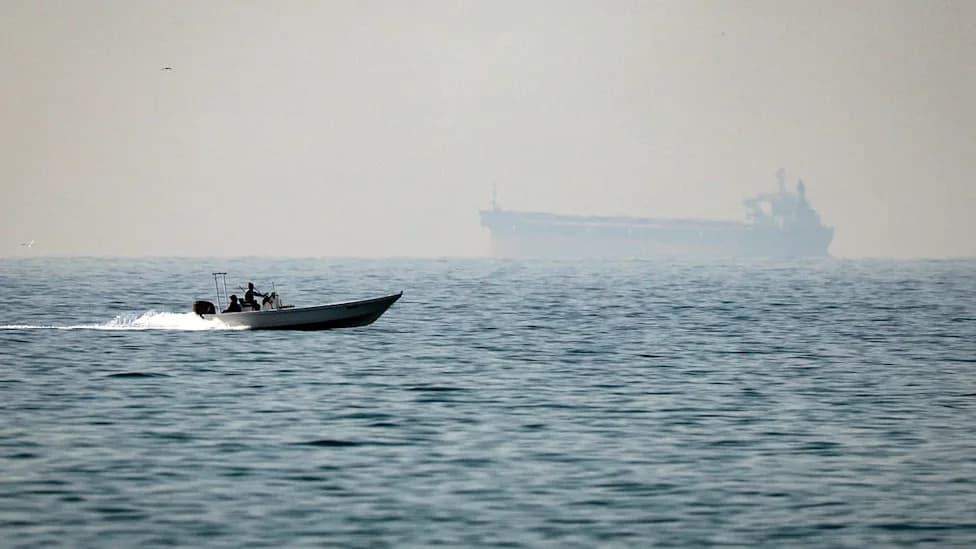
The US Navy has said some of its ships transited the strait this month to begin mine-clearance work, a claim rejected by Iran's Revolutionary Guards, which have threatened any military vessels attempting to cross the channel. The competing statements underscore the uncertainty over both the scale of the threat and the timeline for safe reopening of the waterway.
Bottom line: Officials disagree over how long mine-clearance operations might take. While some assessments suggest the task could be lengthy, Pentagon leaders publicly reject the six-month estimate and stress that such a prolonged closure would be unacceptable.
Help us improve.