Field observations published in Ecology and Evolution suggest some tarantulas may navigate using remembered routes rather than random movement. Researchers documented nine cases from French Guiana and Iran, including an arboreal tarantula that took the same ~2 m route nightly for two weeks. Evidence indicates navigation may combine memory with tactile, vibrational, silk and chemical cues. The authors call for controlled experiments to distinguish genuine spatial memory from behavior guided by sensory traces.
Can Tarantulas Find Their Way Back? New Field Study Suggests They Might
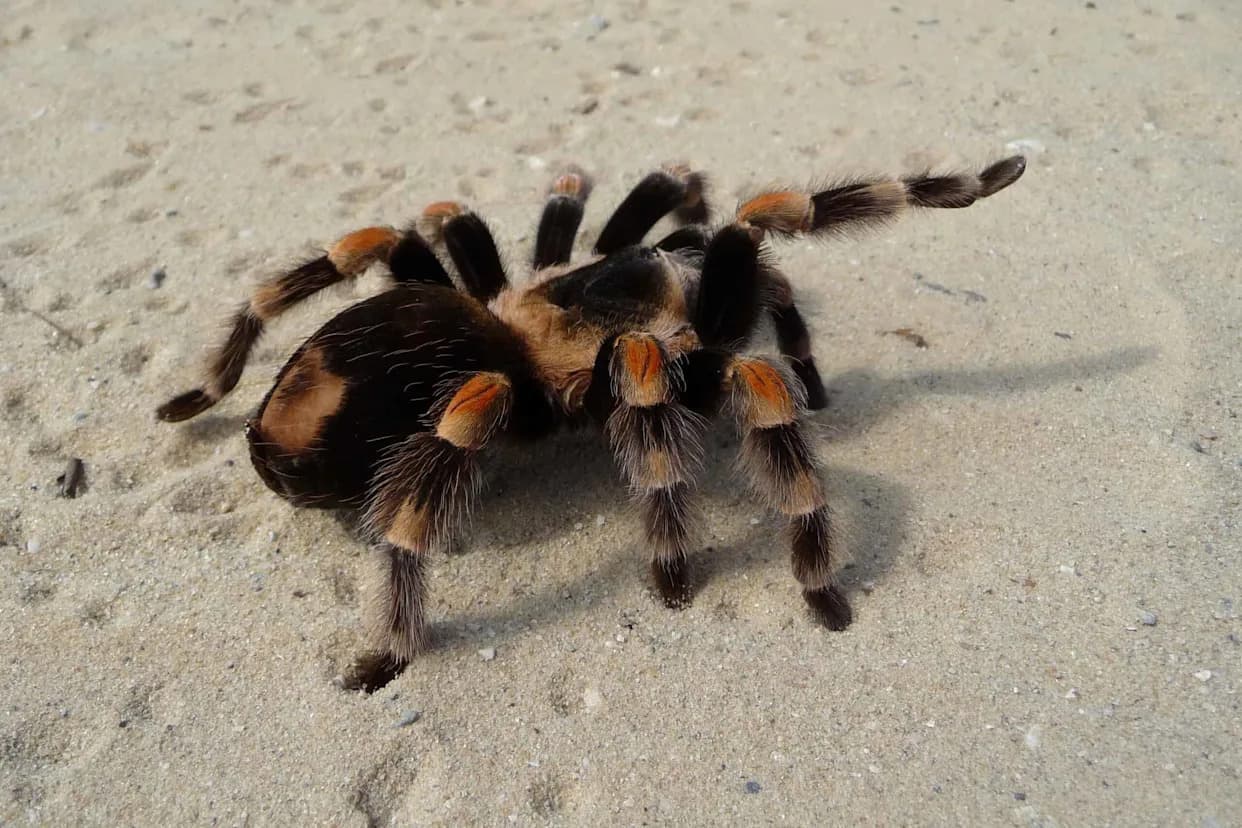
Brachypelma smithi tarantula© George Chernilevsky / Public Domain CC0
New field observations suggest tarantulas may do more than stumble through the dark — they might remember and reuse routes to familiar locations. A recent study published in Ecology and Evolution reports repeated, directed movements by both tree-dwelling and burrow-dwelling tarantulas in natural habitats in French Guiana and Iran.
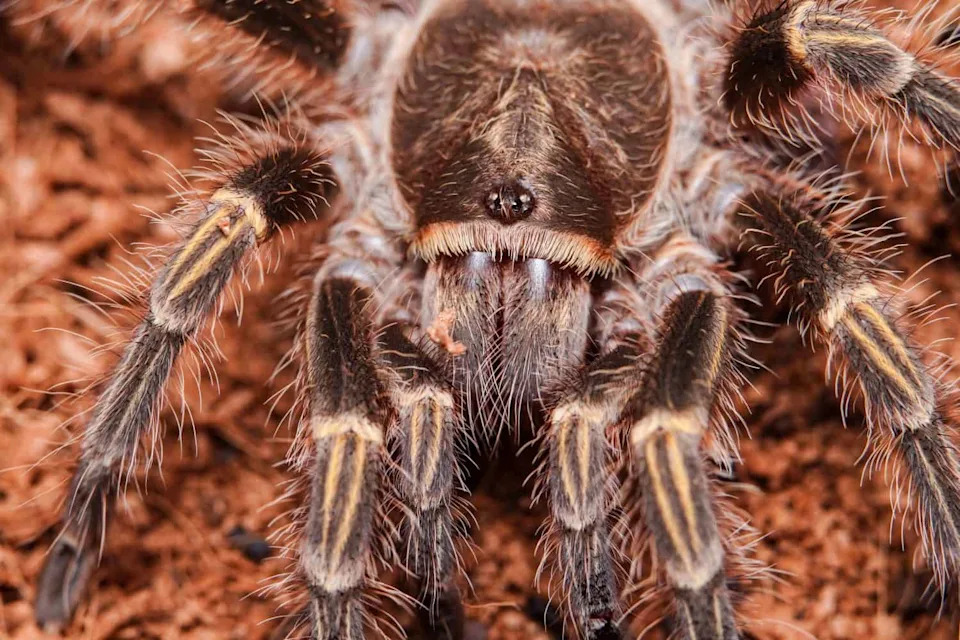
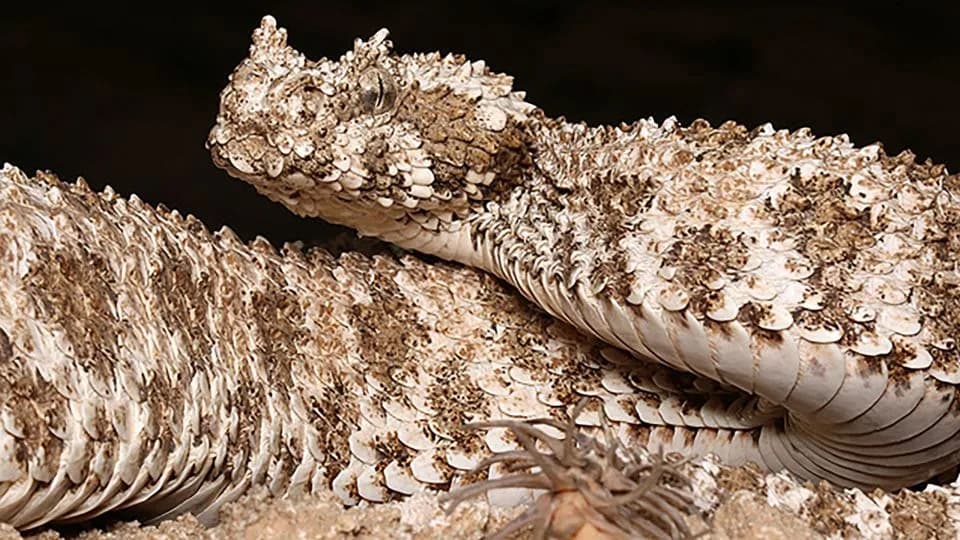
Tarantulas may have the ability to recall destinations, a new study suggests.©Lemonade Serenade/Shutterstock.com
What the Researchers Observed
Led by Alireza Zamani (University of Turku) with collaborator Rick C. West, the team documented nine field observations of New World tarantulas, including arboreal Aviculariinae and a blind cave-dwelling species. The evidence points to flexible, experience-based navigation rather than purely random wandering.
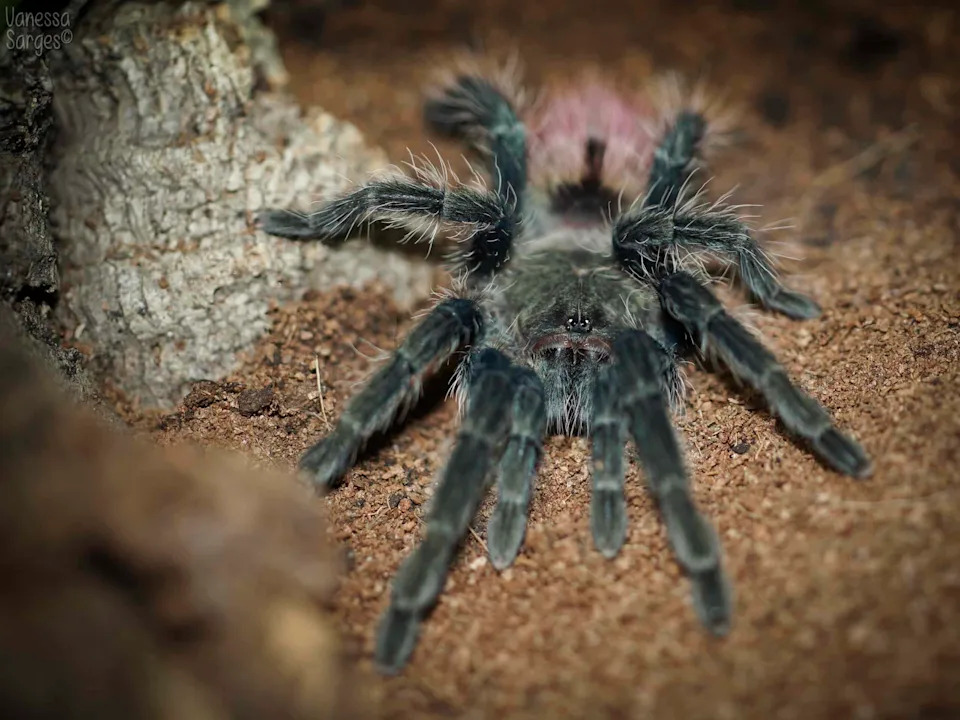
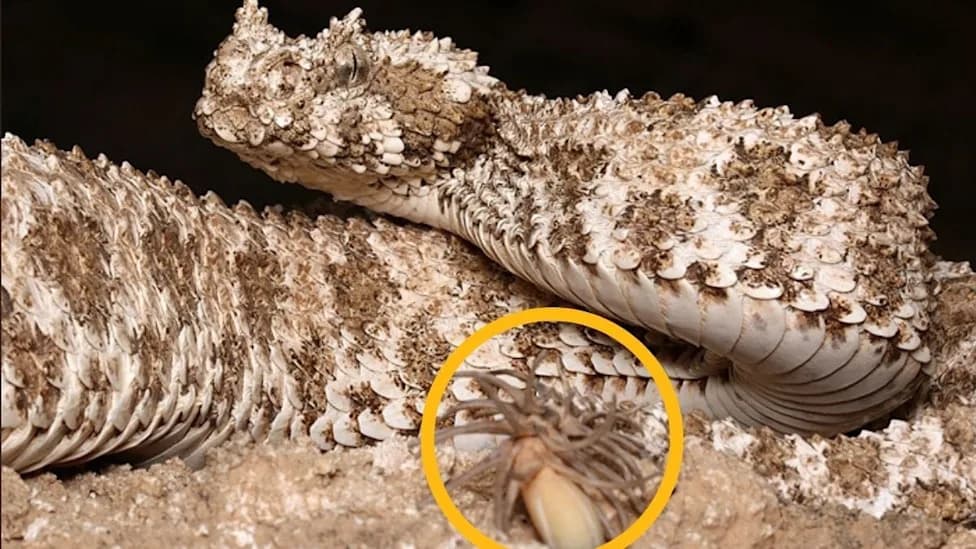
Vibrations and silk threads may also help tarantulas navigate previously explored locations.©ArachnoVegan / CC BY-SA 4.0 –Original/License
Notable Examples
One striking case involved an arboreal tarantula at a lodge in French Guiana that was watched for two consecutive weeks. Each night shortly after sunset, the spider left its retreat, traveled roughly two meters along a beam, made a precise right-angle turn, and continued another ~2 meters to a light where flying insects congregated. The spider repeated this identical route every night, implying it may recall reliable paths to consistent food sources.
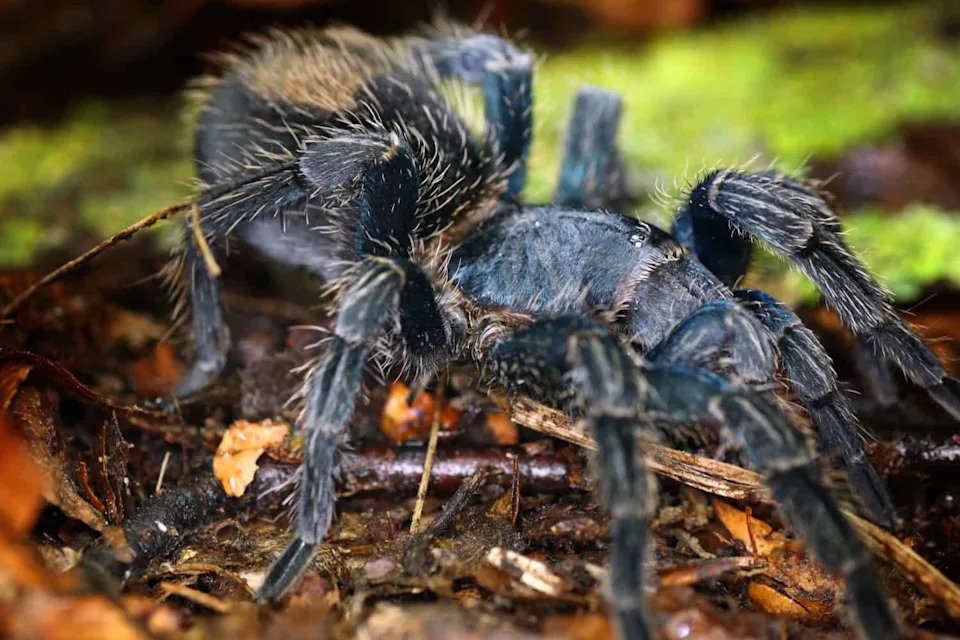
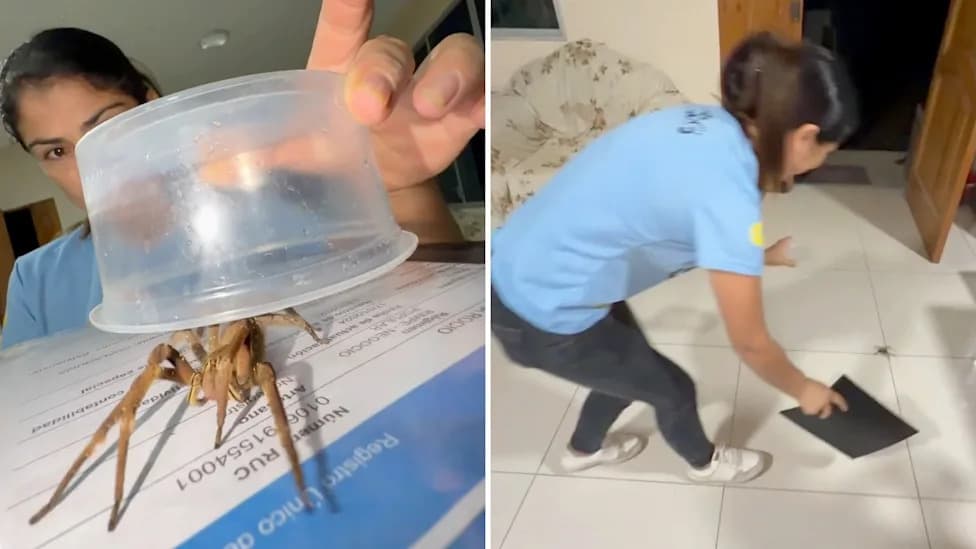
Scientists are eager to observe tarantulas in the field rather than in a lab setting.©Geleedpotigen/Shutterstock.com
Other Aviculariinae individuals were observed repeatedly leaving retreats to hunt at artificial lights, and some ground-dwelling tarantulas in floodplain areas climbed into shrubs or low trees — not only during floods but also in the dry season — suggesting these elevated refuges were remembered safe sites.
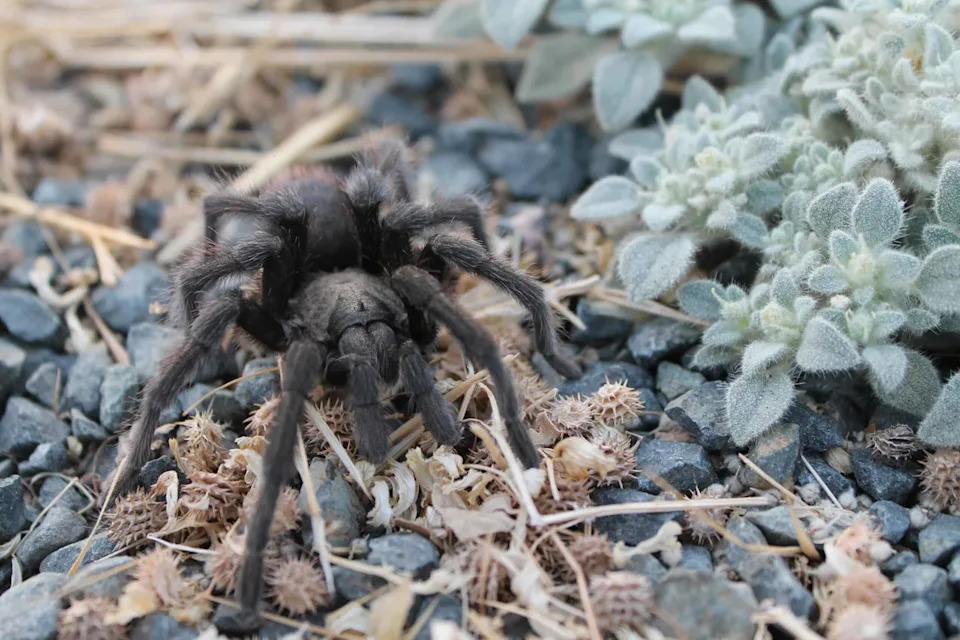
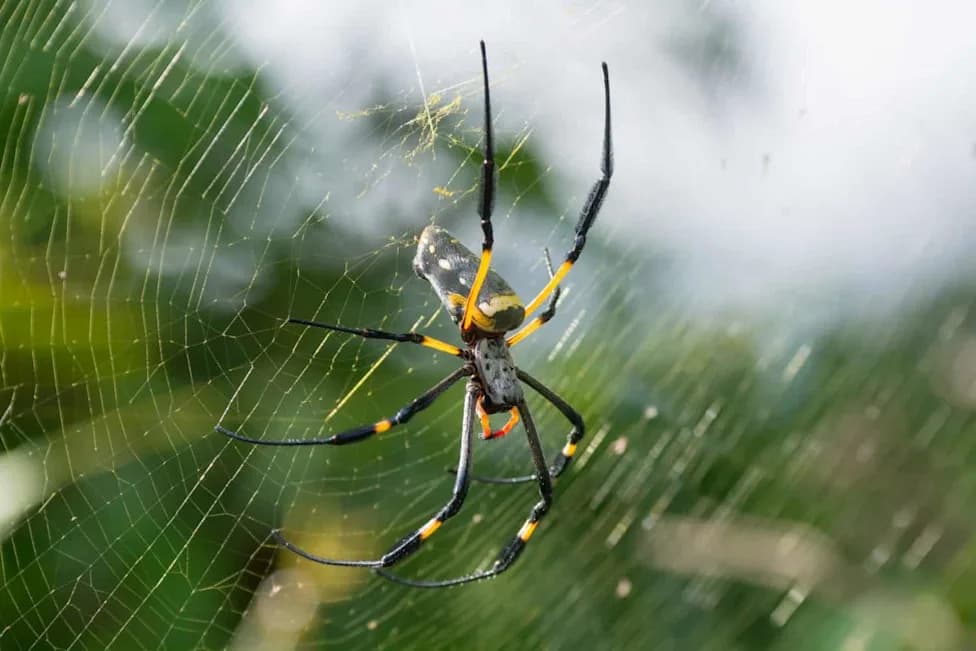
Do tarantulas remember where they’ve been? More research is on the horizon.©Mychemicalromanceisrealemo / Public Domain CC0 1.0 –Original/License
How Might They Navigate?
The researchers propose that tarantula navigation likely relies on multiple cues: tactile feedback, vibrations, silk-thread markers and chemical traces, as well as learned spatial information. For example, a blind cave species was seen returning directly to its burrow along a straight path after being startled, indicating non-visual cues played a central role.
“Previous studies have shown that tarantulas can learn to avoid unpleasant stimuli, navigate complex mazes, and remember spatial locations over time,” Zamani noted, arguing these abilities imply nervous systems capable of more flexible behavior than traditionally assumed.
Limitations And Next Steps
While the field observations are compelling, the authors emphasize that controlled experiments are still needed to separate true memory-based navigation from behavior driven by silk trails, scent marks or immediate sensory cues. Combining field observations with laboratory experiments will help clarify how sensory information, experience and memory interact during navigation and prey search.
Bottom line: These field-based observations open the possibility that tarantulas can learn and reuse routes in nature, but further experimental work is required to confirm how much of this behavior depends on memory versus sensory markers.
Help us improve.