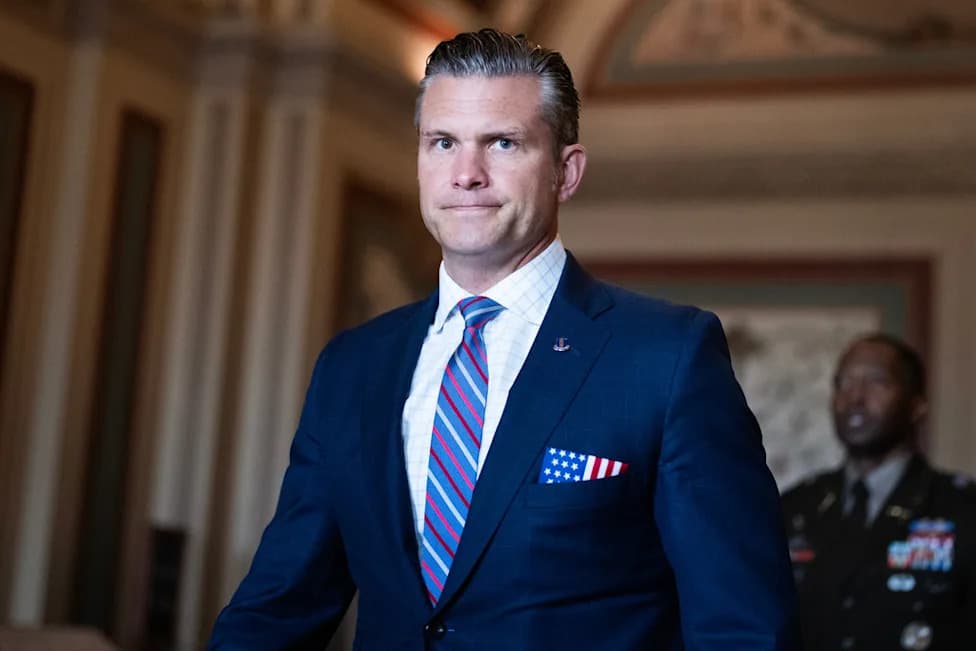
The Pentagon announced the immediate removal of Navy Secretary John Phelan as U.S. naval forces confront a tense standoff with Iran in the Strait of Hormuz. Reports cite internal disputes with Defense figures Pete Hegseth and Steve Feinberg over personnel and an accelerated "golden fleet" shipbuilding initiative, along with renewed scrutiny over Phelan’s past associations. Hung Cao, a former Navy officer aligned with Trump-era politics, will serve as acting secretary. The change creates a leadership gap at a critical strategic moment.
Pentagon Removes Navy Secretary John Phelan Amid Strait of Hormuz Standoff
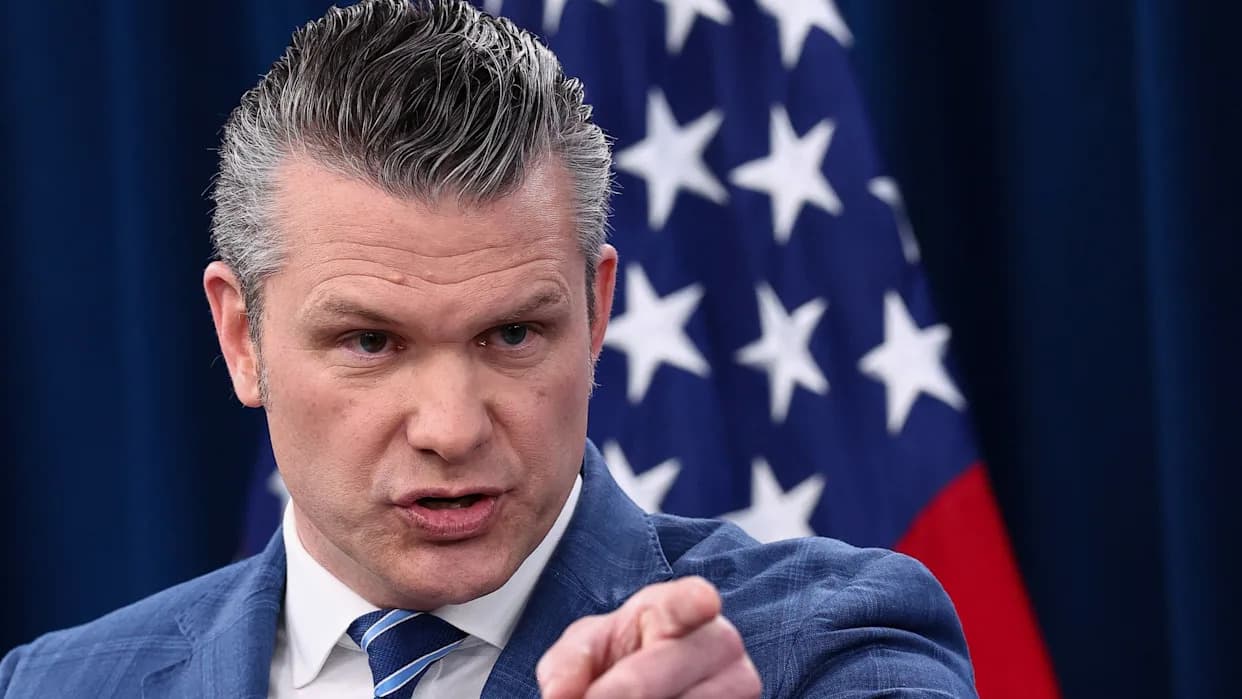
Kevin Lamarque / REUTERS(Kevin Lamarque)
Navy Secretary John Phelan was abruptly removed from his post, Pentagon spokesman Sean Parnell announced on X, saying Phelan was "departing the administration, effective immediately." The dismissal comes as U.S. naval forces face a tense standoff with Iran in the strategic Strait of Hormuz.
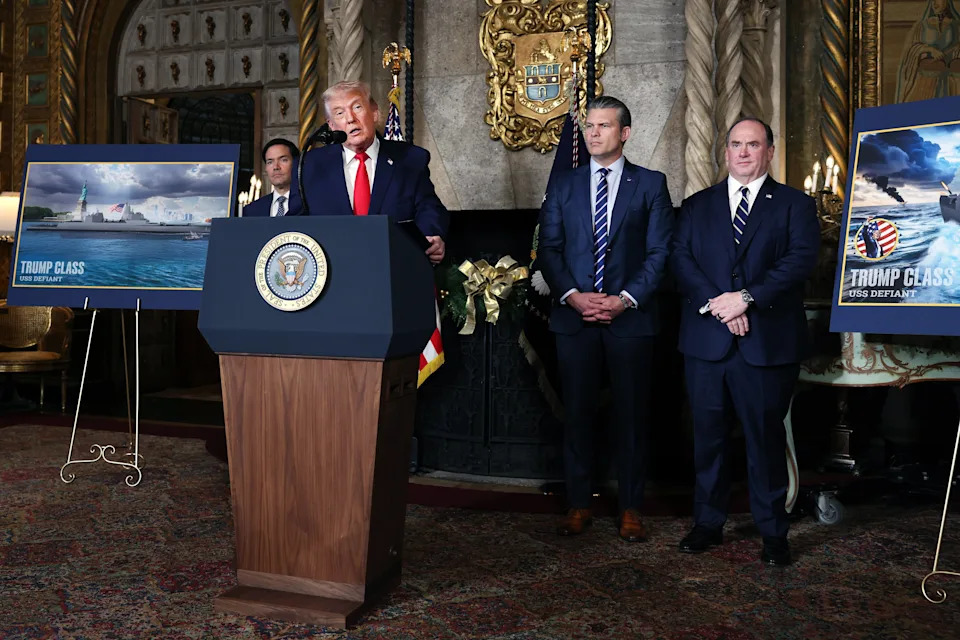
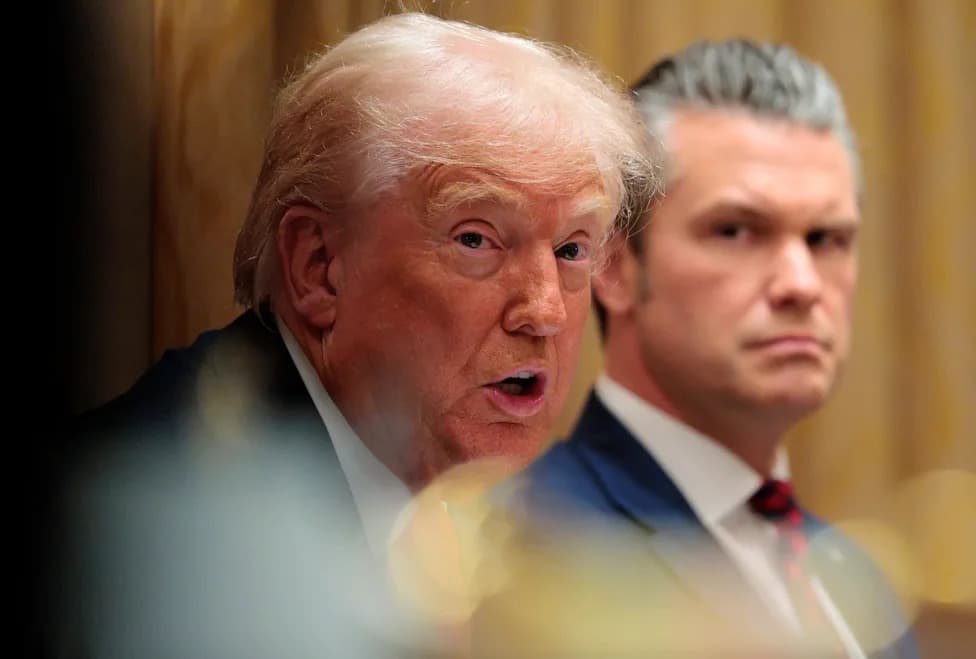
President Donald Trump, joined by Secretary of State Marco Rubio, Secretary of Defense Pete Hegseth, and Secretary of the Navy John Phelan to announce “Trump-class” battleships. / Tasos Katopodis / Getty Images
Internal Tensions And Shipbuilding Dispute
According to reporting by the New York Times and other outlets, Phelan had been at odds with senior Defense Department figures, including Pete Hegseth and Steve Feinberg, over personnel decisions, management style and implementation of an accelerated shipbuilding plan described internally as a "golden fleet." The New York Post reported that the initiative has been discussed in terms that include newly promoted "Trump class" battleships; sources told the Post that administration officials wanted to speed the program to match presidential priorities.
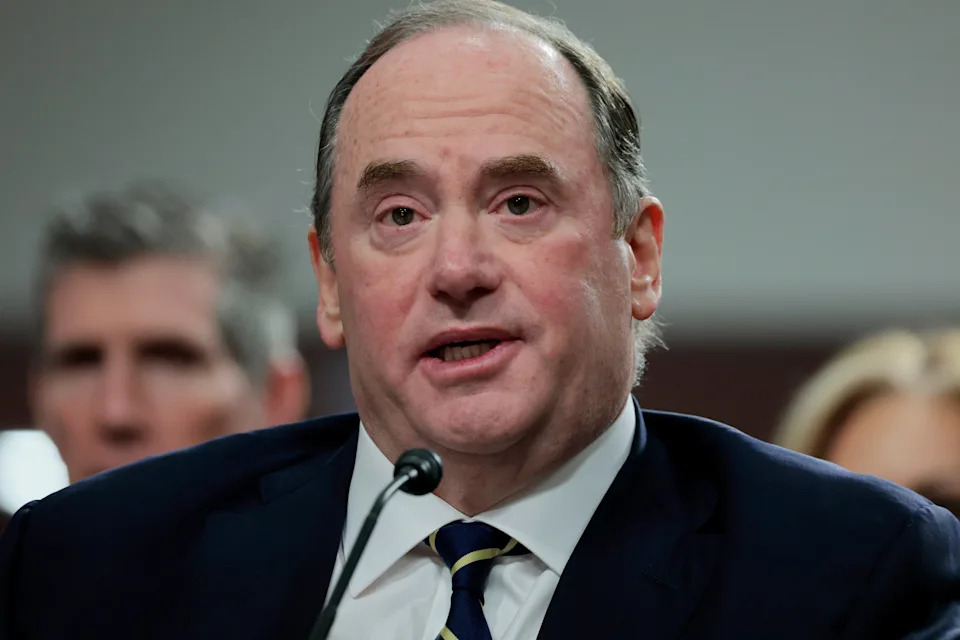
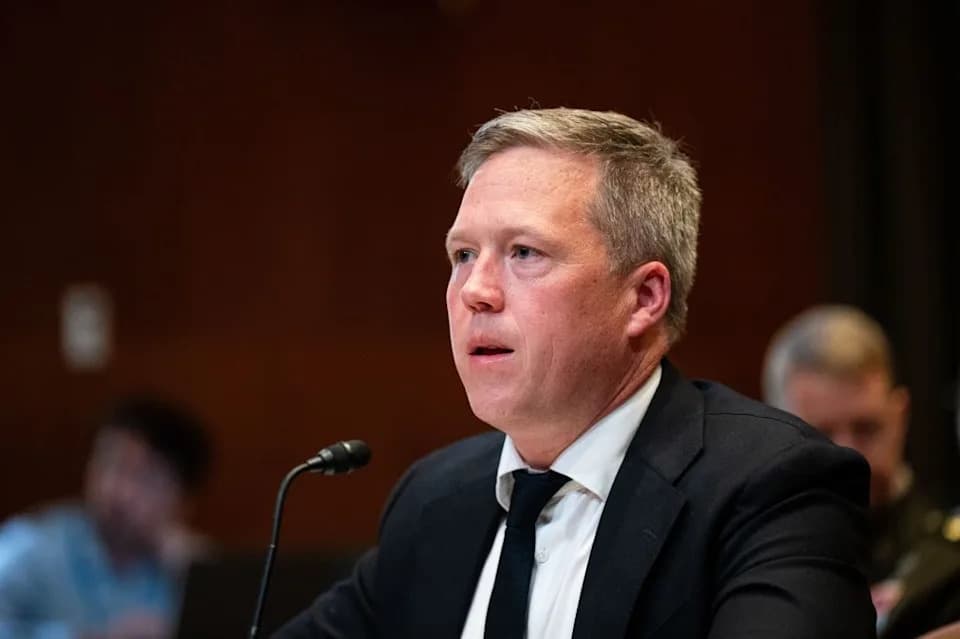
Phelan, a wealthy financier and Republican donor with close ties to the president, was spotted in the West Wing on Wednesday, two people familiar with the matter told CNN. / Anna Moneymaker / Getty Images
A GOP source quoted by the Post criticized Phelan's performance, saying the administration believed he "seemed incapable of accomplishing those goals and he wasn’t well liked." CNN reported that Hegseth also objected to Phelan’s direct communications with President Trump, which Hegseth viewed as attempts to circumvent his authority.
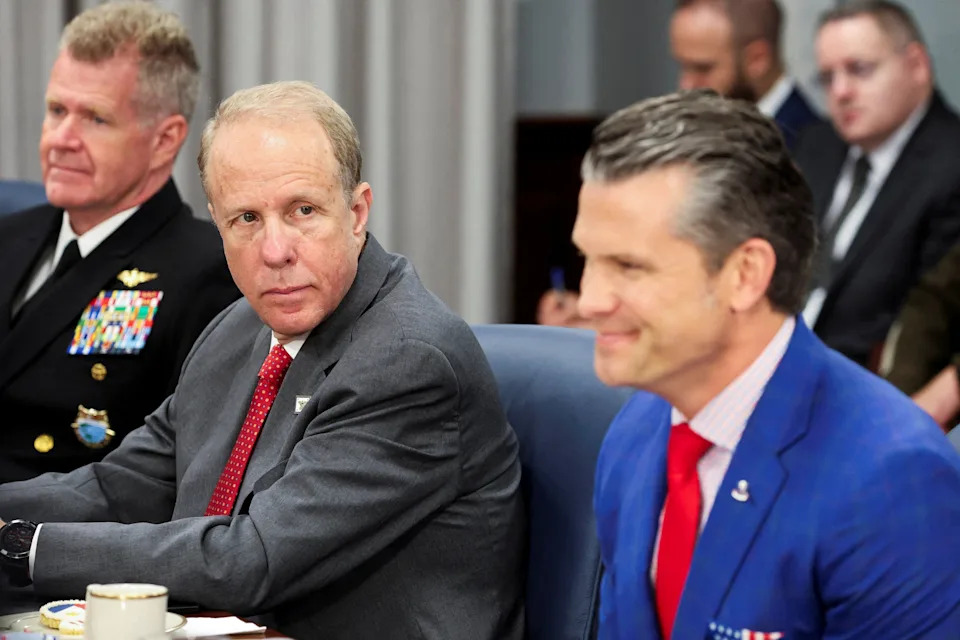
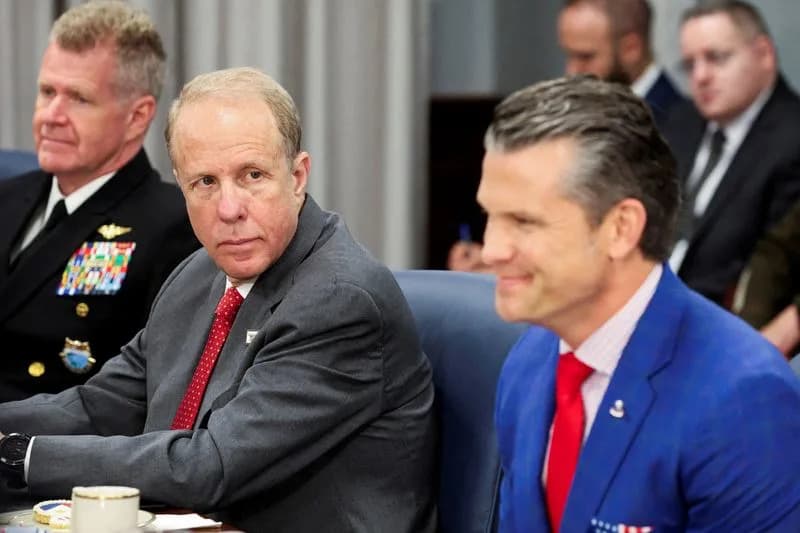
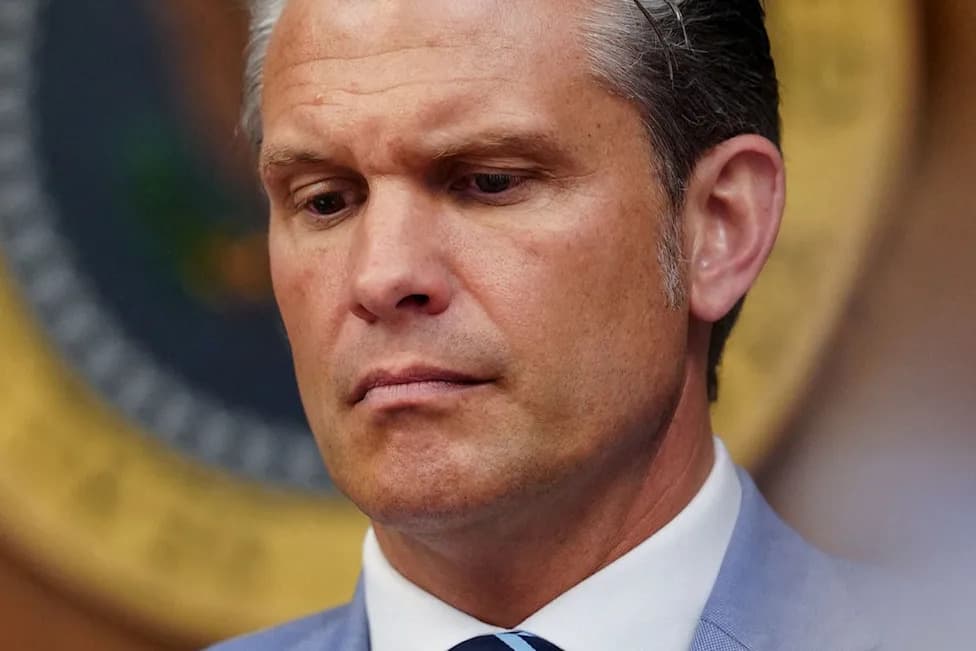
Tensions had been brewing between Phelan and his bosses, Steve Feinberg and Defense Secretary Pete Hegseth, for months. / Jonathan Ernst/REUTERS
Conflicting Accounts Of Notification
Reports differ on whether Phelan was told of his ouster before the public announcement. A senior administration official quoted by NewsNation said Hegseth consulted with President Trump and told Phelan of the dismissal before it was released. By contrast, right-wing commentator Laura Loomer claimed Phelan learned of the firing through Parnell’s public statement.
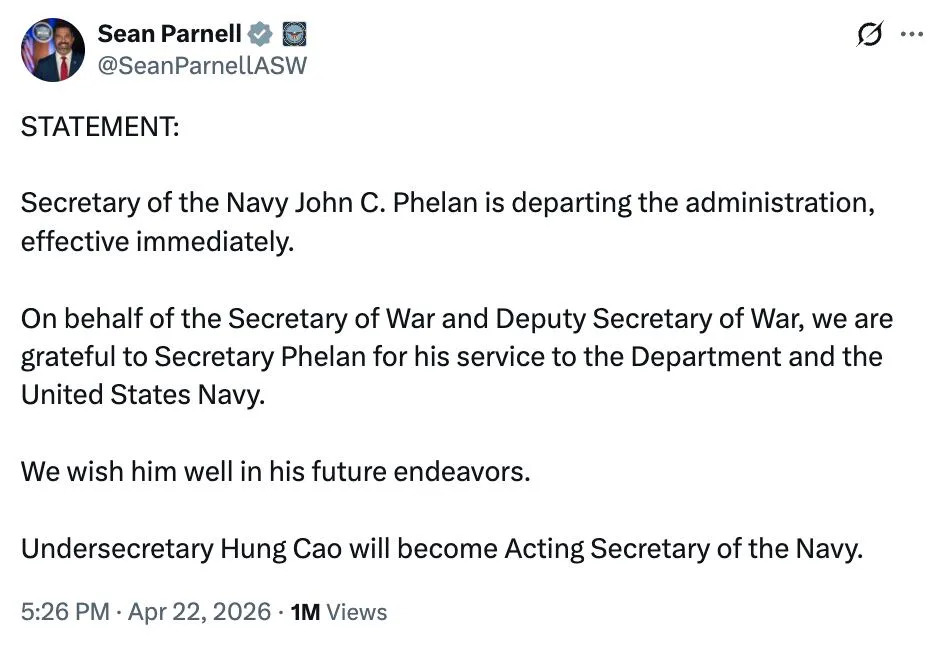
Parnell announced that Phelan would be leaving the administration
"On behalf of the Secretary of War and Deputy Secretary of War, we are grateful to Secretary Phelan for his service to the Department and the United States Navy," Parnell wrote. "We wish him well in his future endeavors."
Background On Phelan
Phelan had been appointed Navy Secretary in March 2025 after a career in private equity. A major GOP fundraiser and Trump donor, he raised millions for the campaign and hosted a high-dollar fundraiser at his Aspen home. His appointment drew scrutiny because he had no prior military service; the White House presented him as an outsider tasked with cutting Pentagon bureaucracy.
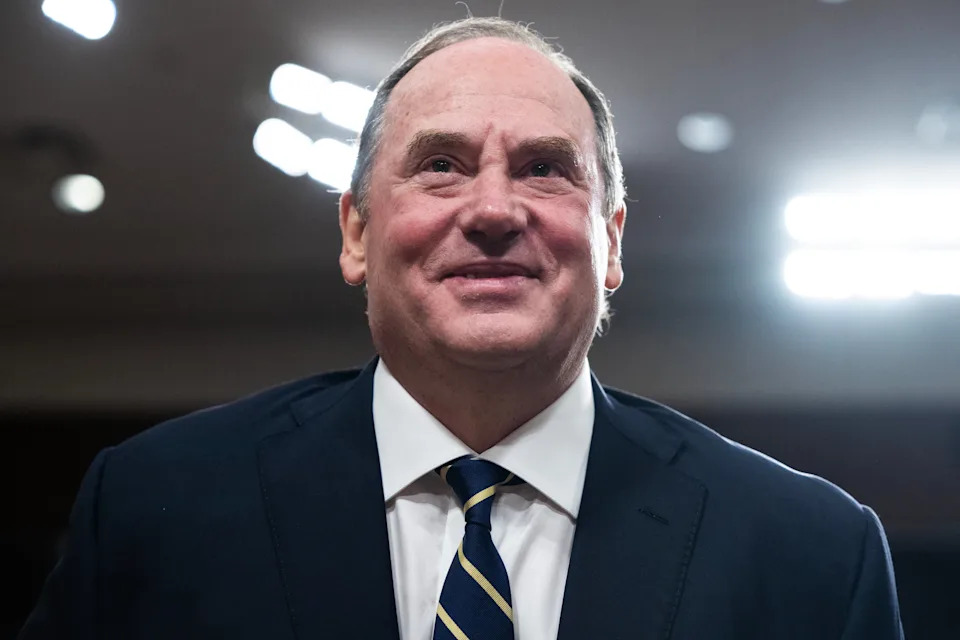
Phelan’s sudden exit leaves a leadership vacuum at a moment of heightened geopolitical risk for the Navy, where a blockade is currently taking place in the Strait of Hormuz amid ongoing tensions between the U.S. and Iran. / Tom Williams / CQ-Roll Call, Inc via Getty Imag
Earlier this year, documents released by investigators placed Phelan on flight manifests connected to convicted sex offender Jeffrey Epstein, showing he flew on Epstein’s private plane in 2006 alongside other associates. That revelation added to the scrutiny surrounding his tenure.
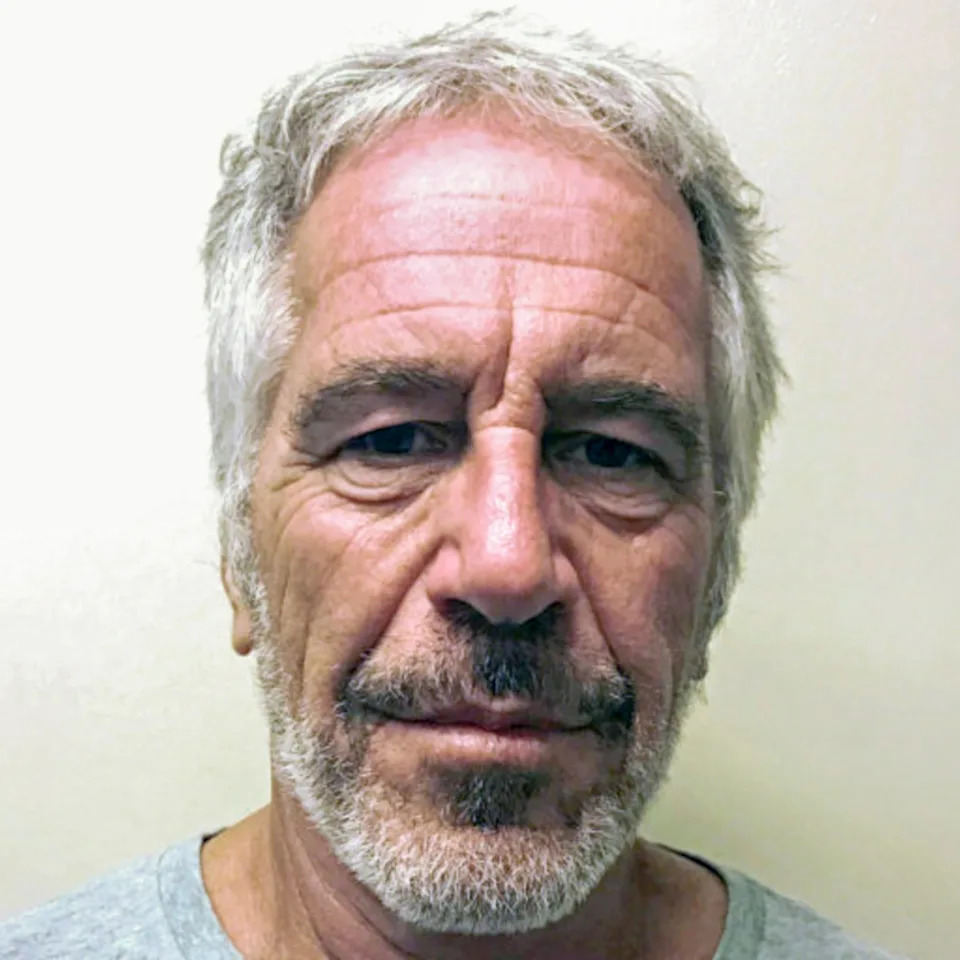
Phelan faced scrutiny after he was listed in flight manifests connected to convicted sex offender Jeffrey Epstein. / Kypros/Getty Images
Acting Leadership And Implications
Hung Cao, a former Navy officer and one-time Republican Senate candidate in Virginia, has been named acting Navy secretary. Cao is known for his alignment with Trump-era politics; media reporting suggests he is more closely aligned with Hegseth than Phelan was, and that the two had a contentious relationship.
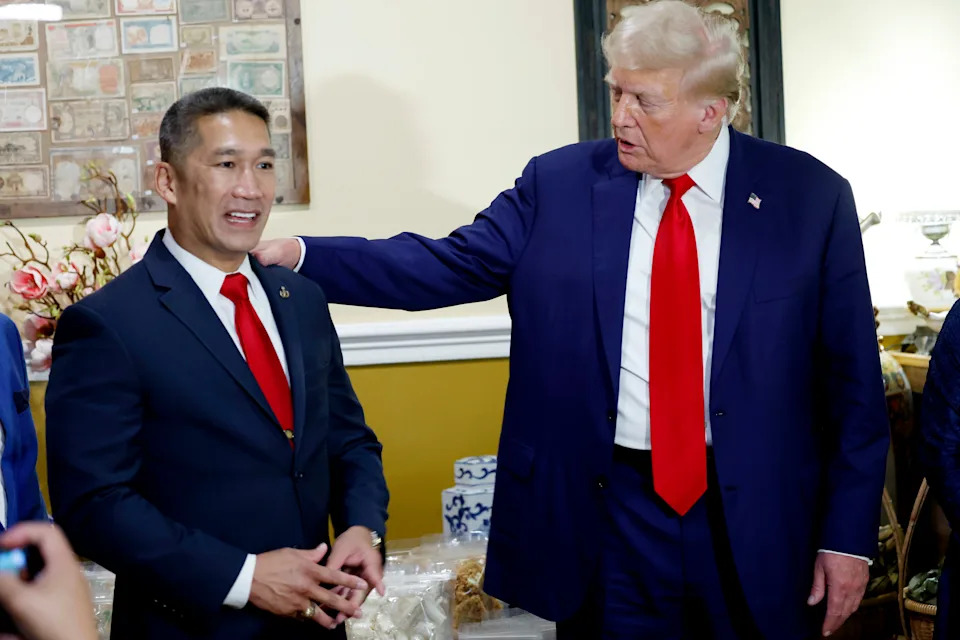
President Trump endorsed retired Navy Captain Hung Cao during his failed Senate bid in 2024. / Anna Moneymaker/Getty Images
Phelan’s exit coincides with broader personnel changes and internal reorganizations at the Pentagon. Army Chief of Staff Randy George was removed earlier in the month, and Phelan’s chief of staff, Jon Harrison, was purged last October, signaling a period of rapid turnover among senior leaders.
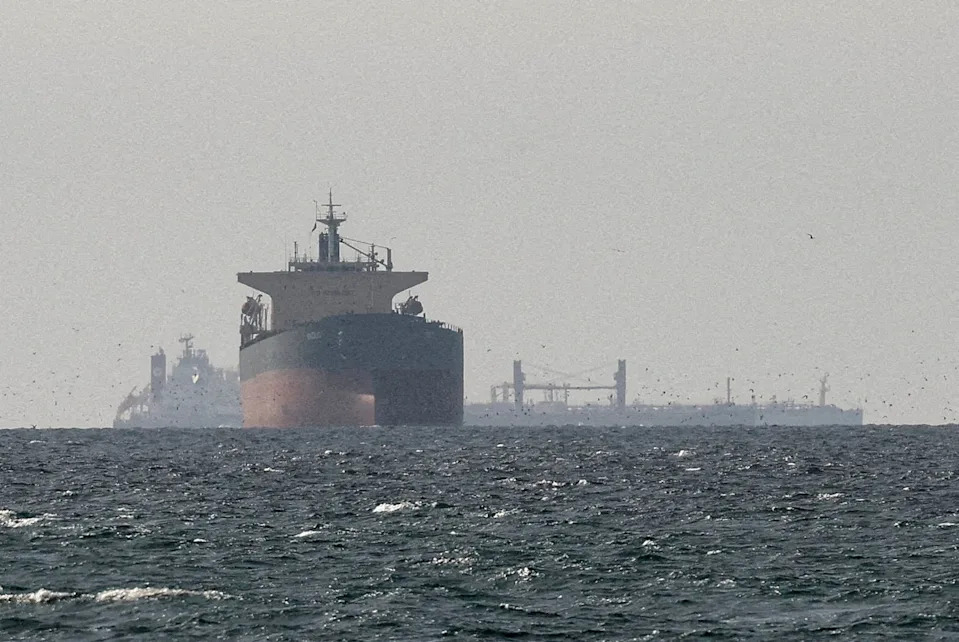
Disruptions to the vital waterway has left fuel prices soaring and left already struggling airlines buckling under pressure. / Stringer / REUTERS
Geopolitical Context
The sudden leadership change comes at a sensitive moment: a blockade has been reported in the Strait of Hormuz amid heightened tensions with Iran, and the firing follows President Trump’s announcement of an indefinite ceasefire with Iran after peace talks were derailed. White House Press Secretary Karoline Leavitt told reporters the U.S. "maintains control over the situation" and continues to hold leverage over Iran.
With the Navy’s top civilian office now in flux, Pentagon insiders and foreign policy observers warn that the abrupt shift raises questions about continuity of command and strategic decision-making at a time of elevated geopolitical risk.
Help us improve.