Anthropic told the U.S. Court of Appeals in a 96-page filing that it cannot modify or remotely alter its AI model Claude once the system is deployed in classified Pentagon networks, seeking to counter a federal "supply-chain risk" designation. The filing responds to questions in a lawsuit tied to a contract dispute over potential uses of AI in autonomous weapons and surveillance, ahead of May 19 oral arguments. Anthropic previously won a related San Francisco case that led officials to drop the label there, but the Washington litigation continues after the Pentagon canceled a $200 million contract and OpenAI later secured a military deal.
Anthropic Says Claude Can't Be Altered After Deployment, Challenges Pentagon 'Supply-Chain' Label
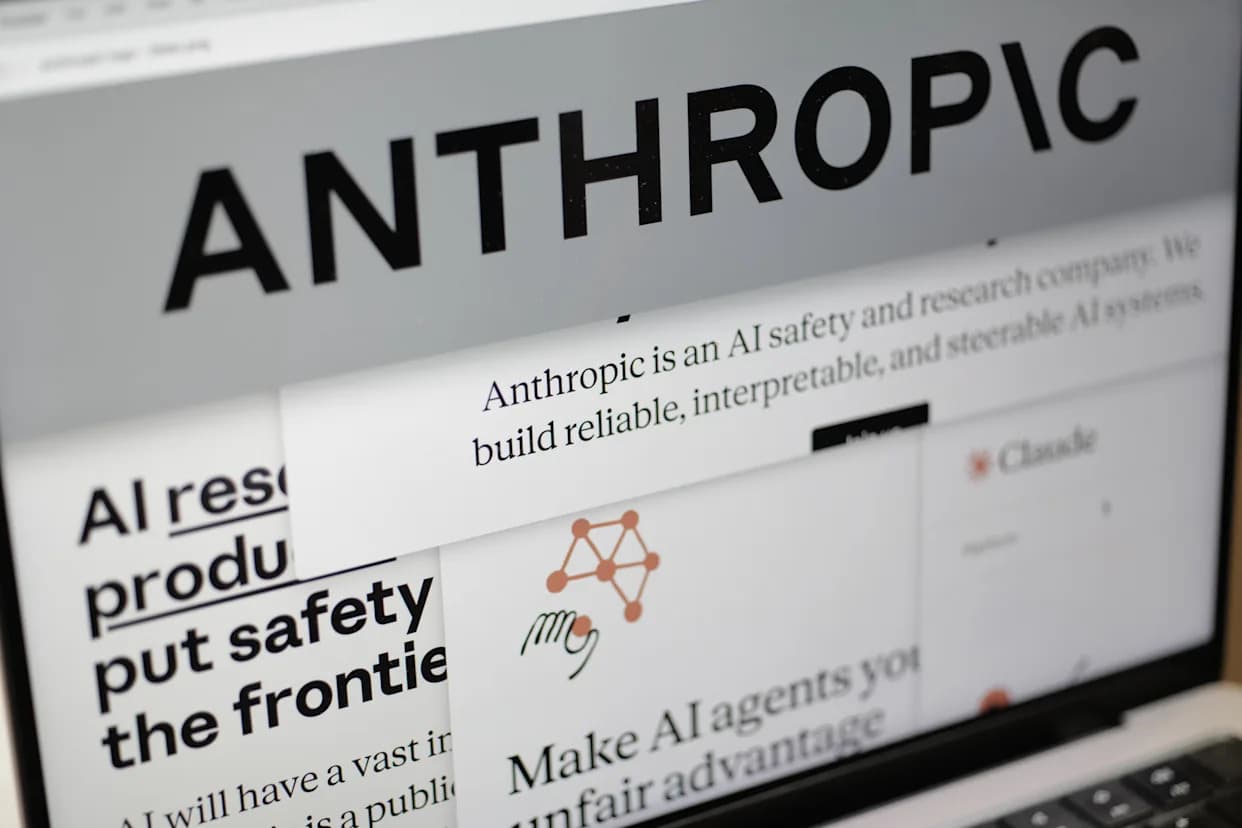
FILE - Pages from the Anthropic website and the company's logo are displayed on a computer screen in New York on Feb. 26, 2026. (AP Photo/Patrick Sison, File)
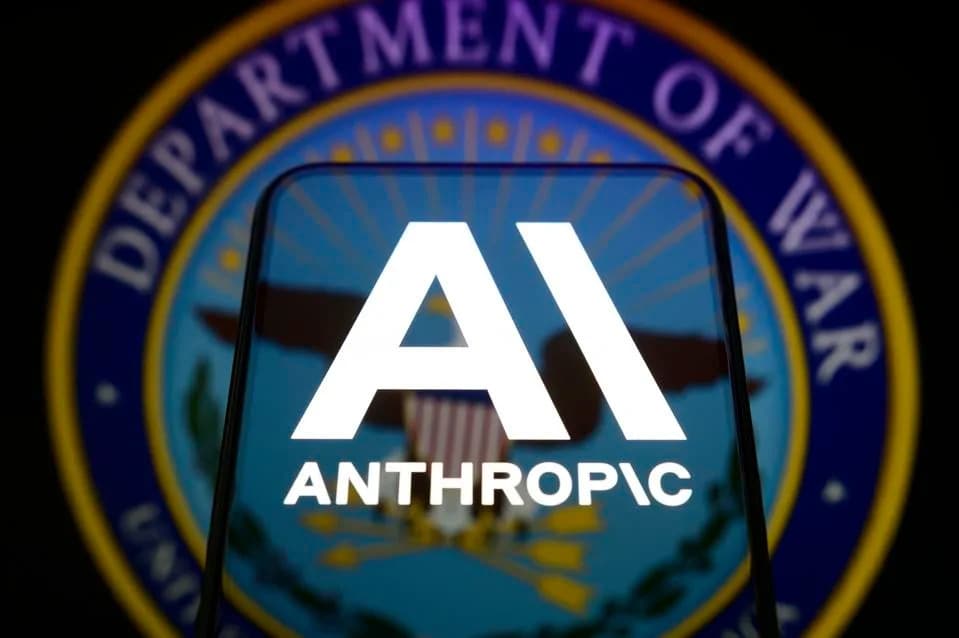
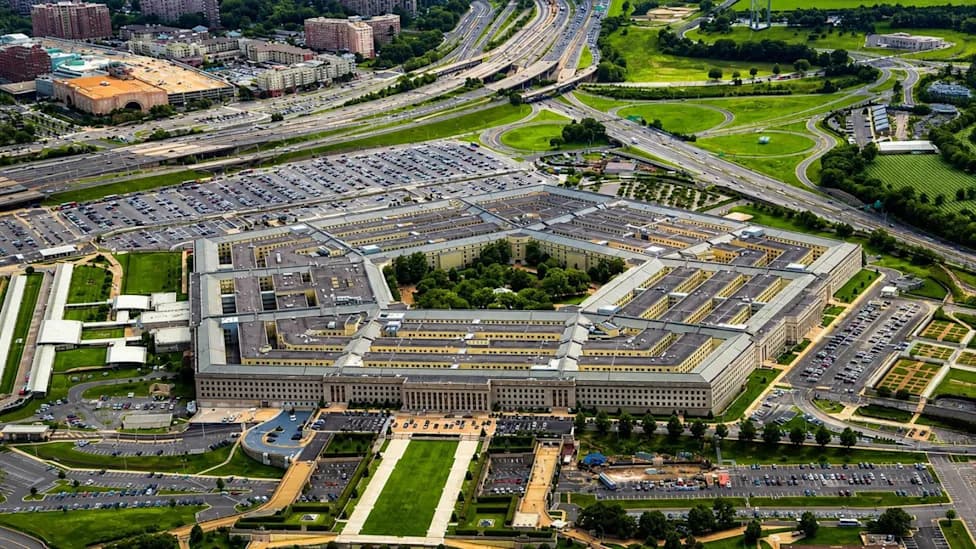
WASHINGTON (AP) — Anthropic told the U.S. Court of Appeals in Washington, D.C., that its artificial intelligence model Claude cannot be altered or manipulated once it is deployed inside classified Pentagon networks. The claim appears in a 96-page filing intended to rebut the administration’s characterization of Anthropic as a "supply-chain risk" to national-security systems.
What Anthropic Is Arguing
In the filing, Anthropic's lawyers say the company has no ability to remotely change Claude's behavior after the model is installed in secured, classified environments, and they presented technical and legal arguments to support that claim. The filing is part of a lawsuit filed last month arising from a contract dispute over potential uses of AI — including concerns about fully autonomous weapons and surveillance of Americans.
Key claim: Anthropic cannot manipulate Claude once it is embedded in classified Pentagon systems.
Legal Context
The appeals court recently denied Anthropic's request for an order that would have temporarily blocked the Pentagon's actions while the court gathers evidence. Anthropic filed its latest brief to answer specific questions the court raised ahead of oral arguments scheduled for May 19. The administration will file a response before that hearing.
Related Cases And Contract Fallout
Anthropic prevailed in a related federal case in San Francisco, which led officials to remove the stigmatizing labels in that jurisdiction, according to court documents. However, the absence of a similar order in Washington means the company still faces reputational and business consequences. The Pentagon canceled a $200 million contract with Anthropic amid the dispute, and OpenAI subsequently reached a deal to provide technology to the U.S. military.
Why it matters: The case touches on technical limits of AI control, government contracting decisions, and broader debates over the role of private AI developers in national security and civil liberties.
Help us improve.