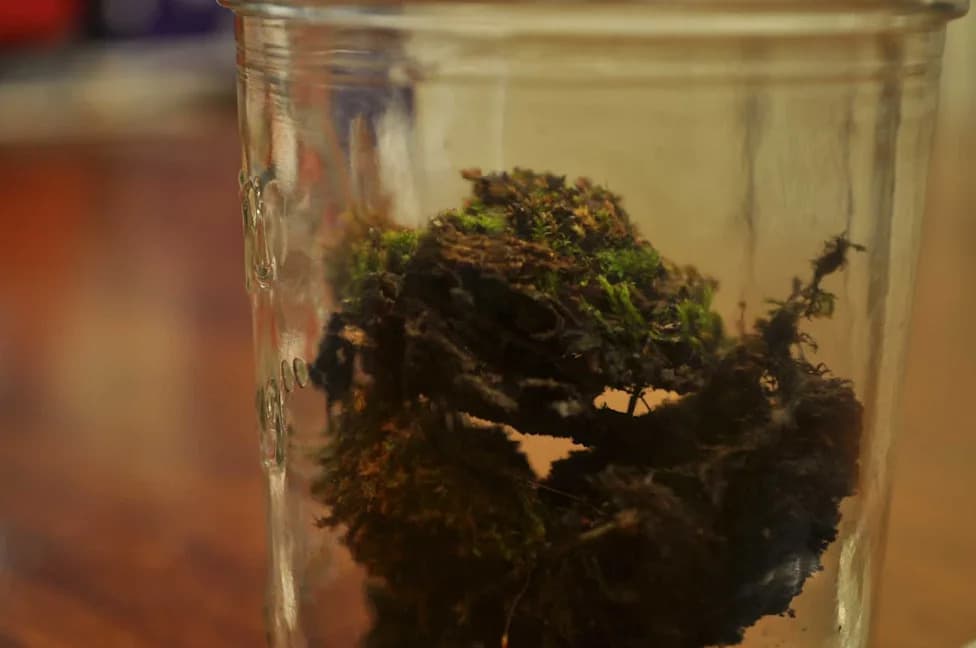
Study in Scientific Reports finds rice seeds exposed to recordings of rain impacts germinate roughly 30–40% faster than identical seeds kept in quiet conditions. Researchers tested about 8,000 submerged rice seeds and propose that starch-filled cellular bodies called statoliths detect substrate-borne pressure waves from raindrops. The effect may help seeds time germination to incoming moisture; follow-up work will test other cues and species.
Seeds ‘Hear’ Rain — Rice Germinates 30–40% Faster After Rain Sounds
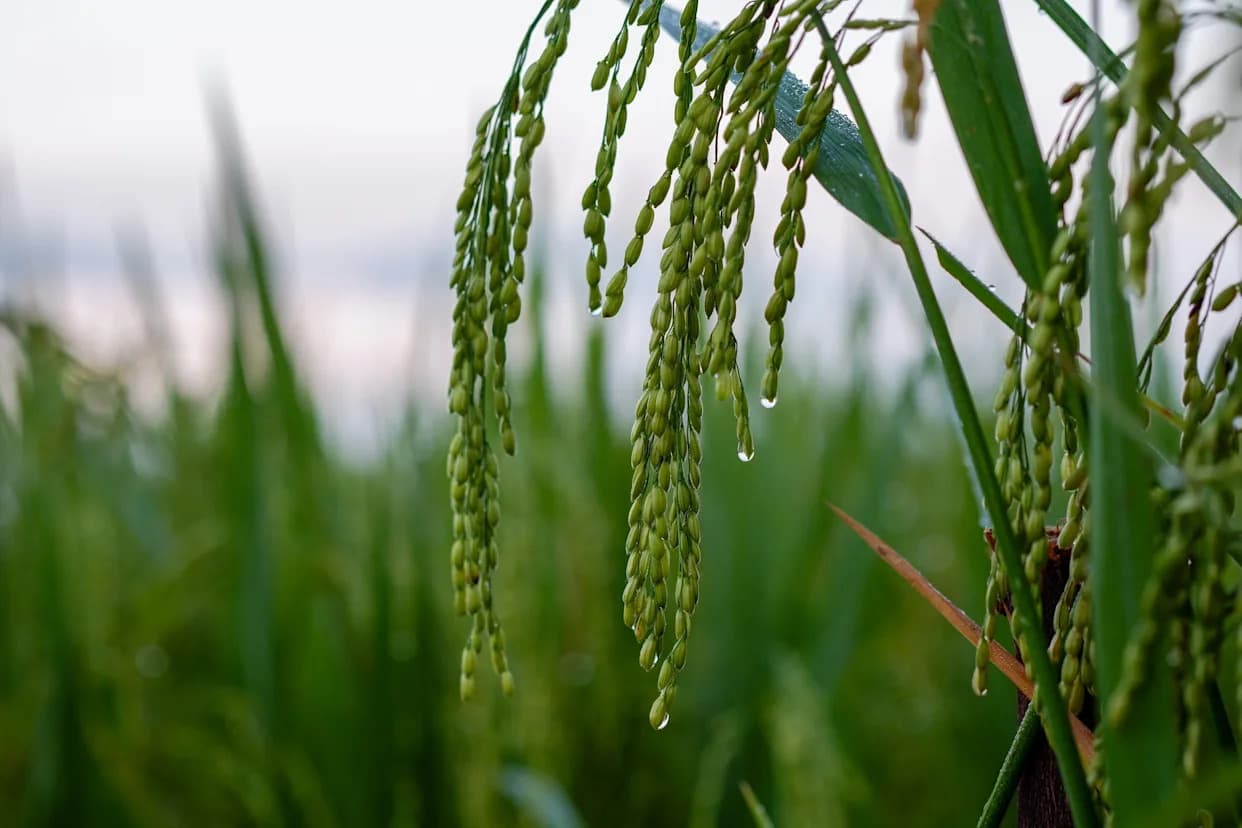
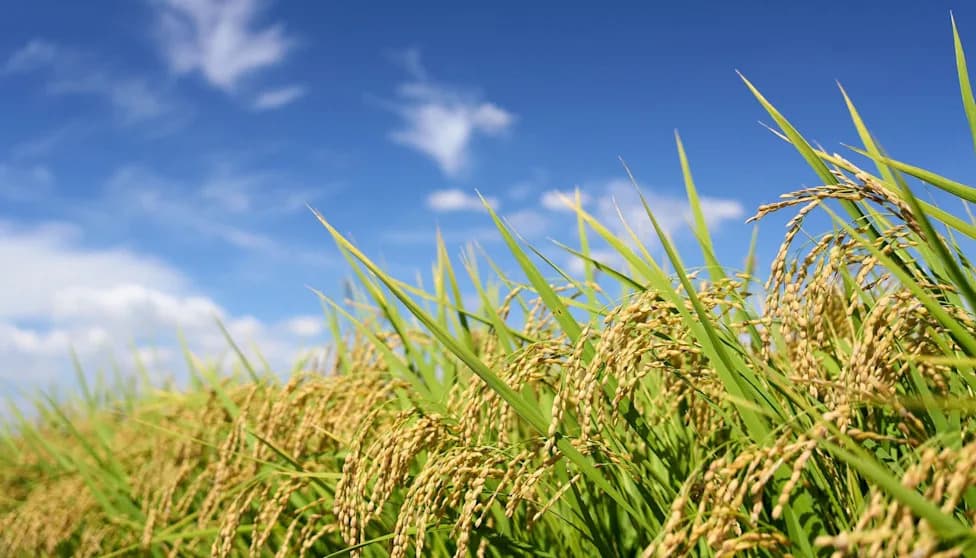
Rice plants sense the sound vibrations of raindrops hitting the ground—and researchers suspect other plants can do the same.(Pornpimon Koonhom/Getty Images)
Rain may soothe people, but for plants the patter of droplets can act like a biological alarm. New research published in Scientific Reports shows that the sound of rain can accelerate germination in rice seeds, suggesting plants can detect and respond to acoustic cues in their environment.
The team, led by mechanical engineer Nicholas Makris of the Massachusetts Institute of Technology and co-author Cadine Navarro, tested roughly 8,000 rice seeds submerged in water to mimic natural wet conditions. Seeds exposed to recordings of raindrop impacts germinated about 30–40% faster than otherwise identical seeds kept in quiet conditions.
How Sound May Trigger Germination
At the cellular level, plants contain starch-filled bodies called statoliths that settle in response to movement and help cells sense orientation and mechanical changes. The researchers hypothesize that pressure waves produced when raindrops strike soil or surface water create substrate-borne vibrations strong enough to jostle statoliths, signaling seeds that moisture is arriving and that conditions are favorable for sprouting.
“The seeds can sense sound in ways that can help them survive,” said Nicholas Makris, a co-author and professor of mechanical engineering at MIT.
Makris noted the physics behind the effect: because water and soil transmit pressure waves more effectively than air, a raindrop’s impact produces much stronger vibrations in the substrate. He compared the local pressures experienced by a seed near an impact to those felt within a few meters of a jet engine in air — an analogy intended to convey the relative intensity of the substrate-borne waves.
Implications and Next Steps
If confirmed across species, acoustic sensitivity would represent an adaptive advantage by allowing seeds to time germination to incoming moisture. The authors plan follow-up experiments to test whether other acoustic or mechanical cues (for example, wind-driven vibrations or different sound signatures) produce similar responses and whether seeds of other plant species behave the same way.
While the results are compelling, the study is an early step: further work is needed to confirm mechanisms, test ecological relevance in field settings, and establish how widespread acoustic germination cues are across plants.
Help us improve.