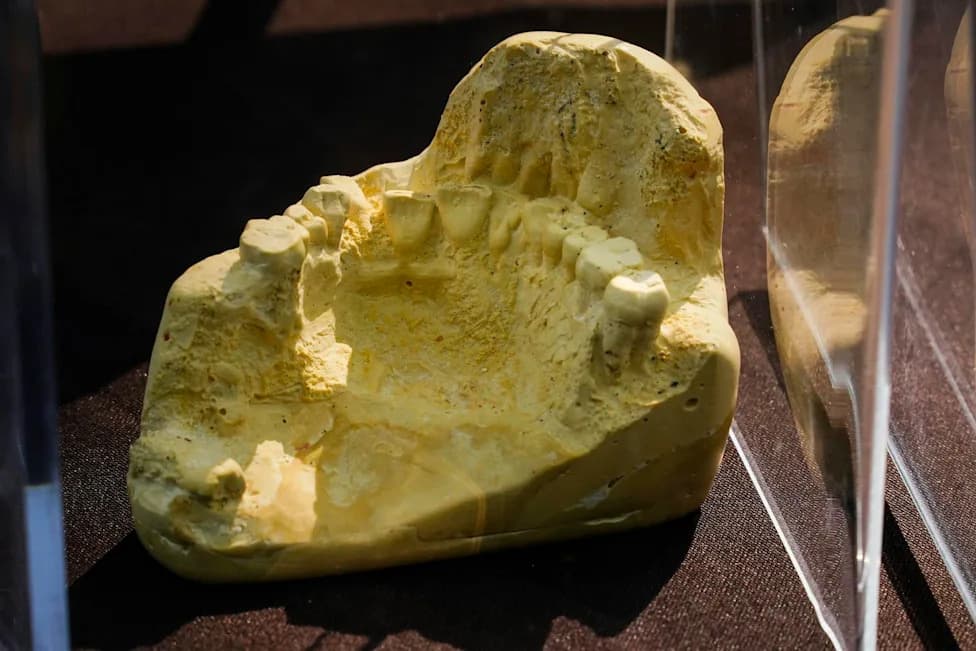
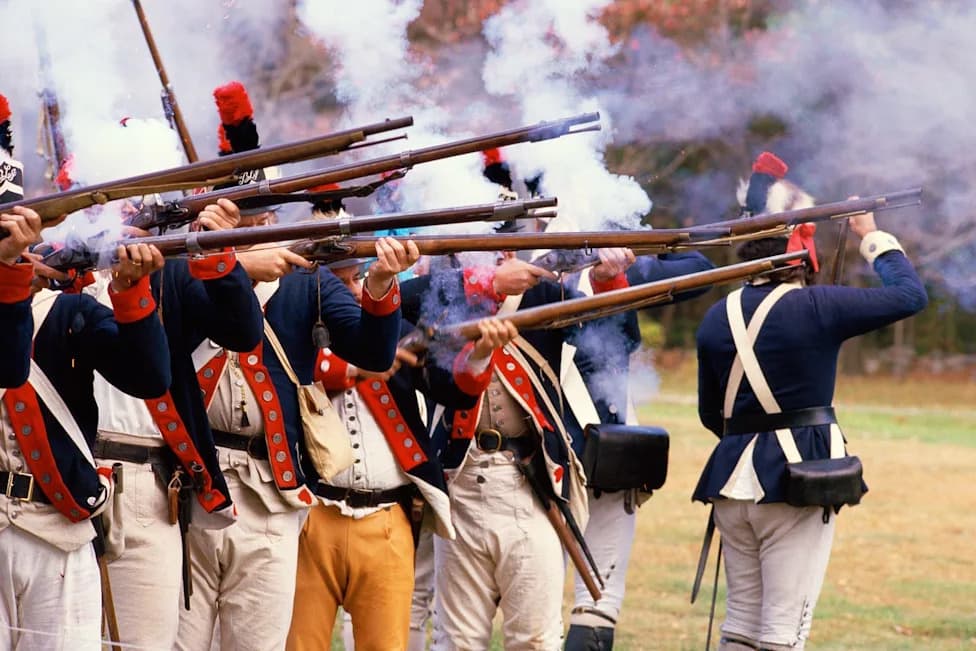
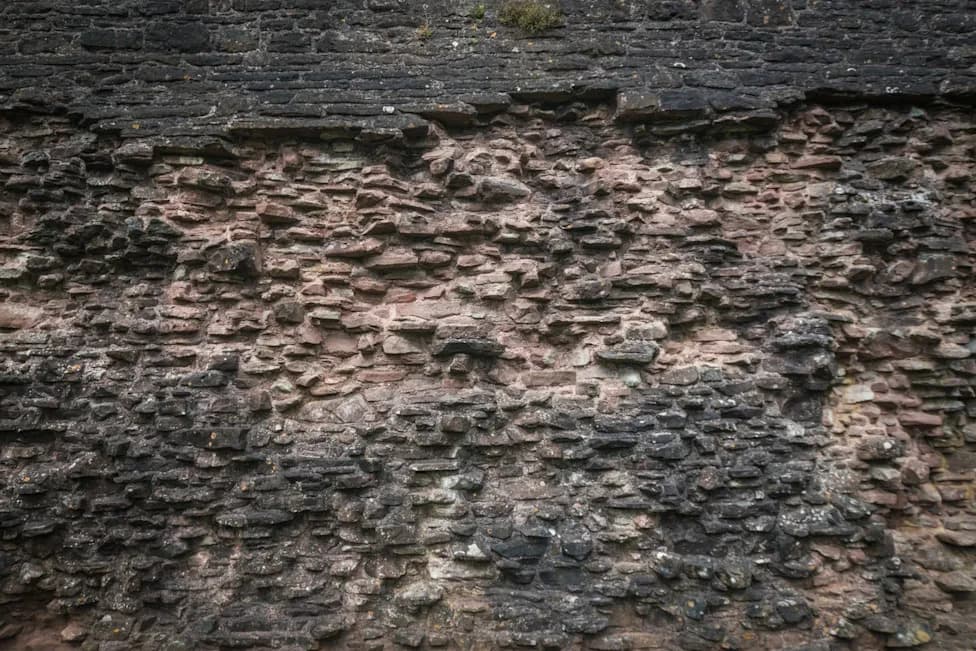
In 2024, archaeologists uncovered the burned remains of Continental Army barracks in Colonial Williamsburg that British troops destroyed in 1781. The nearly four-acre site, occupied from 1777–1781, has yielded bricks, an intact chimney base, gun hardware, fine ceramics, and lead musket shot with toothmarks. Only a small portion has been excavated so far; the planned sports center was moved to preserve the site for future research. Investigators say the burning may have helped preserve artifacts that will shed light on soldiers' daily lives.
Archaeologists Reveal Burned Remains of Continental Army Barracks in Colonial Williamsburg
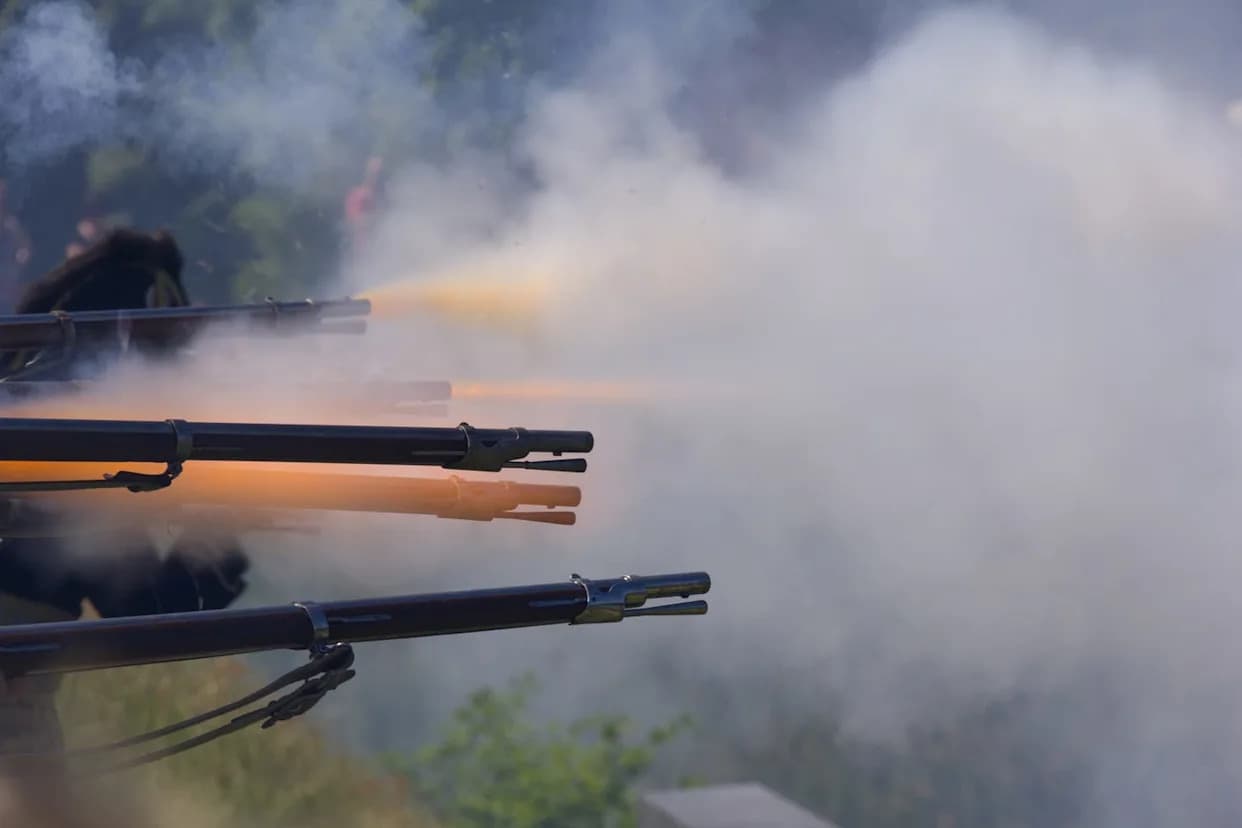
Lost Revolutionary War Barracks Found in VirginiaArjanL - Getty Images
During preparatory work for a new sports center in 2024, archaeologists uncovered the charred remains of Continental Army barracks on nearly four acres of Colonial Williamsburg Foundation land—structures British forces set ablaze in 1781 during the campaign that culminated at Yorktown.
What the Excavation Revealed
Archaeologists surveyed the site after 18th-century maps and period documents indicated barracks were constructed there in 1776–77. Although crews have opened only a small portion so far, finds include brick foundations and an intact chimney base, military gun hardware, lead musket shot with toothmarks, fine ceramics, and personal items likely associated with officers.
"Archaeological evidence of Continental barracks in Virginia is rare," the Colonial Williamsburg Foundation wrote in a 2024 blog post.
Context And Significance
Jack Gary, executive director of archaeology for the Foundation, told Fox News Digital that Virginia ordered the barracks’ construction in August 1776. Though intended to house roughly 1,000 troops, reports indicate the encampment later sheltered as many as 2,000 soldiers and about 100 horses before British forces burned the camp while moving on Yorktown in 1781.
Gary described the burning as a "burning event": a catastrophic destruction that, paradoxically, can create conditions that help preserve artifacts and their archaeological context. Because a significant portion of the nearly four-acre site appears to have remained undisturbed since 1781, researchers expect further excavation to yield important new evidence about daily life, material culture, and organization within a Continental Army encampment.
Human Details From Small Finds
One evocative discovery is a large quantity of lead musket shot bearing toothmarks. The Foundation suggests soldiers chewed the shot—both to pass the time and because lead has a slightly sweet taste—offering a small but vivid window into camp life.
The Foundation and archaeological teams have repositioned the planned sports center to protect the remaining deposits for future study. As excavation continues, researchers hope to build a fuller picture of how Revolutionary War soldiers lived, worked, and coped while stationed at the barracks.
Help us improve.