Overview: Support for NATO among Americans has declined, driven mainly by Republicans who increasingly question the alliance’s value. Polls show a sharp drop in Republican backing, while Democrats continue to strongly support membership. The U.S. still shoulders a disproportionate share of NATO spending and capabilities, and capability gaps persist among some European members. These developments raise questions about whether NATO’s role and burden-sharing arrangements need to be rethought.
Republican Shift Fuels Sharp Drop In American Support For NATO
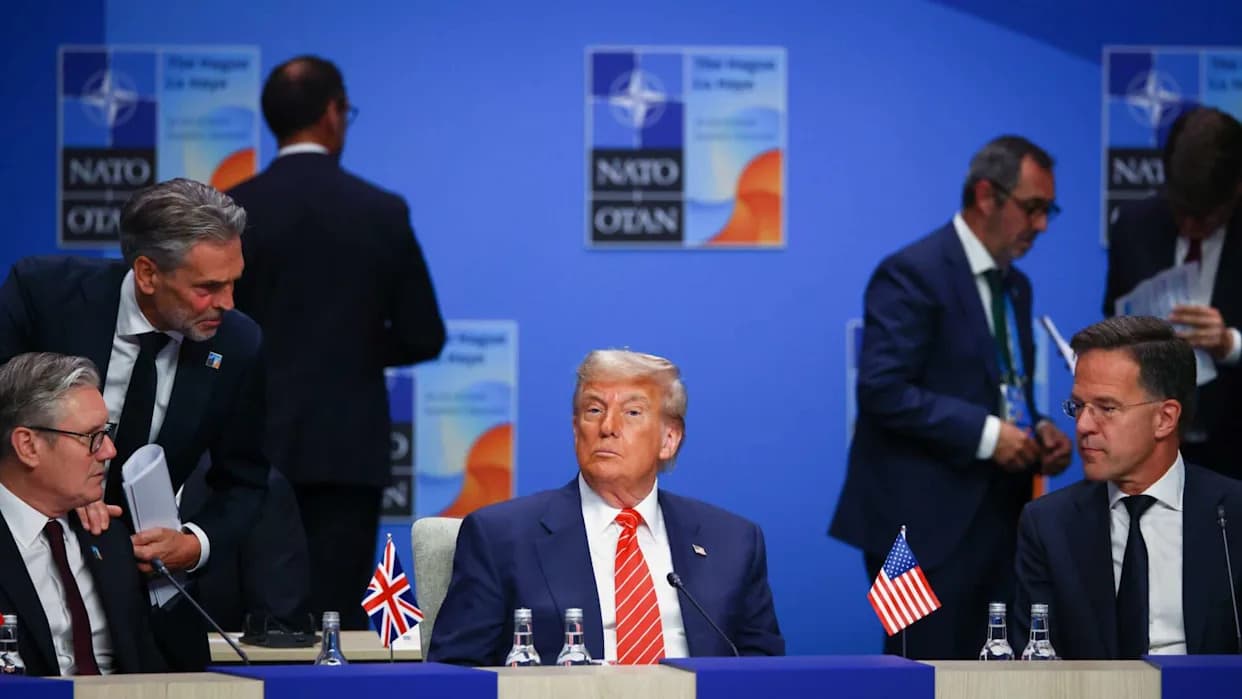
Led by Republicans, Americans' Support for NATO Fades
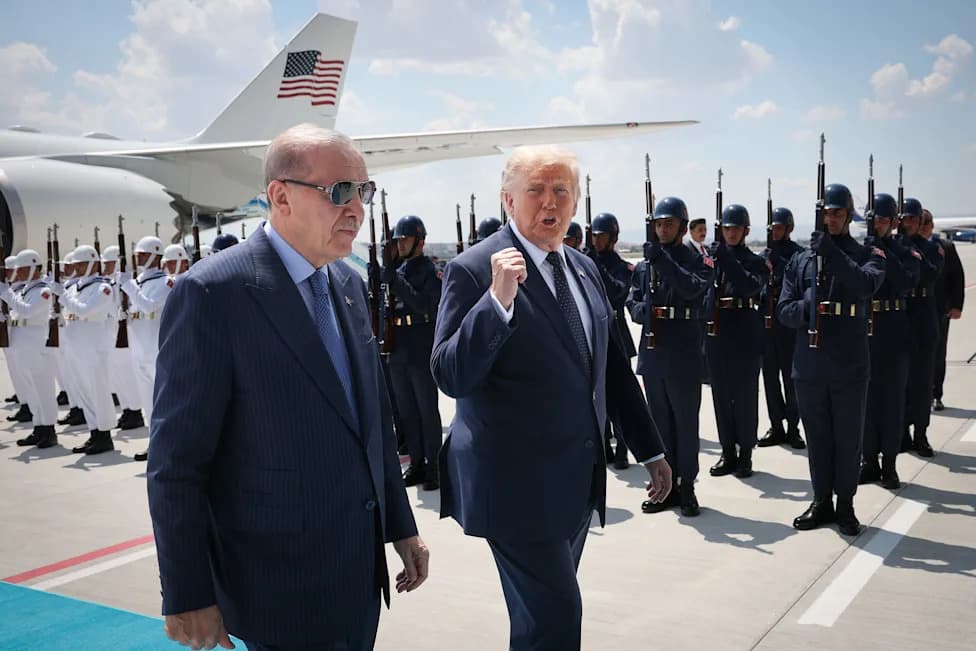
President Donald Trump’s long-standing skepticism of the North Atlantic Treaty Organization (NATO) has resurfaced in recent years — and it now appears to be reshaping public opinion. What was once a broadly bipartisan commitment to the alliance has seen support erode, driven largely by Republican voters who increasingly question NATO’s value to U.S. interests.
Polling Trends
Recent Pew Research polling shows a marked shift among Republicans: a majority (60%) now say the U.S. benefits 'not too much' or 'not at all' from being in NATO, up from 50% in 2025. Favorability toward U.S. NATO membership among Republicans and GOP-leaning independents dropped from 49% to 38% in a single year; in 2022 it was 55%. Democrats and Democratic-leaning independents remain strongly supportive, with about 82% backing continued membership, leaving overall U.S. support down from roughly 71% in 2021 to about 59% today.
Who Pays—and Who Fights?
Critics note that Americans still bear a disproportionate share of NATO's financial and military burden. According to the NATO Secretary General's Annual Report 2025, the U.S. economy accounted for roughly 52% of total NATO GDP, while the United States funded about 60% of the alliance's defense spending in 2025 — approximately $838 billion versus $574 billion combined from the other members. That represented an improvement from 2020, when the U.S. paid 71% of defense spending, but the dollar imbalance remains large because of the size of the U.S. economy.
Capability Gaps Remain
Spending percentages do not eliminate capability shortfalls. Following Russia's full-scale invasion of Ukraine, reporting highlighted limitations in several European militaries: small numbers of deployable tanks and heavy artillery in the UK and France, and constrained ammunition reserves in Germany. Operational readiness questions surfaced again when the UK took about a week to dispatch a destroyer to Cyprus amid an escalation linked to Iran; former Royal Navy commander Tom Sharpe observed that only a couple of destroyers were seaworthy at that moment.
Diverging Threat Perceptions
Allies prioritize different risks. European NATO members understandably place Russia at the top of their threat lists, and NATO's own reporting calls Russia "the most significant and direct threat" to Euro-Atlantic security. The U.S. and Canada, separated from Europe by oceans, face different strategic priorities and policymakers therefore often see lesser incentives to engage in military actions outside their core geographic responsibilities — for example, interventions or confrontations in the Middle East.
What This Means For NATO
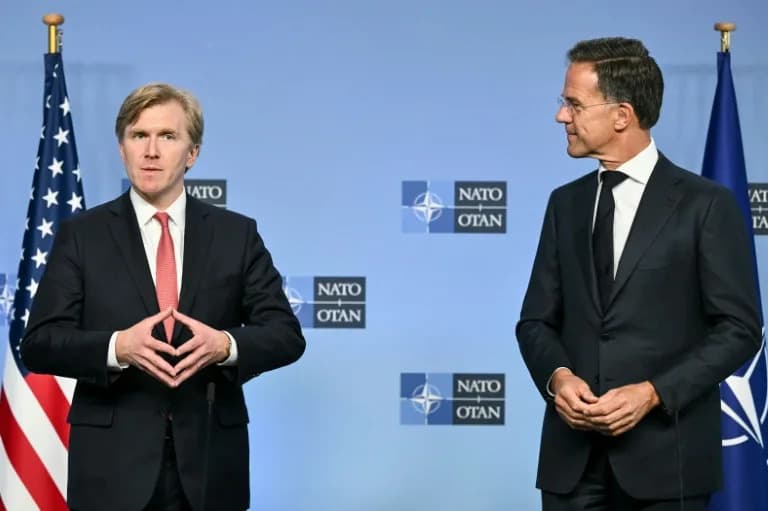
Trump has criticized NATO members for not aligning with U.S. policy toward Iran, but NATO's founding purpose was collective defense in the North Atlantic area, not global burden‑sharing on every U.S. military initiative. The growing Republican skepticism about NATO obligations raises a central question: should the U.S. continue to promise participation in future European conflicts under the current terms, or should Washington and its partners negotiate a redefined, more tailored partnership?
Bottom line: NATO remains a cornerstone of transatlantic security, but shifting public opinion, persistent capability gaps, and diverging strategic priorities between the U.S. and its allies are forcing a reassessment of how the alliance should share burdens and define its missions going forward.
Originally published on Reason.com.
Help us improve.