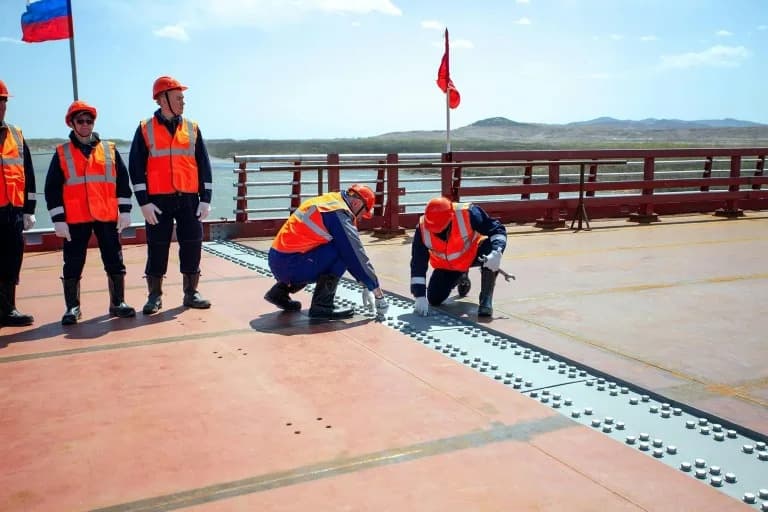
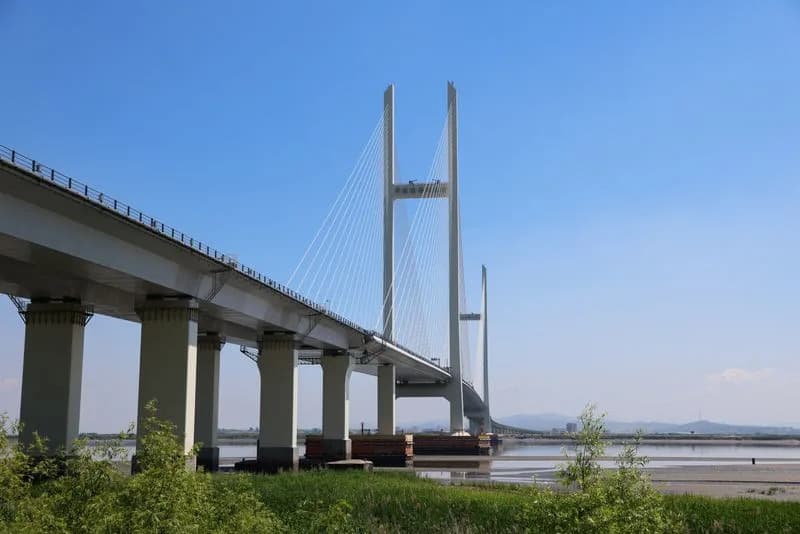
Russia and North Korea held a ceremony on Tuesday to mark the final joining of the first road bridge linking the two countries. Moscow said the crossing is scheduled to open to traffic this summer.
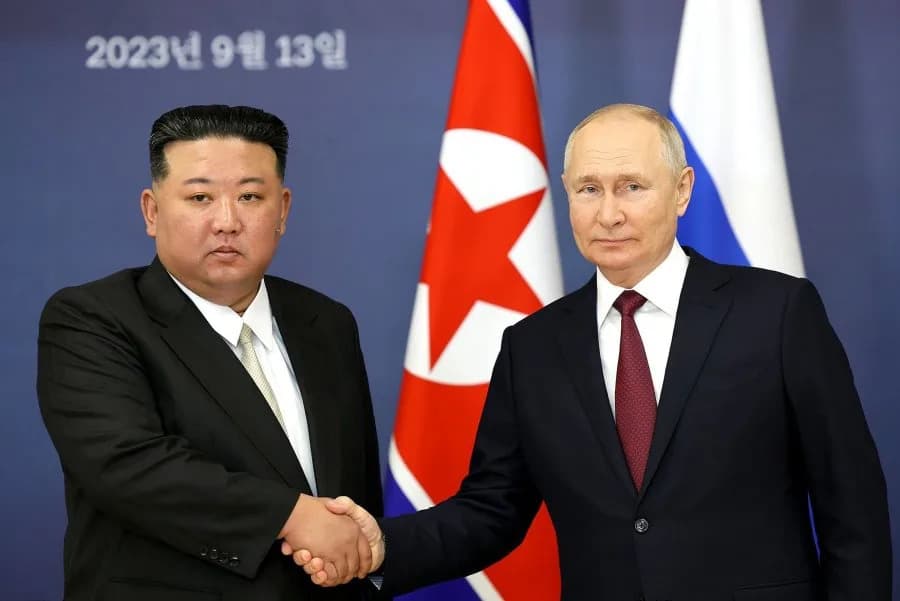
Ties between the two heavily sanctioned states have strengthened amid Russia's war in Ukraine, with Moscow and Pyongyang expanding economic, political, cultural and military cooperation.
The Bridge: The new span crosses the Tumen River, which forms part of the frontier between the two countries. Russia's transport ministry said the crossing will be able to handle up to 300 vehicles and 2,850 people per day, and Moscow's foreign ministry called the opening "a truly landmark stage in Russian–Korean relations," saying its significance goes beyond a purely engineering achievement.
Security and Political Context
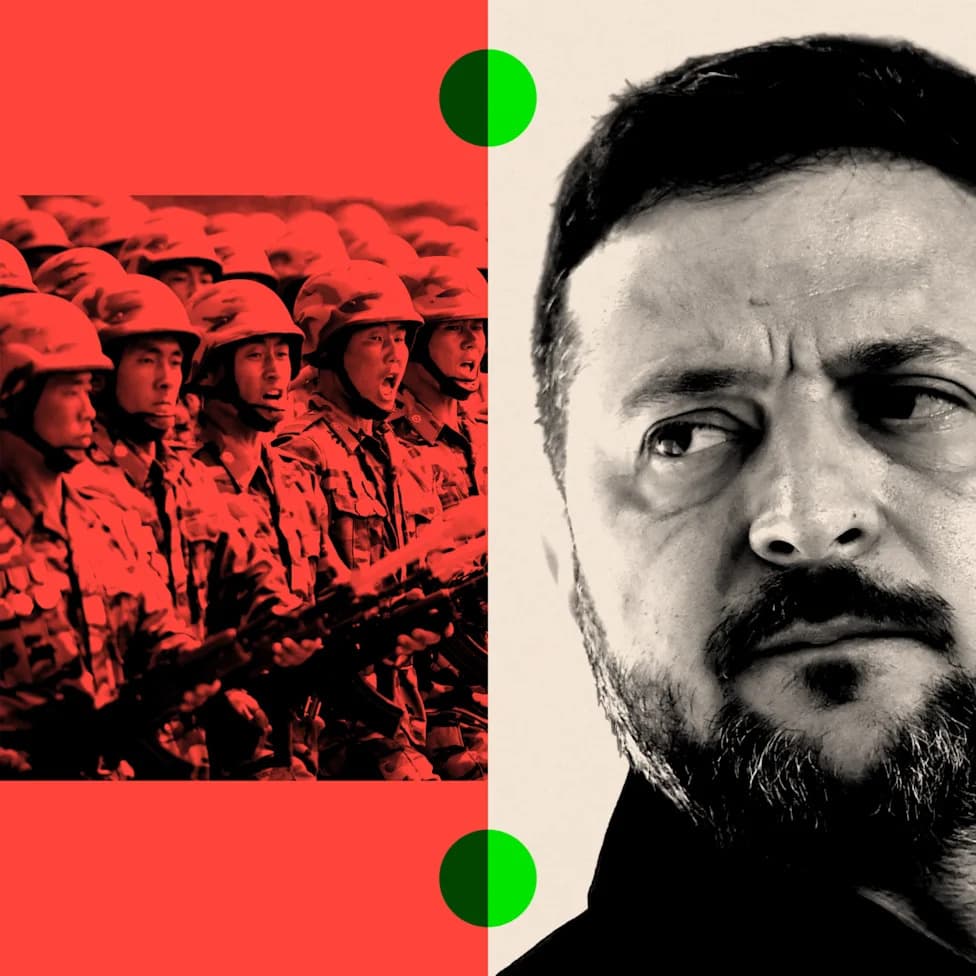
In 2024, Russia and North Korea signed a defence treaty that includes mutual military support in the event of an attack. That same year, Pyongyang sent thousands of troops to Russia; reports say they were deployed to the western Kursk region to help fend off a months-long counter-offensive by Kyiv's forces.
Several senior Russian officials have visited North Korea recently, including the interior minister, who is reported to be in the country. Moscow says the bridge will foster greater trade, economic and humanitarian exchanges between Russia's Far East and North Korea.
Economic and Humanitarian Notes
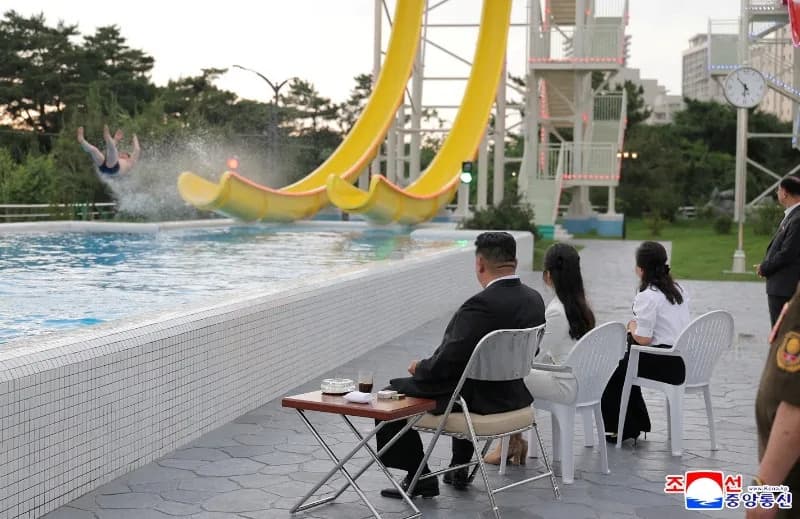
Seoul warns that Chinese and Russian assistance is helping to revive North Korea's economy, which has long struggled under extensive international sanctions, near-total isolation and heavy military spending. North Korea does not publish official economic statistics; Seoul's official estimate put the country's nominal gross domestic product at roughly $30 billion in 2024 — a tiny fraction of South Korea's economy.
North Korea has a documented history of shortages and food insecurity. A famine in the mid-1990s killed hundreds of thousands, and reporting indicates the Covid-19 pandemic further pushed many people into extreme hunger.
While the bridge promises increased connectivity and trade, analysts warn the development sits amid a deepening geopolitical alignment that could have broader regional security and humanitarian implications.