Canadian forces completed a 5,000-km snowmobile patrol from Inuvik to Churchill as part of large Arctic exercises intended to sharpen readiness and signal Canada’s intent to assume greater responsibility for its northern defence. The deployment involved about 1,300 troops and demonstrated capabilities such as landing aircraft on frozen sea ice and moving artillery into northern positions. Despite a C$35 billion pledge to bolster Arctic capacity, officials acknowledge persistent gaps — notably an aging North Warning System — and stress that cooperation with the U.S. and allies via NORAD remains essential.
Canada’s 5,000-km Arctic Patrol: Demonstrating Resolve While Exposing Gaps In Northern Defence
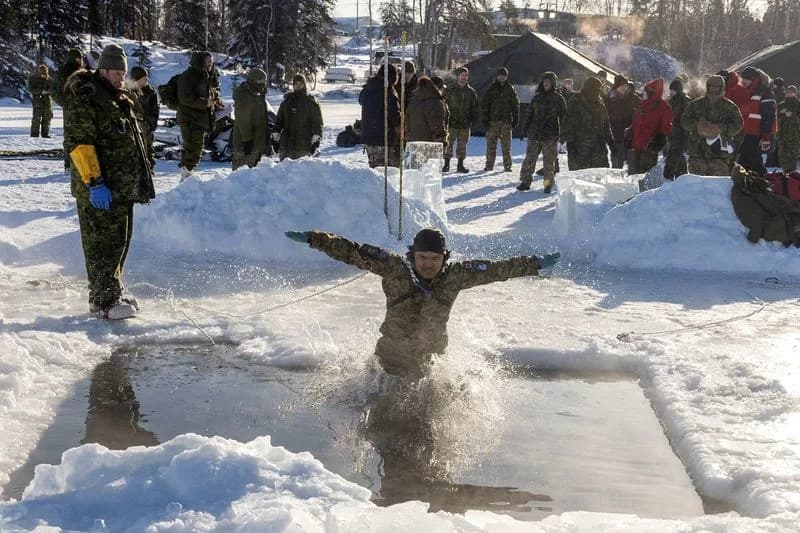
FILE PHOTO: A member of of 41 CBG pratices through the ice rescue as Canadian Armed Forces deploy to "Operation Nanook-Nunalivut," a yearly series of drills designed to highlight the military's ability to defend the Canadian Arctic, in Yellowknife, Northwest Territories, Canada February 20, 2026. REUTERS/Carlos Osorio/File Photo
Over three months, Canadian soldiers completed a more than 5,000-kilometre snowmobile patrol from Inuvik, Northwest Territories, to Churchill, Manitoba, braving blizzards and temperatures near minus 60°C as part of large-scale Arctic exercises. The patrol and related drills — involving skis, aircraft landings on frozen sea ice and the movement of artillery to Cambridge Bay — were designed both to sharpen readiness for potential threats and to demonstrate Canada’s intent to assume greater responsibility for defending its Arctic territory.
Operational Achievements and Limits
The exercises involved about 1,300 members of the Canadian Armed Forces, the largest deployment for this series since 2007. Commanding Officer Travis Hanes of the 1st Canadian Ranger Patrol Group described Rangers operating across "some of the most inhospitable terrain and climate that you can possibly imagine," as he recovered from frostbite to his nose after weeks on patrol.
Brigadier-General Daniel Riviere, commander of Joint Task Force North, said the drills demonstrated the military's ability to move specialized equipment northward in the unlikely event of a land attack: "We need to be prepared for the worst." At the same time he emphasized that Canada’s military partnership with the United States remains critical: Canadian and U.S. forces continue to stand "shoulder to shoulder."
Policy, Funding And International Partnerships
Prime Minister Justin Trudeau announced a C$35 billion plan to strengthen Canada’s northern military capabilities and stated the country is taking "full responsibility" for Arctic sovereignty. Foreign Minister Anita Anand said Ottawa is moving as quickly as possible to build the necessary capabilities while reaffirming that cooperation with the U.S. through NORAD is "fundamental." A senior White House official welcomed Canada’s efforts and reiterated that Washington and its allies will keep the Arctic "free and open for peaceful purposes."
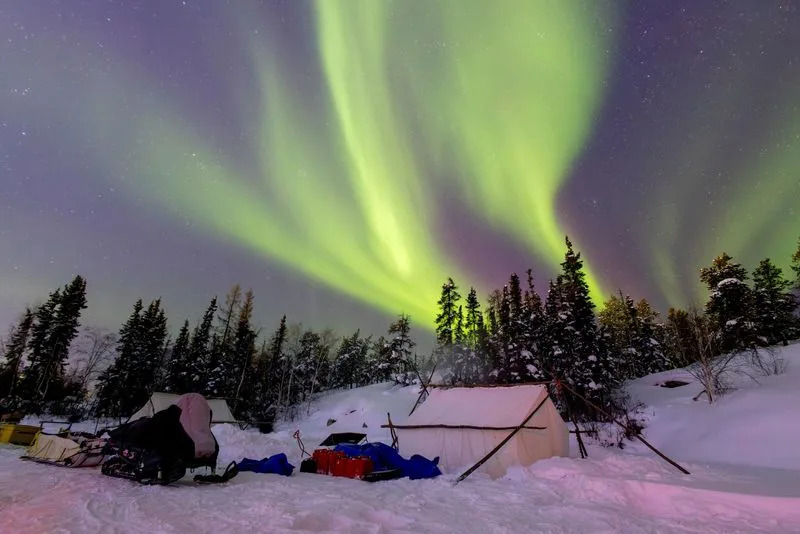
FILE PHOTO: A tent belonging to the 1st Canadian Ranger Patrol Group (1 CRPG) under aurora borealis as Canadian Armed Forces deploy to "Operation Nanook-Nunalivut," a yearly series of drills designed to highlight the military's ability to defend the Canadian Arctic, in Yellowknife, Northwest Territories, Canada February 18, 2026. REUTERS/Carlos Osorio/File Photo
Strategic Challenges
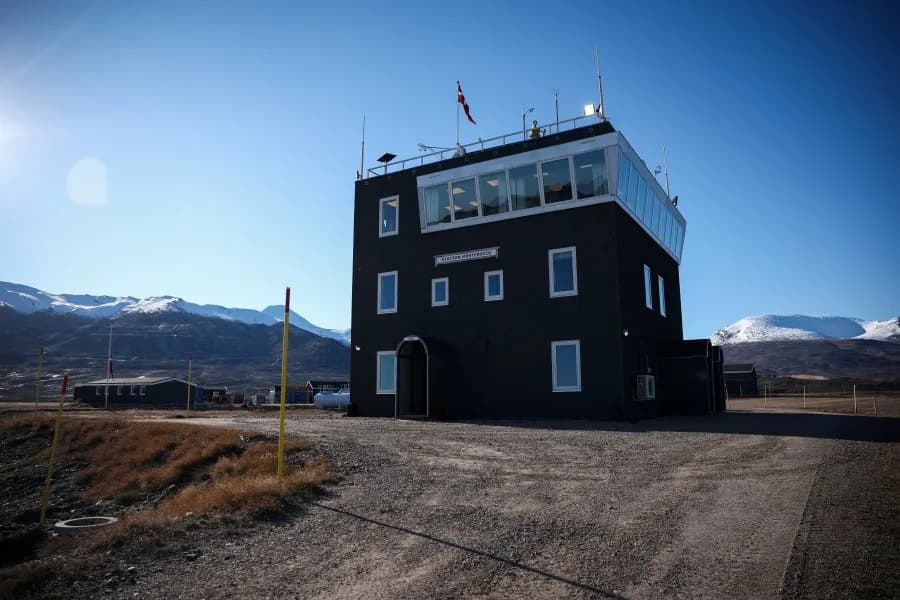
Analysts note the Canadian Arctic covers roughly 4 million square kilometres and more than 36,000 islands — an area neither Canada nor the United States can easily monitor alone. The North Warning System, a chain of 47 radar sites from Yukon to Labrador, is increasingly dated and limited against modern threats. The network is remotely monitored by NORAD and the Canadian military but is managed by Nasittuq under a C$592 million contract awarded in 2022; Nasittuq describes the system as "a legacy system."
On the water, Canada maintains a strong presence: it operates the world’s second-largest fleet of icebreakers after Russia and regularly escorts U.S. vessels into Arctic waters. Yet persistent gaps in surveillance, logistics and year-round infrastructure make full self-reliance unlikely in the near term.
"Canada and the U.S. need each other because there’s lots of gaps in the north," said Troy Bouffard, a former Arctic adviser, noting that Washington depends on Canadian monitoring and strategic positioning.
Geopolitical Context
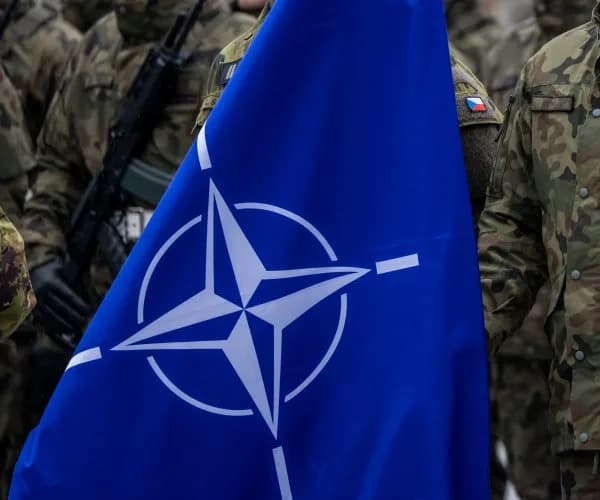
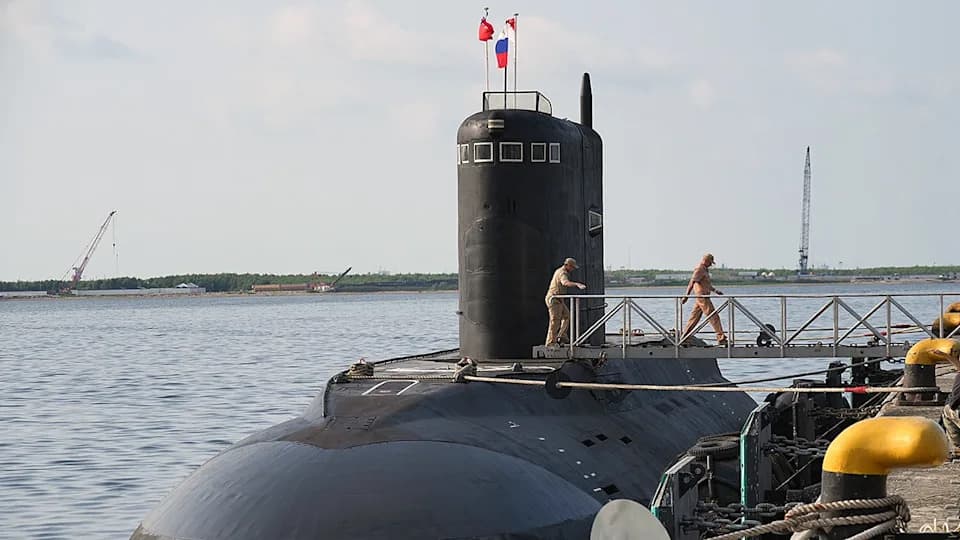
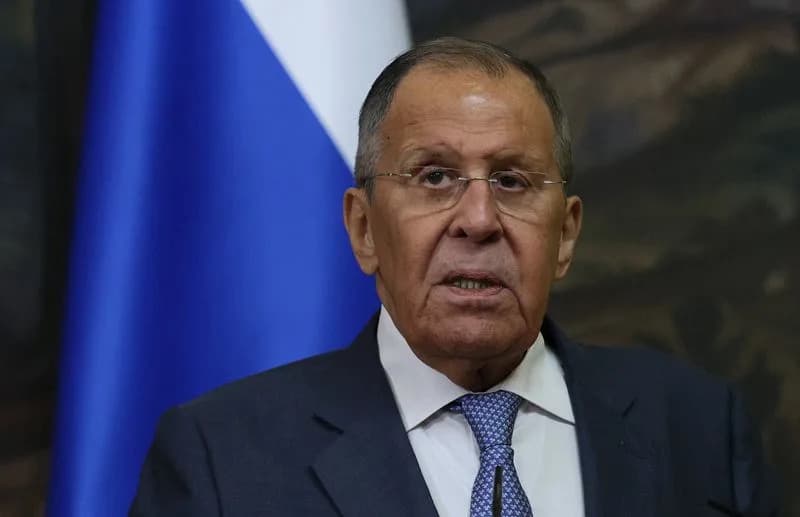
Heightened activity by Russia in the Arctic, closer military cooperation between China and Russia, and rising global tensions have driven renewed focus on northern defenses. Moscow asserts it seeks stability while accusing Western states of fuelling rivalry; Russian officials say they remain open to dialogue. Recent incidents, such as NORAD scrambling Canadian and U.S. fighters to intercept Russian aircraft near Canadian airspace, underline the proximity of strategic risks.
Although Canada has boosted defence spending to meet NATO’s 2% GDP guideline, military leaders acknowledge that effective Arctic defence will continue to require close North American and allied cooperation, sustained investment in radar and surveillance systems, and improvements to logistics and infrastructure.
Reporting by Maria Cheng; Editing by Caroline Stauffer and Claudia Parsons.
Help us improve.