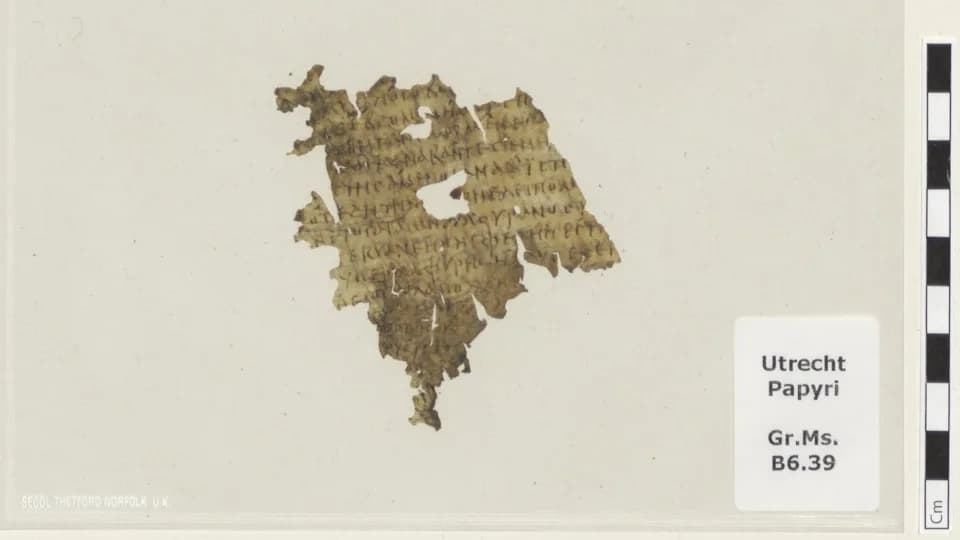
Archaeologists at Oxyrhynchus have found a papyrus copy of Homer's Iliad inside the abdomen of a Roman‑era mummy, the first known case of a Greek literary text used in mummification. The fragment, from Book II's Catalogue of Ships, was recovered during a November–December 2025 dig and dates to about 1,600 years ago. The discovery — made by the Institute of Ancient Near East Studies at the University of Barcelona — challenges the assumption that Greek papyri in mummies were exclusively magical, and it raises new questions about cultural and funerary practices in late‑antique Egypt.
Homer Inside a Mummy: Iliad Papyrus Found in Roman‑Era Egyptian Embalming — A First
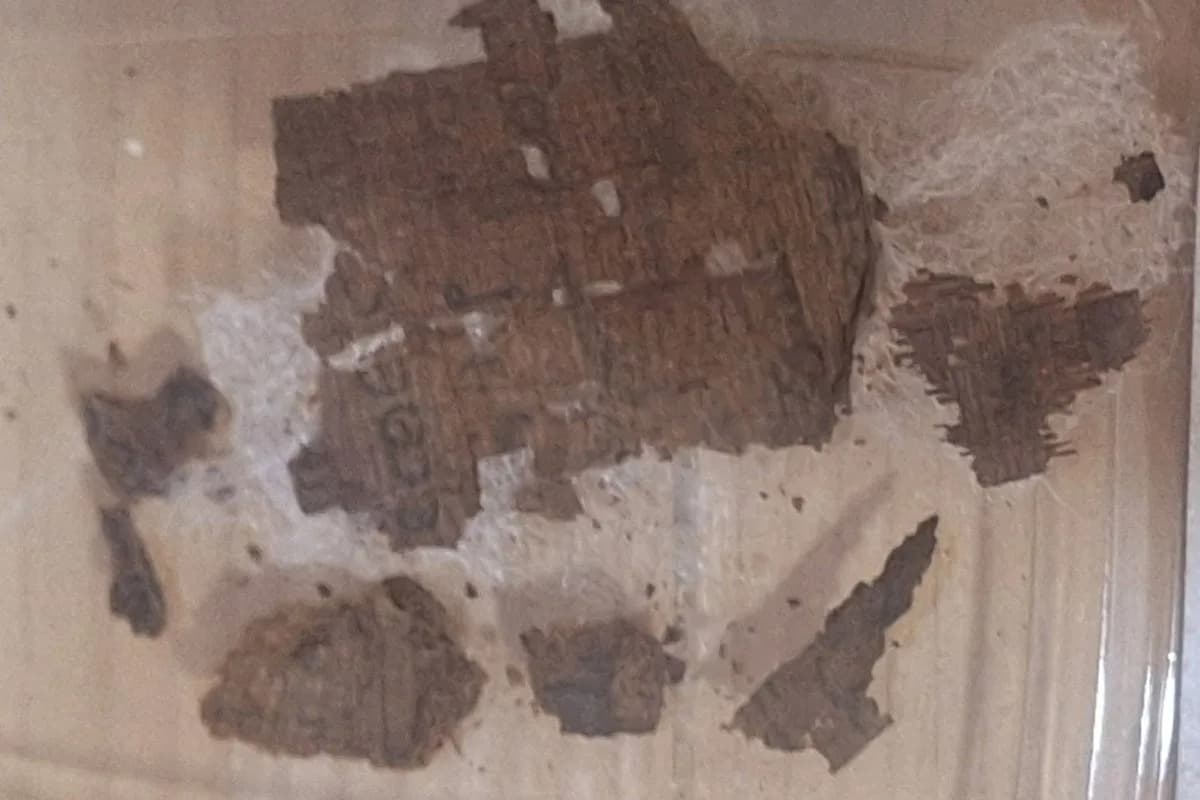
Archaeologists stunned to find copy of Homer’s Iliad inside ancient Egyptian mummy
Archaeologists have uncovered a papyrus copy of Homer's Iliad placed inside the abdomen of a Roman‑era Egyptian mummy — the first documented instance of a Greek literary text used as part of the mummification process. The fragment, thought to date to roughly 1,600 years ago, was discovered during a late‑2025 excavation at Oxyrhynchus.
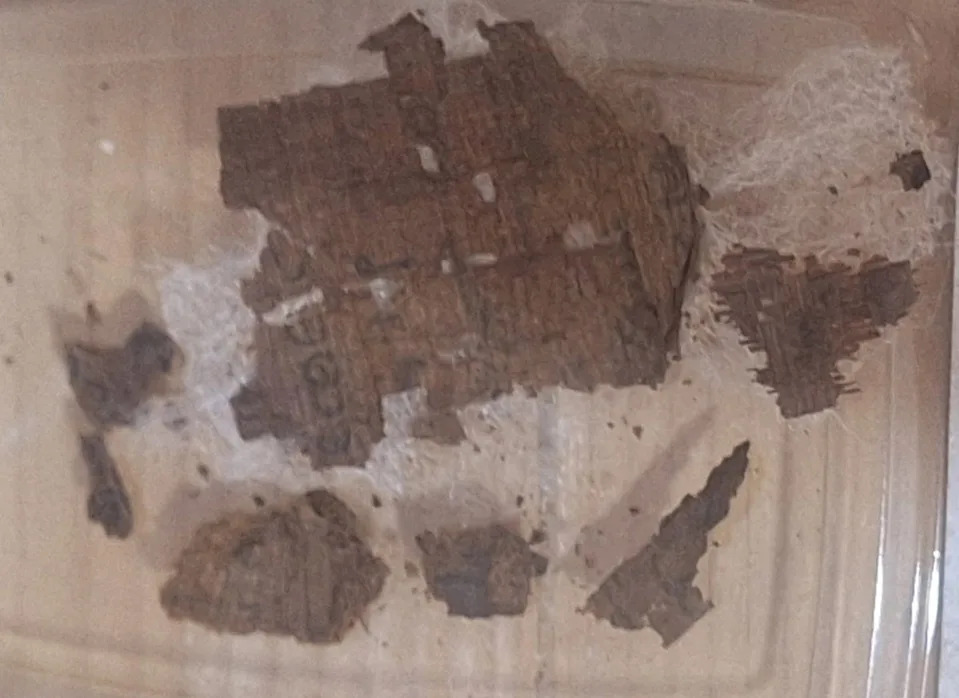
Papyrus containing Homer’s ‘Iliad’ inside the Roman-era mummy (University of Barcelona)
Details of the Discovery
The find was made by researchers from the Institute of Ancient Near East Studies at the University of Barcelona during a field campaign in November–December 2025. The papyrus was intentionally placed on the embalmed body’s abdomen and preserved inside the burial chamber of a Roman‑period tomb at Oxyrhynchus (ancient Per‑Medjed), the site beneath modern Al‑Bahnasa about 190 km south of Cairo beside the Bahr Yussef.
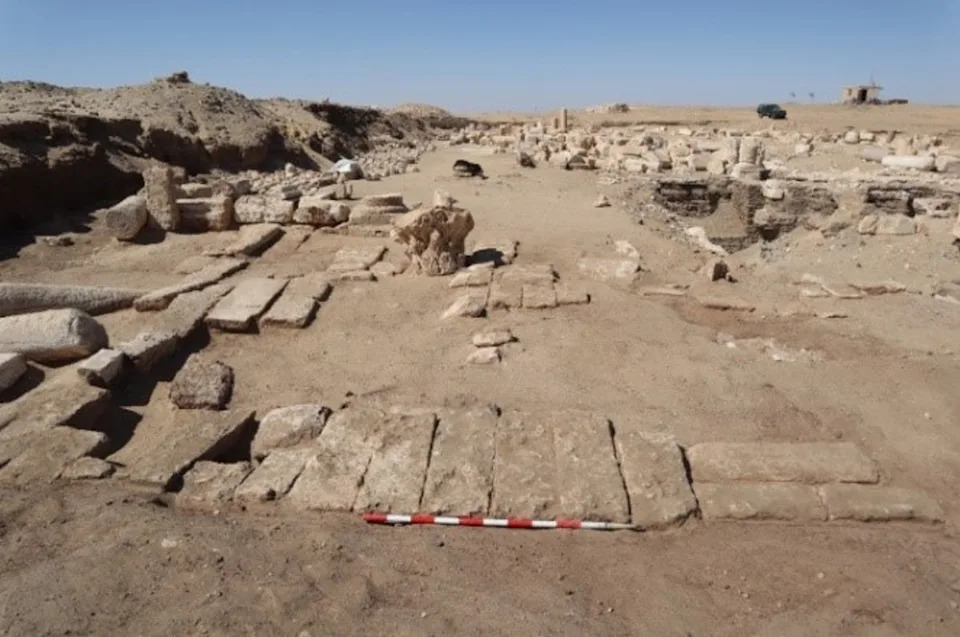
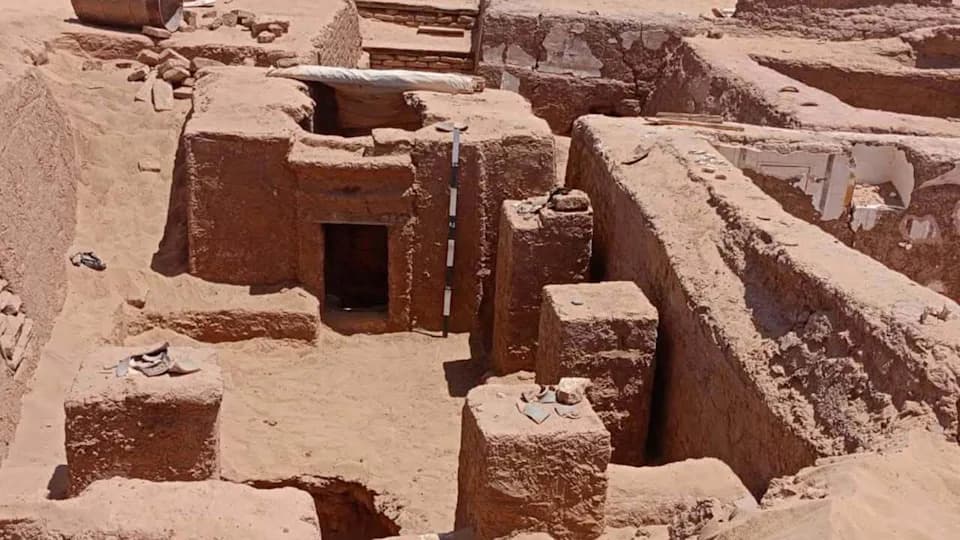
The archaeological site in Oxyrhynchus (University of Barcelona)
What the Text Contains
Conservators and philologists identified the fragment as part of the Catalogue of Ships in Book II of the Iliad — the famous passage that lists the Greek contingents assembled to sail to Troy. Until now, Greek papyri recovered from mummification contexts have been largely magical or ritual texts; this is the first confirmed literary example.
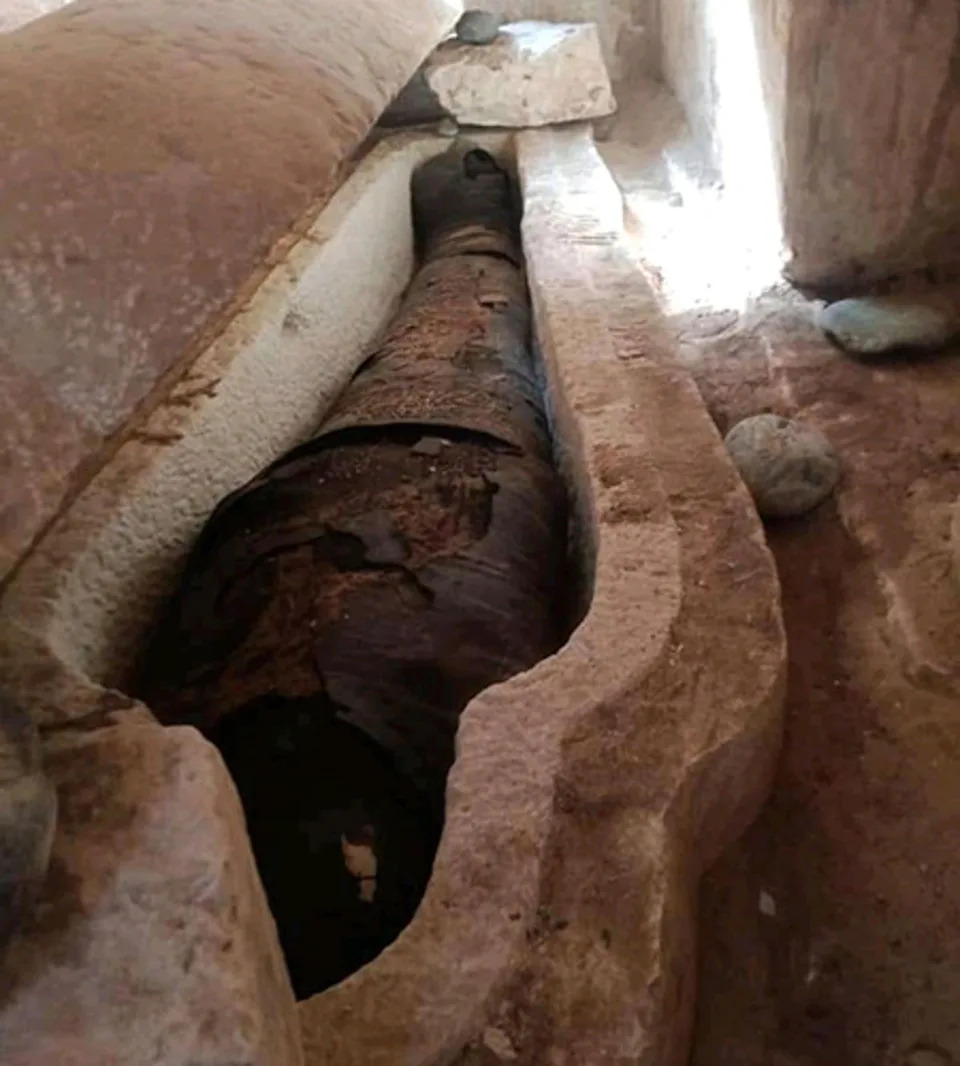
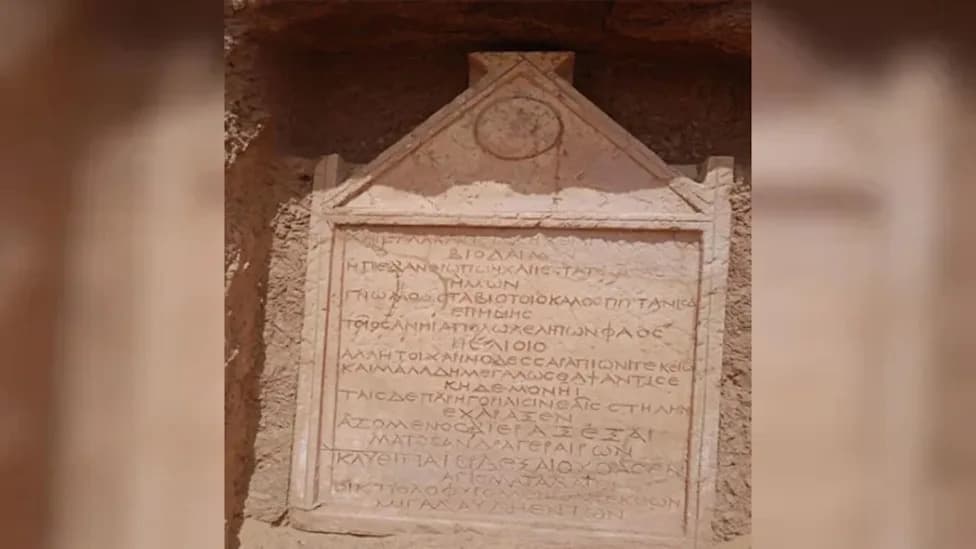
One of the tombs found at Oxyrhynchus (University of Barcelona)
Context and Significance
Roman‑era burial practices in Oxyrhynchus often blended Egyptian, Greek and Roman elements. Embalmers typically focused on preserving bodies for more than 40 days, using natron to dehydrate the corpse and then wrapping it in linen. Instead of the classical Pharaonic canopic jars, organs were sometimes removed or packed with materials and papyri — occasionally sealed with clay — and placed in body cavities.
"This is not the first time we have found Greek papyri, bundled, sealed, and incorporated into the mummification process, but until now, their content was mainly magical," said Ignasi‑Xavier Adiego, professor in the Department of Classical, Romance and Semitic Languages. "The real novelty is finding a literary papyrus in a funerary context."
Archaeological Context
Excavations at Oxyrhynchus so far have revealed multiple Roman‑era burial chambers containing mummies and decorated wooden sarcophagi. Earlier campaigns at the site also uncovered 52 Ptolemaic‑era mummies, more than a dozen of which bore so‑called "golden tongues," objects linked to afterlife preparations. The Iliad fragment raises new questions about cultural exchange and the symbolic roles Greek literature may have played in late‑antique Egyptian funerary rites.
Conservators are continuing to study the fragment to confirm its exact lines, dating, and whether the papyrus was a recycled manuscript reused specifically for burial or selected for its literary content. The discovery invites fresh research into the ways literature, ritual and identity intersected in multicultural Roman Egypt.
Help us improve.