President Trump issued memoranda directing an expansion of U.S. oil, coal and natural gas production, citing a 20 January 2025 national energy emergency and arguing that stronger domestic petroleum capacity is critical to "defense readiness." The memos invoke the Defense Production Act and instruct the energy secretary to use purchases, commitments and financial tools to accelerate projects. The move follows deregulatory steps, comes amid higher gasoline prices tied to Middle East tensions, and coincides with USDA forecasts of rising food costs in 2026.
Trump Directs Expansion Of U.S. Fossil-Fuel Production, Citing ‘Defense Readiness’
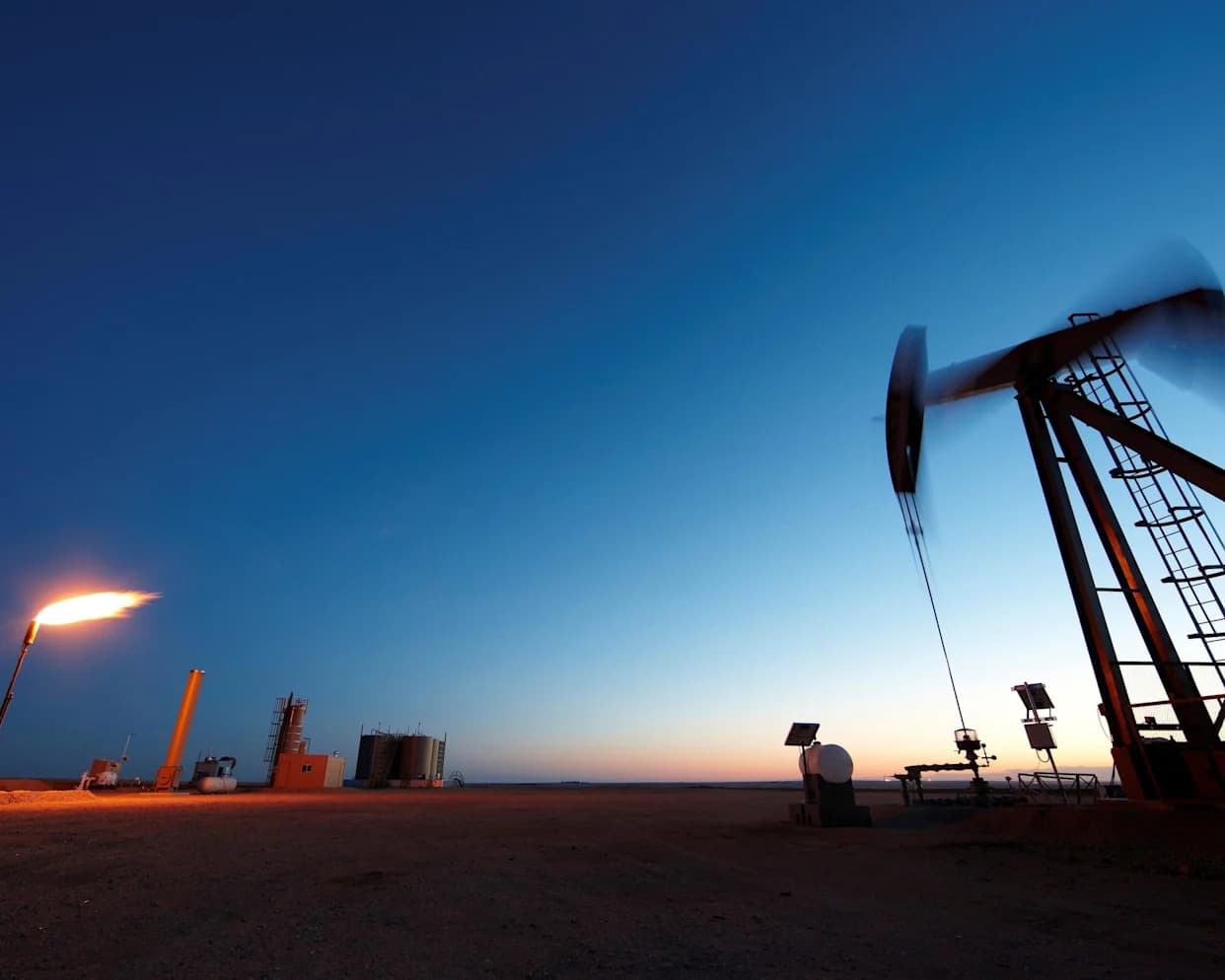
Trump has worked to bolster the US oil and gas industry since assuming the presidency for a second time.Photograph: RGB Ventures/SuperStock/Alamy(Photograph: RGB Ventures/SuperStock/Alamy)
President Donald Trump on Monday issued a series of memoranda directing a significant expansion of domestic oil, coal and natural gas production, framing the move as essential to “defense readiness.” The documents reference his 20 January 2025 executive order declaring a national energy emergency and instruct federal agencies to prioritize increased fossil-fuel output and related infrastructure.
One memorandum states that U.S.-based oil, coal and natural gas production must grow "to avert an industrial resource or critical technology item shortfall that would severely impair national defense capability." The memos argue the nation’s current energy supply is "inadequate and intermittent," leaving the United States vulnerable to hostile foreign actors and threatening national prosperity and security.
"Consistent with that declaration, I find that ensuring resilient domestic petroleum production, refining, and logistics capacity is central to United States defense readiness," one memo reads. "Petroleum fuels the Nation’s Armed Forces, industrial base, and crucial infrastructure. Without immediate Federal action, United States defense capabilities will remain vulnerable to disruption."
Trump directed the secretary of energy to implement his determinations, authorizing actions such as "making necessary purchases, commitments, and financial instruments to enable these projects." The memoranda invoke the Defense Production Act, a Cold War–era statute that gives the president authority to expand and expedite supplies from the domestic industrial base to support defense efforts, according to FEMA.
The memoranda come as part of a broader push by the administration to bolster the oil and gas sector. Since beginning his second term, Trump has rolled back vehicle-emissions standards, eased restrictions on petroleum development in Alaska, and lifted a pause on certain liquefied natural gas (LNG) export approvals that had been in place in early 2024. The oil and gas industry has been a major donor to his campaign, contributing more than $75 million.
Not all effects of expanded fossil-fuel production are domestic: a White House analysis released in December 2024 warned that expanded LNG exports could raise domestic LNG prices. The memoranda were issued amid elevated gasoline prices that rose after the United States and Israel entered into a confrontation with Iran—market turmoil that was exacerbated when the U.S. seized an Iranian vessel—disrupting oil markets and supply chains for petroleum-dependent industries such as fertilizer.
Rising fuel costs could present political challenges for the administration, which has emphasized affordability in its populist messaging. The measures also arrive as broader living expenses climb: the U.S. Department of Agriculture (USDA) projects overall food prices will increase 3.6% in 2026, with food-at-home costs up 3.1% and food-away-from-home up 3.9%—both higher than the 20-year historical average for food-price inflation.
What’s next: The energy department and other agencies will reportedly evaluate projects and potential purchases under the Defense Production Act. Congressional oversight and legal challenges are likely to follow, and any material change to domestic fuel supplies or export policy could affect consumer prices, industry investment and international energy markets.
Help us improve.