
Ahmad Vahidi has been named commander of Iran’s IRGC and is widely described by analysts as a powerful hardliner whose views could shape Tehran’s approach to war or diplomacy. He led the Quds Force in the 1990s and has been linked by prosecutors and governments to several deadly attacks, including the 1994 AMIA bombing in Buenos Aires. Vahidi is subject to U.S. and EU sanctions, and experts warn his appointment may increase the likelihood of continued confrontation or the use of pauses to regroup.
Ahmad Vahidi: Iran’s New IRGC Chief, Alleged Links To Past Attacks And A Hardline Agenda
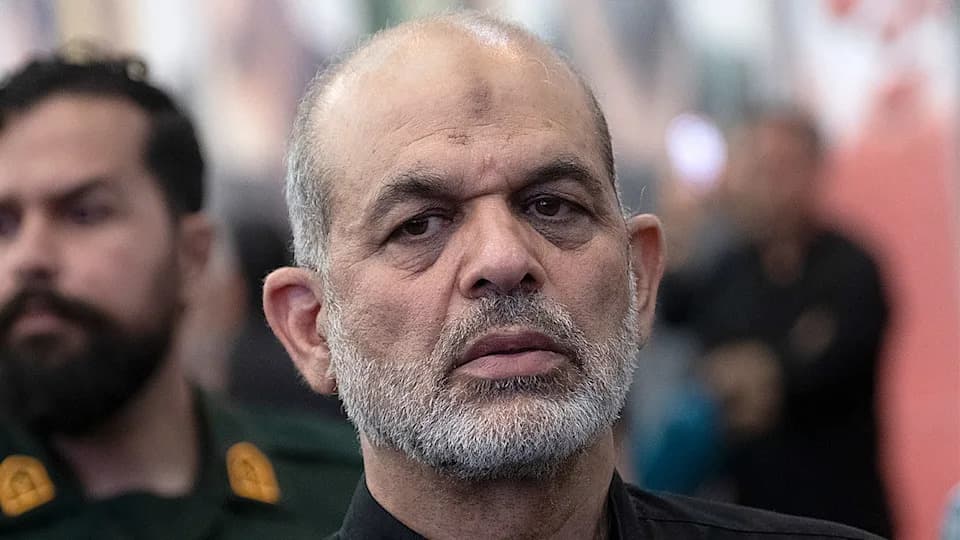
Ahmad Vahidi, recently elevated to the top of the Islamic Revolutionary Guard Corps, the elite paramilitary force within Iran’s military, is emerging as one of the most powerful men in Iran.(Getty Images)
Ahmad Vahidi, recently appointed commander of Iran’s Islamic Revolutionary Guard Corps (IRGC), is emerging as a central—and controversial—figure in Tehran’s decision-making amid international tensions. Analysts warn his elevation could push Iran toward a more militant posture and make a lasting ceasefire less likely.
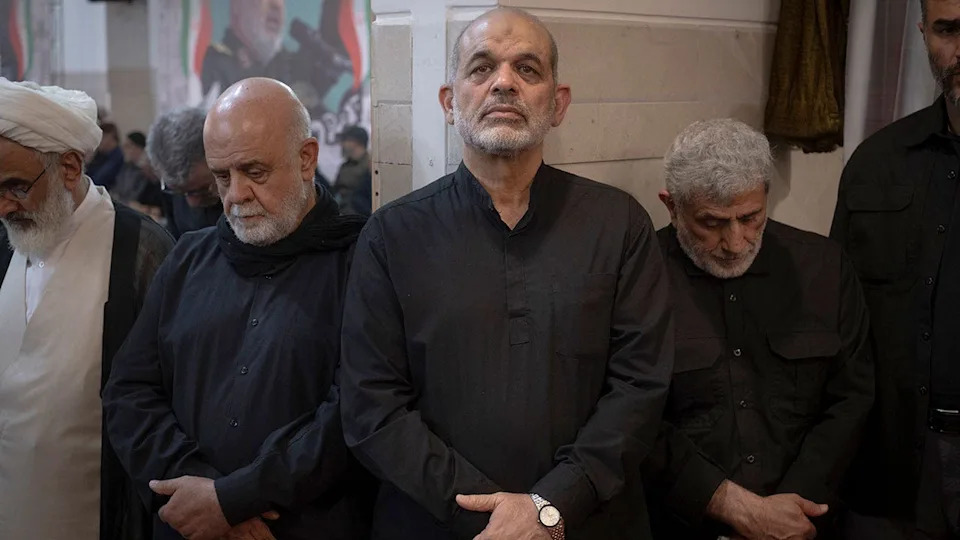
Long before the world knew the name Qassem Soleimani, Vahidi was one of the men who helped build the infrastructure of Iran’s overseas terror operations.
Background and Rise
Vahidi is a longtime Revolutionary Guard officer who led the Quds Force, the IRGC’s external operations arm, in the 1990s (1988–1998). Analysts say he helped build Iran’s overseas networks, particularly ties with militant groups in Lebanon. Observers describe Iran’s current political system as one where informal networks and the Revolutionary Guard increasingly shape policy, elevating figures like Vahidi into positions of broad influence.
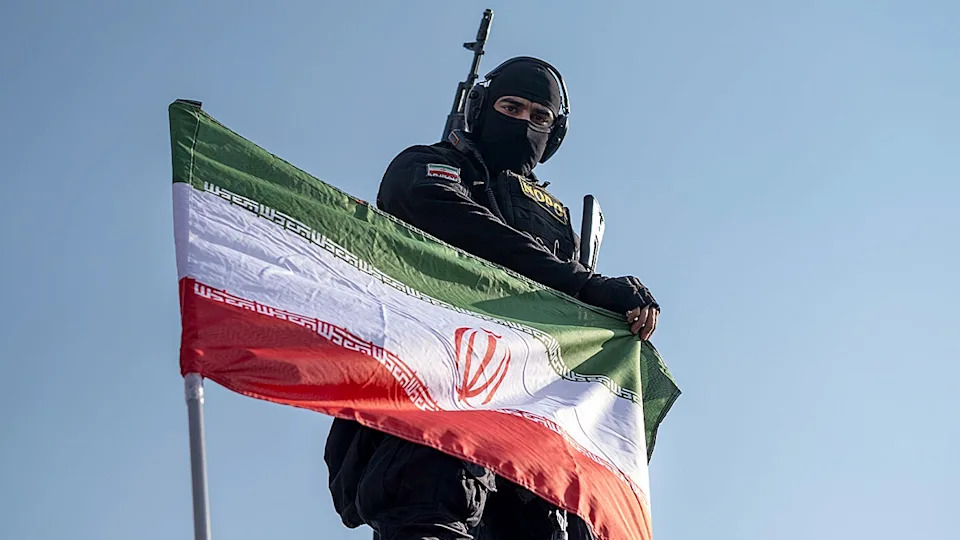
Iran Supreme Leader Ayatollah Mojtaba Khamenei receives protection from elite NOPO force following his father's assassination in U.S.-Israel attack on Tehran compound Feb. 28.
Allegations and International Links
Western governments, prosecutors and analysts have linked Vahidi to a number of deadly attacks carried out by Iran‑backed networks over the past decades. He has been named by investigators in connection with the 1994 AMIA bombing in Buenos Aires and has been associated in reporting and official statements with other high-profile attacks attributed to Iran‑linked actors. Interpol has issued a red notice related to the AMIA case.
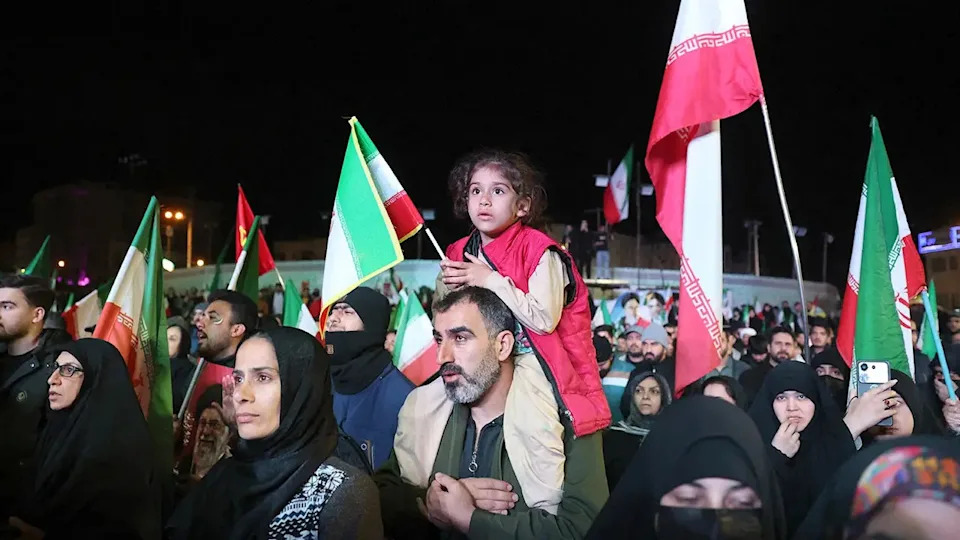
Iranians react after a ceasefire announcement at the Enqelab square, in Tehran, Iran, April 8, 2026.
"By any standard, Vahidi is considered a radical even within the regime’s hardline elite," said Lisa Daftari, a foreign policy analyst.
Sanctions and Human Rights Allegations
Vahidi faces sanctions from the United States and the European Union that restrict his international travel and financial activity. The EU first sanctioned him in 2008; the U.S. imposed measures in 2010 and redesignated him in 2022 under Executive Order 13553. U.S. authorities cited his role as interior minister during the nationwide protests after Mahsa Amini’s death, alleging responsibility for serious human rights abuses, including internet shutdowns and directing law-enforcement operations.
Why His Appointment Matters
Experts warn that Vahidi’s promotion could harden Tehran’s posture. Some analysts argue the IRGC has institutional incentives to continue confrontations that expand its influence—raising concerns that Vahidi might see a temporary ceasefire as an opportunity to regroup rather than to pursue a negotiated peace.
Argentina’s recent designation of the IRGC as a terrorist organization spotlighted Vahidi by name and reiterated that international legal measures and red notices remain active for several Iranian officials. Iran’s mission to the United Nations declined to comment for this report.
Note on terminology: Many of the links and accusations described here are based on government statements, prosecutor findings, and media reporting. Some remain allegations and have been disputed by Iranian authorities.
Help us improve.





















