Hasan Piker — a popular left-wing Twitch streamer — has become a polarizing force within the Democratic Party. His outspoken criticism of Israel and establishment liberalism energizes younger progressives but also gives Republicans fodder to attack Democrats and risks alienating independents and moderates. The resulting intra-party split could depress turnout and complicate Democratic hopes in the midterms and beyond.
How Hasan Piker’s Rise Is Splitting the Democratic Party Ahead of the Midterms
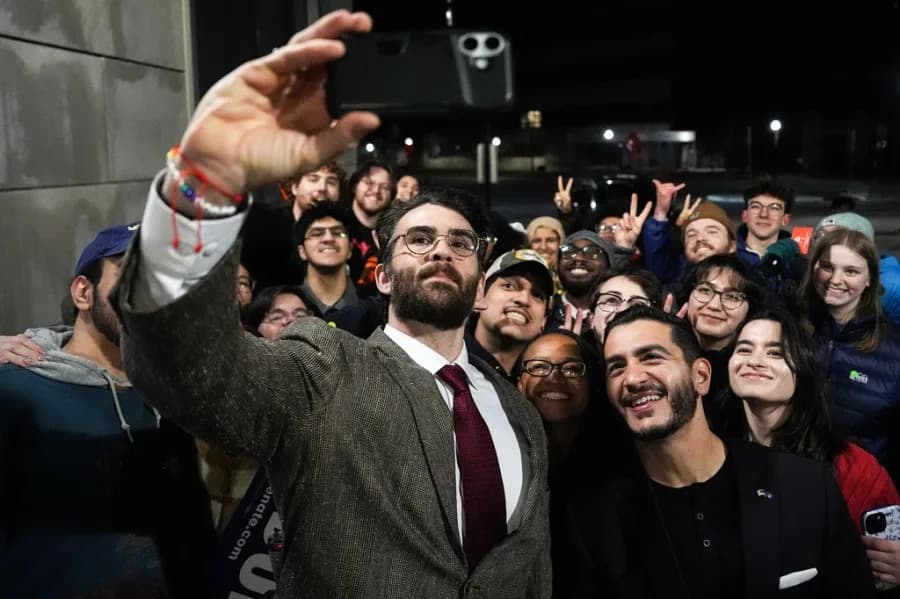
Democrats have long wanted influential social media voices capable of reaching younger voters with progressive messages. But the rise of Hasan Piker — a left-wing Twitch streamer with millions of viewers — shows how a single polarizing influencer can energize a base while exposing deep divisions that may hurt the party at the ballot box.
Piker built his audience with an uncensored, combative style that channels frustration with establishment liberalism. He has become a prominent voice for younger progressives who demand stronger action on affordability, more vigorous challenges to President Trump’s foreign policy, and sharper criticism of Israel’s conduct in Gaza.
Those issues — foreign policy toward Israel and Iran, and domestic economic pain — are likely to shape Democratic politics through the midterms and into the 2028 presidential contest. Piker discusses them frequently, with a particular emphasis on criticizing Israel, which has intensified controversy around him.
Republicans have seized on Piker’s statements and style. Clips of moderates distancing themselves from him are already circulating in GOP media, portraying Democrats who won’t explicitly repudiate Piker as soft on extremism. Piker has described himself as a Marxist and has made remarks — including calling the Oct. 7, 2023 Hamas attack a "consequence" of Israeli policies and criticizing U.S. policy in the context of Sept. 11 — that many find deeply offensive and politically combustible.
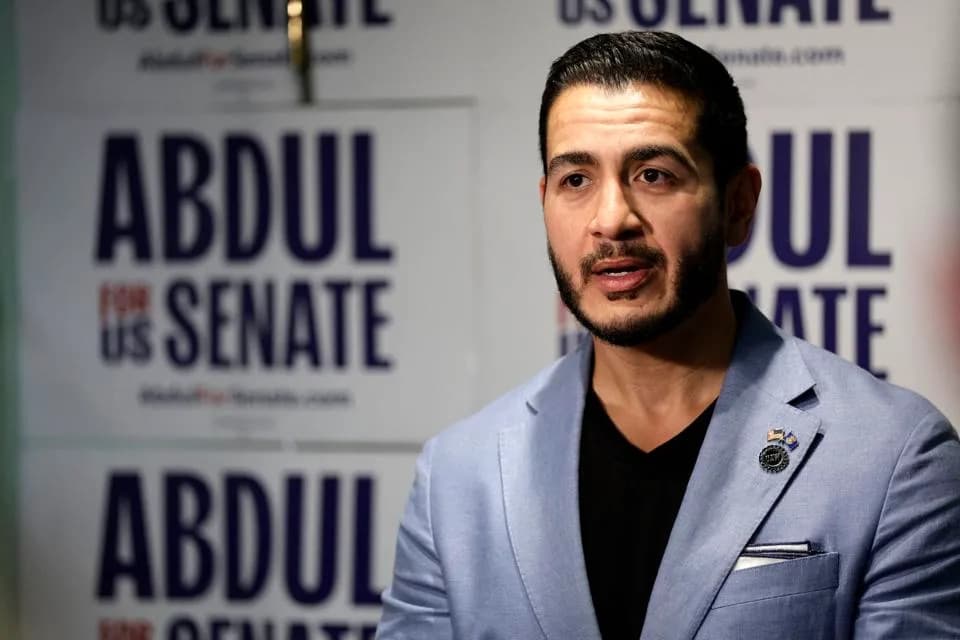
The debate is playing out in Democratic primaries. Piker endorsed Dr. Abdul El-Sayed in Michigan, prompting rival Mallory McMorrow to ask El-Sayed to disavow that support. Progressive figures aligned with this insurgent tone, such as Rep. Ro Khanna and Zohran Mamdani, have appeared with Piker; others, including Sens. Cory Booker and Ruben Gallego, have declined.
Moderate groups and operatives warn that Piker’s statements give Republicans easy talking points. Third Way figures have been especially blunt, arguing that expressions of antisemitism or praise for extremist groups have no place in the party and could be weaponized against Democrats in competitive districts.
There are electoral risks. A public and prolonged intra-party fight over Israel and Middle East policy — or over whether to embrace insurgent media personalities — could dampen turnout, alienate independents and moderates, and complicate messaging in tight midterms where every vote matters.
At the same time, Piker’s prominence highlights broader tensions in the Democratic coalition: the push for more confrontational, anti-establishment politics by younger progressives versus the party’s need to assemble a broad, competitive electorate. That tension will shape who the party elevates, which candidates gain traction, and how Democrats approach foreign- and domestic-policy debates ahead of 2028.
Juan Williams is a senior political analyst for Fox News Channel and the author of "New Prize for These Eyes: The Rise of America’s Second Civil Rights Movement."
Copyright 2026 Nexstar Media, Inc. All rights reserved.
Help us improve.